UK Warns Russia Over Arctic Militarisation as NATO Bolsters Defences
UK issues Arctic warning to Russia amid NATO security push

Britain has issued a stark warning to Russia as tensions escalate over control of the rapidly changing Arctic region, with the Foreign Secretary declaring it a critical new frontier for NATO.

Cooper Calls for Stronger Arctic Defences

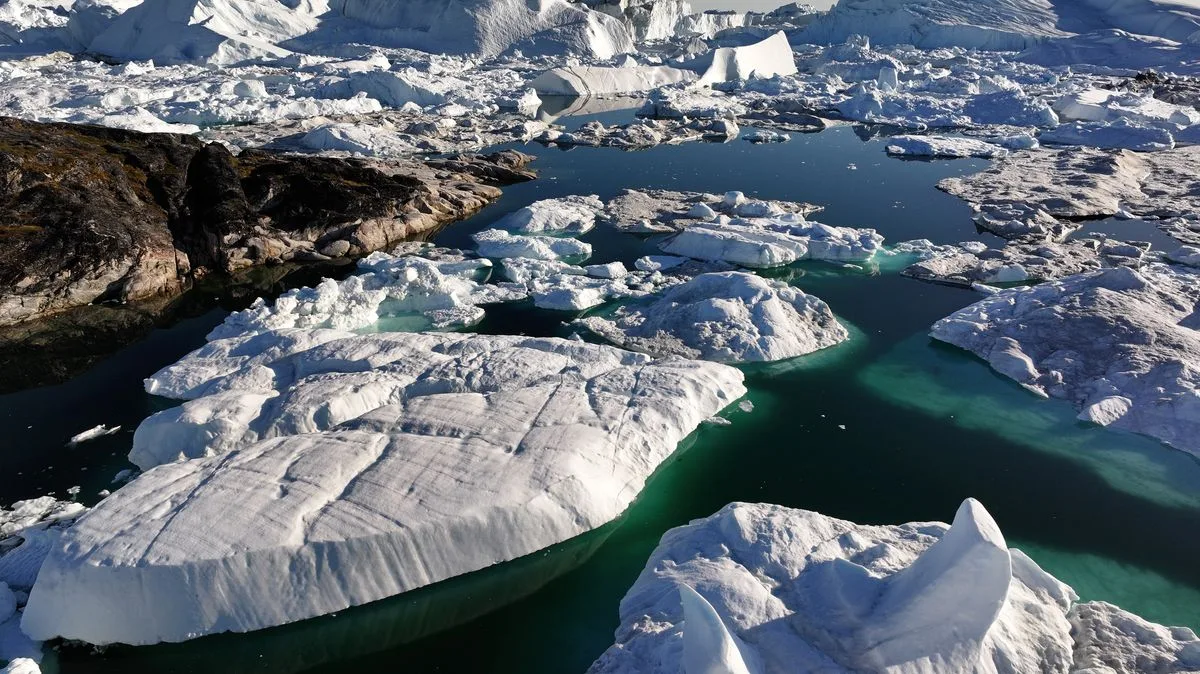
Foreign Secretary Yvette Cooper stated that the UK and its allies must significantly enhance their military and security posture in the High North. She emphasised that the icy region is transforming into a vital strategic zone for the alliance, a shift driven primarily by climate change.

Warming temperatures are unlocking new shipping lanes and exposing previously inaccessible natural resources, triggering an intense power struggle. "With our allies we are working to strengthen Arctic defences and deter any attempts from the likes of Vladimir Putin to threaten our interests and our infrastructure," Ms Cooper said.

Russia's Shadow Fleet and Regional Militarisation

The Foreign Secretary highlighted specific threats, pointing to Russia's concerted efforts to militarise the Arctic. Moscow is also exploiting the region as a corridor for its so-called 'shadow fleet' of ageing tankers, used to circumvent international sanctions on its oil and gas exports.

This activity underscores the heightened stakes. Just last week, the UK provided direct support to the US Coastguard in the seizure of the Bella 1 tanker off the British coast, a clear signal of allied resolve against sanctions evasion.

Diplomatic Mission Amid Trump's Greenland Threats

Ms Cooper's warnings come during a diplomatic visit to Finland and Norway on 14 January 2026. The trip follows a recent spike in tensions after former US President Donald Trump threatened to take control of Greenland to bolster American security.

During her tour, the Foreign Secretary is meeting Finnish border guards defending NATO's eastern flank with Russia. She will then travel to Norway to visit Royal Marines at Camp Viking, the UK's year-round Arctic operations hub. There, she will observe a live training demonstration at the base, which provides essential cold-weather training for up to 1500 British commandos.

A Unified NATO Response

Ms Cooper framed Arctic security as a fundamental transatlantic issue. "Arctic security is a critical transatlantic partnership issue for the security of Britain and NATO," she asserted. "Coming together as an alliance allows us to unify and tackle this emerging threat."

She concluded by framing the challenge as a duty, stating: "We see it as our responsibility and our duty to tackle these challenges head on, making us all safer in the process." The UK's message is clear: as the ice recedes, NATO's vigilance and collective defence must advance.




