US President Donald Trump has declared that a peace agreement to end the war in Ukraine is now "closer than we have been ever" following extensive diplomatic discussions. The announcement came after the president held a "long talk" with Ukrainian leader Volodymyr Zelensky and communicated directly with Russia's Vladimir Putin.
Unprecedented Security Guarantees on the Table
In a significant development from peace talks held in Berlin, US envoys have proposed offering Kyiv NATO-style security guarantees, akin to the alliance's Article 5 mutual defence clause. A senior US official stated that President Trump believes he can persuade Moscow to accept this arrangement, which would provide Ukraine with robust, long-term security assurances without formal NATO membership.
European leaders, including German Chancellor Friedrich Merz, have welcomed the US commitment to support a European-led "multinational force" inside Ukraine. This force would be tasked with operating within the country, assisting in rebuilding its military, securing airspace, and safeguarding maritime routes.

Zelensky's Stance: Diplomacy First, Then Arms
President Zelensky struck a cautious but firm tone, indicating that while Ukraine supports the current diplomatic efforts—including a potential Christmas ceasefire—it is prepared to escalate its demands if Russia rejects the peace initiative. "Ukraine will ask the US for more sanctions pressure on Russia and additional weapons, including long-range", he stated via a WhatsApp chat with reporters.
He acknowledged that the issue of territorial concessions, particularly regarding the eastern Donetsk region, remains a "painful" topic where positions differ. However, he expressed hope that US mediators could help find a compromise.
Ongoing Negotiations and British Warnings
Working groups are expected to continue discussions in the United States this coming weekend, with Miami a possible venue. One US official emphasised readiness, stating, "Are we prepared to go to Russia if needed? Absolutely."
Amidst the diplomatic flurry, the head of the British armed forces, Sir Richard Knighton, issued a stark warning about the persistent Russian threat. He called for a society-wide approach to defence, urging that the UK's "sons and daughters" must be prepared to fight if necessary, describing the current global situation as "more dangerous than I have known during my career."
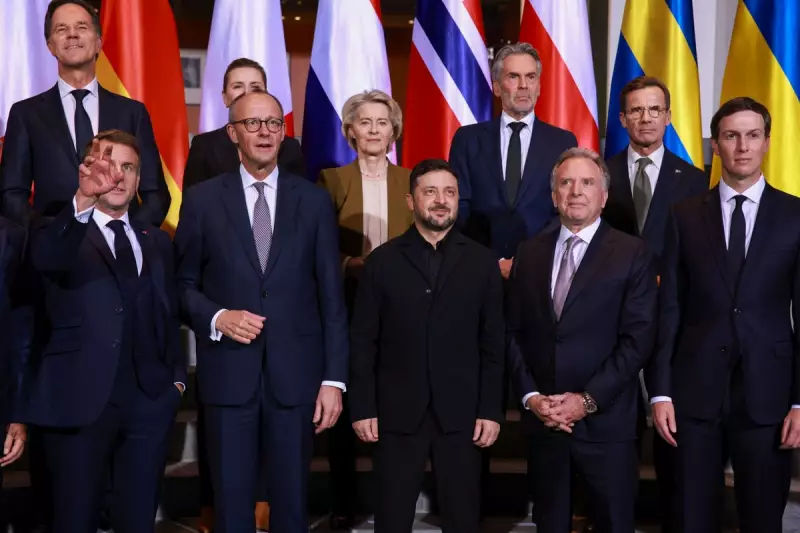
The talks in Berlin, which involved US negotiators Steve Witkoff and Jared Kushner dining with European leaders, have injected a note of cautious optimism into efforts to end Europe's deadliest conflict since the Second World War. However, with Moscow yet to formally agree to any proposed terms and critical details on borders unresolved, the path to a lasting peace remains fraught with challenge.