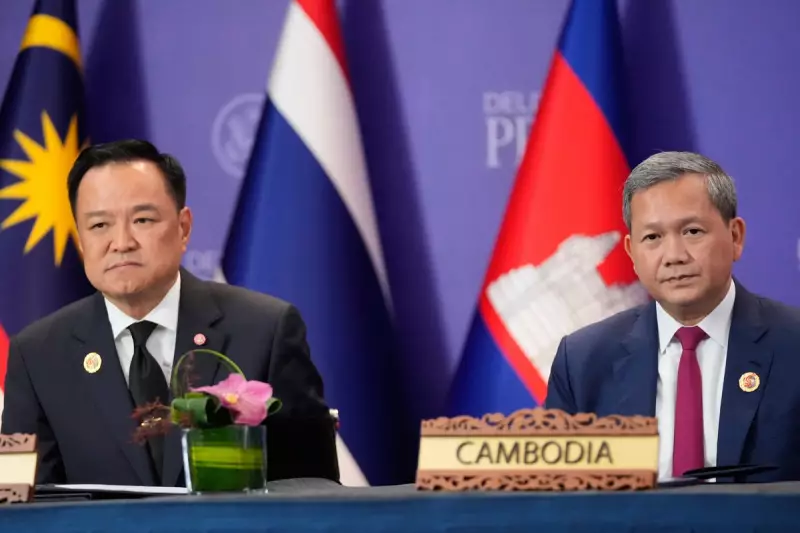
Military aircraft have been deployed by Thailand in a significant escalation of hostilities along its contested frontier with Cambodia, shattering a fragile ceasefire brokered only months ago. The incident on Monday, 8th December 2025, has seen both neighbouring nations trade accusations over which side initiated the attack, plunging the region back into uncertainty.
Accusations Fly as Ceasefire Collapses
The latest violence marks a dramatic rupture of the truce agreement signed in October. That deal was pushed by former US President Donald Trump following five days of intense combat in July, which resulted in dozens of military and civilian casualties. Tensions had been simmering since, particularly after Thai troops were injured by land mines last month, with both sides blaming each other for the devices.
Thai army spokesperson, Major General Winthai Suvaree, stated that Cambodian forces initiated the conflict by firing into Thai territory in multiple locations. He reported that one Thai soldier was killed and four others wounded, prompting the evacuation of civilians from affected areas. In response, Thailand utilised aircraft to strike what it described as military targets to suppress Cambodian supporting fire.

Cambodia's Response and Call for Restraint
Cambodia has presented a starkly different account of Monday's events. Defence Ministry spokesperson Maly Socheata asserted that Thai military units attacked first and claimed Cambodia did not retaliate during the initial assaults. She issued a firm call for de-escalation, urging Thailand to "immediately stop all hostile activities that threaten peace and stability in the region."
The discord extends to the ongoing issue of land mine clearance. Despite a supposed cooperative effort to remove explosives from the border area following the July conflict, the recent injuries have led to a fresh round of mutual recriminations over responsibility.
Broader Implications for Regional Stability
This resurgence of fighting undoes the diplomatic progress championed by Donald Trump, who in mid-November claimed credit for having stopped a war between the two Southeast Asian nations. The use of air power represents a serious intensification from the earlier ground-based clashes and poses a heightened risk of a broader, more protracted conflict.
The situation leaves the US-brokered ceasefire in tatters and raises urgent questions about the viability of the October agreement. With both governments entrenched in their positions and the mechanism for peace apparently broken, the path back to dialogue appears fraught with difficulty. International observers are likely to watch closely for any external mediation efforts to prevent further loss of life along the disputed border.