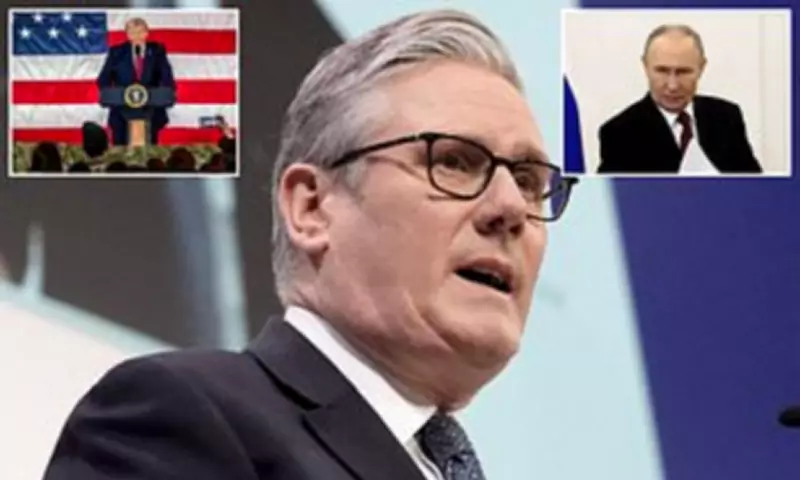
Prime Minister Keir Starmer is in a frantic scramble to find methods to push up defence spending at a faster pace, driven by the looming Russian threat and mounting pressure from former US President Donald Trump. The premier has already committed to expenditure reaching 2.7 per cent of GDP by 2027, with an 'ambition' to achieve 3 per cent in the 2030s. However, aides in Downing Street are now reportedly eager to meet this higher target much earlier, potentially before the next general election.
Financial Challenges and Political Pressures
Meeting the estimated costs of £14 billion per year presents a significant hurdle, especially after Labour MPs blocked efforts to reduce the spiralling benefits bill. Starmer is also under intense pressure to allocate more funds to public sector services and wages, having narrowly survived a coup attempt just last week. This dual pressure creates a complex financial landscape for the government.
International Signals and Strategic Discussions
At the Munich Security Conference over the weekend, Sir Keir signalled a strong defence drive, telling fellow leaders: 'To meet the wider threat, it's clear that we are going to have to spend more, faster.' This statement underscores the urgency felt in response to global security concerns. According to the BBC, the Prime Minister and his advisers discussed how to accelerate spending increases earlier this month, as part of efforts to address a substantial £28 billion budget gap over the next four years, which has been delaying the Defence Investment Plan.

Treasury Caution and Budgetary Constraints
The Treasury, led by Chancellor Rachel Reeves, is reportedly 'cautious' about the move, as she already faces challenges in balancing the books. This caution highlights the tension between national security needs and fiscal responsibility. Sir Keir has been attempting to defuse tensions with Mr Trump over NATO and Greenland by emphasising these spending commitments, aiming to reassure international allies.
Internal Defence Concerns and Funding Shortfalls
Questions have been raised about whether Britain is investing sufficiently in defence, particularly as the US shifts its focus to the Pacific and threats intensify globally. Air Chief Marshal Sir Richard Knighton, the head of the UK's armed forces, is believed to have informed Sir Keir of a major funding shortfall for the next four years before Christmas. Chancellor Rachel Reeves and Defence Secretary John Healey were also present at this meeting, where they learned about the £28 billion shortfall projected by 2030.
Unhappiness Over Strategic Defence Review
Sir Keir was said to be deeply unhappy because the strategic defence review (SDR) was meant to have been 'fully costed'. Factors contributing to the shortfall include higher inflation, pay rises for troops, and the escalating costs of maintaining the nuclear deterrent. Vladimir Putin's latest invasion of Ukraine has further concentrated minds across Europe on the necessity of robust defence spending, adding to the urgency of Starmer's efforts.
In summary, the Prime Minister is navigating a delicate balance between accelerating defence spending to meet international threats and pressures, while managing domestic financial constraints and political challenges. The outcome of this scramble could have significant implications for the UK's security posture and economic stability in the coming years.