
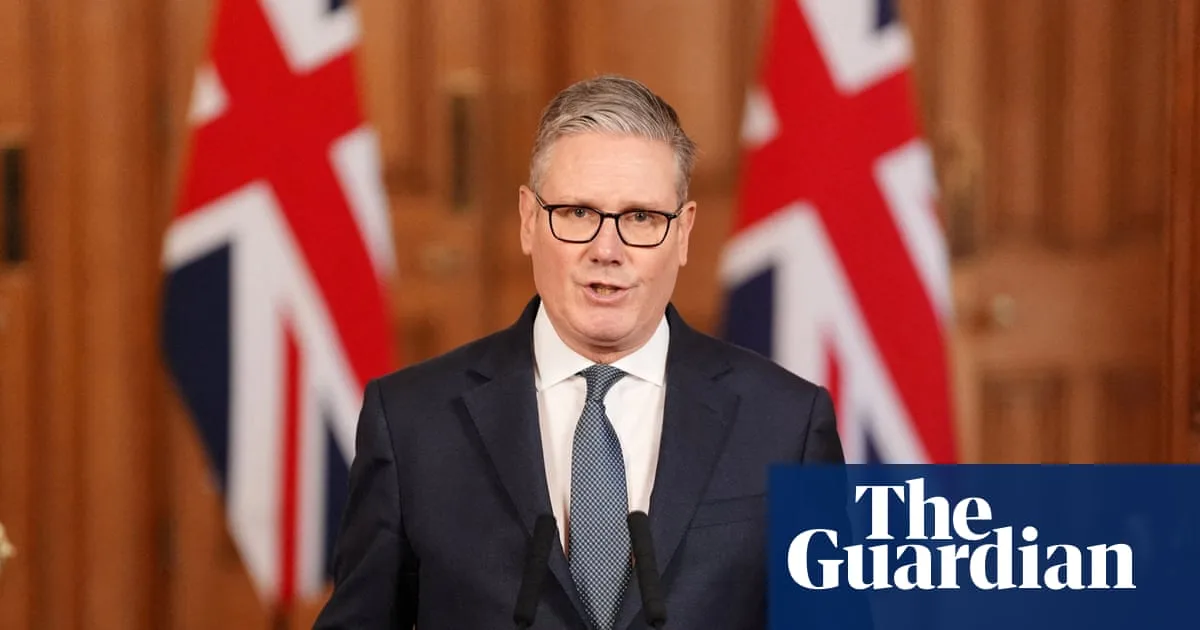
Prime Minister Keir Starmer has confirmed that the UK will permit the United States to use British military bases for defensive strikes against Iranian missile sites. In a recorded statement on Sunday evening, Starmer said the decision was driven by Iran's increasingly reckless behaviour, which he warned was putting British lives at risk. He noted that 200,000 British nationals reside in Middle Eastern countries targeted by Iran.
Starmer emphasised that the UK has not been involved in US-Israeli strikes on Iran, but argued that destroying missiles at their source is the only way to stop the threat. The US requested permission to use British bases for this specific and limited defensive purpose, and the UK accepted. British jets are reportedly in the air as part of coordinated defensive operations that have already intercepted Iranian strikes.
Hours after Starmer's announcement, the UK's Akrotiri air force base in Cyprus was hit by a suspected drone, causing only minor damage and no casualties. The Ministry of Defence confirmed that force protection in the region is at the highest level and that the base responded to defend personnel. Defence experts described the incident as a possible Iranian one-way drone attack.
The government released a summary of its legal position, stating that the UK is acting in the collective self-defence of regional allies who have requested support. However, the decision has sparked controversy. Liberal Democrat leader Ed Davey demanded a parliamentary vote, warning against being dragged into another prolonged war. Labour MP Emily Thornberry described the US action as a breach of international law, while Green Party leader Zack Polanski called it an illegal and unprovoked attack.
In a joint statement with France and Germany, the UK said it would take steps to defend its interests and those of its allies, potentially through enabling necessary and proportionate defensive action. The UK government has declined to explicitly support or condemn the US strikes, which reportedly killed about 48 Iranian leaders, including Supreme Leader Ali Khamenei. Defence Secretary John Healey said few would mourn Khamenei's death, describing the Iranian regime as a source of evil.




