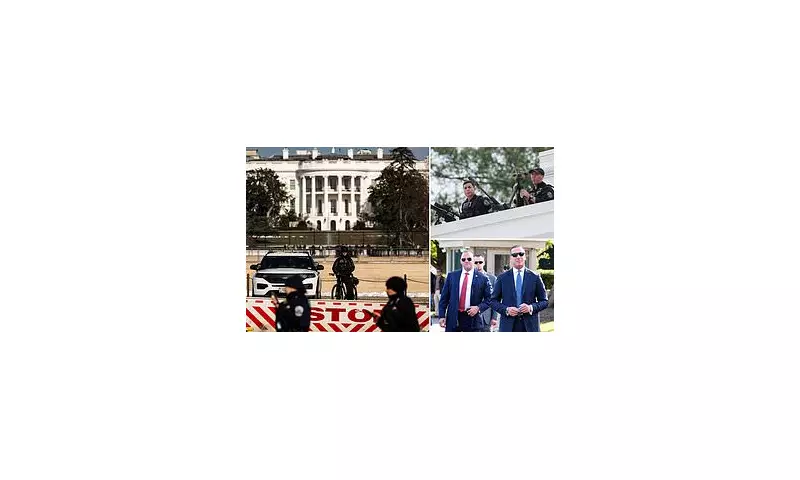
The United States Secret Service is preparing for what insiders are privately calling an 'Armageddon' summer in 2028, prompting plans for the largest expansion in the agency's history. A perfect storm of security demands, including a high-stakes presidential election and the first US-hosted Summer Olympics in over three decades, is forcing a drastic recruitment campaign.
A Historic Expansion Amid Unprecedented Demands
The agency aims to grow its ranks by approximately 4,000 personnel ahead of 2028, a surge that would increase its total workforce to over 10,000 employees for the first time. This represents an expansion of about 20 percent. According to a report in the Washington Post, Deputy Director Matthew Quinn has devised a plan to boost the number of special agents from roughly 3,500 to around 5,000. An additional 2,000 officers are slated for the Uniformed Division.
The security landscape for that year is exceptionally complex. President Donald Trump will still be in office and, because he is term-limited, both Democratic and Republican presidential nominees, their running mates, and families will require protection. Compounding this, Los Angeles will host the Summer Olympics in 2028, marking the first time the United States has staged the games since 1996.

Recruitment Challenges and a Relentless Grind
This hiring spree comes as the agency operates under intense scrutiny following two assassination attempts on President Trump's life and ongoing threats, exemplified by the recent arrest of a hammer-wielding individual at Vice President JD Vance's home. The push also follows a previous failed attempt to reach 10,000 employees over a decade, a plan scuppered by the COVID-19 pandemic and leadership changes.
Recruitment is fraught with difficulty. The Secret Service faces a wave of retirements from agents who joined after the 9/11 attacks and fierce competition from other federal agencies. Immigration and Customs Enforcement (ICE), for instance, has hired over 12,000 officers in under a year to fulfil mass deportation pledges. Despite offering some of the best compensation in federal law enforcement, Secret Service roles are notoriously gruelling.
'Our mindset is, we aren't going to pay our way out of this,' Quinn told the Post. 'We can't create enough incentives to negate the fact that we're working our people very, very hard.'
Streamlining the Hiring Machine
To meet its ambitious targets, the agency is refusing to lower standards but is radically speeding up its hiring process. Where an 18-month application timeline was once standard, it has been reduced to under a year, with officials aiming to trim it by another four months. In November, the Service held accelerated hiring events where applicants completed interviews, fitness tests, and polygraphs in a matter of days.
Delisa Hall, the Secret Service's Chief Human Capital Officer, stated the agency is actively recruiting from the military, law enforcement, and college athletics. The goal is to stay engaged with candidates to prevent them from accepting other offers. 'It's becoming evident that this may be our new normal to push applicants through,' Hall said.
This expansion is partly a direct response to the near-assassination of then-candidate Trump at a Pennsylvania rally in July 2024, an incident described as the agency's most serious blunder in years. The 2028 hiring surge is intended to prevent a repeat. However, even if the recruitment goals are met, Quinn admitted to the Post that 'it's still going to be a rough summer.'