
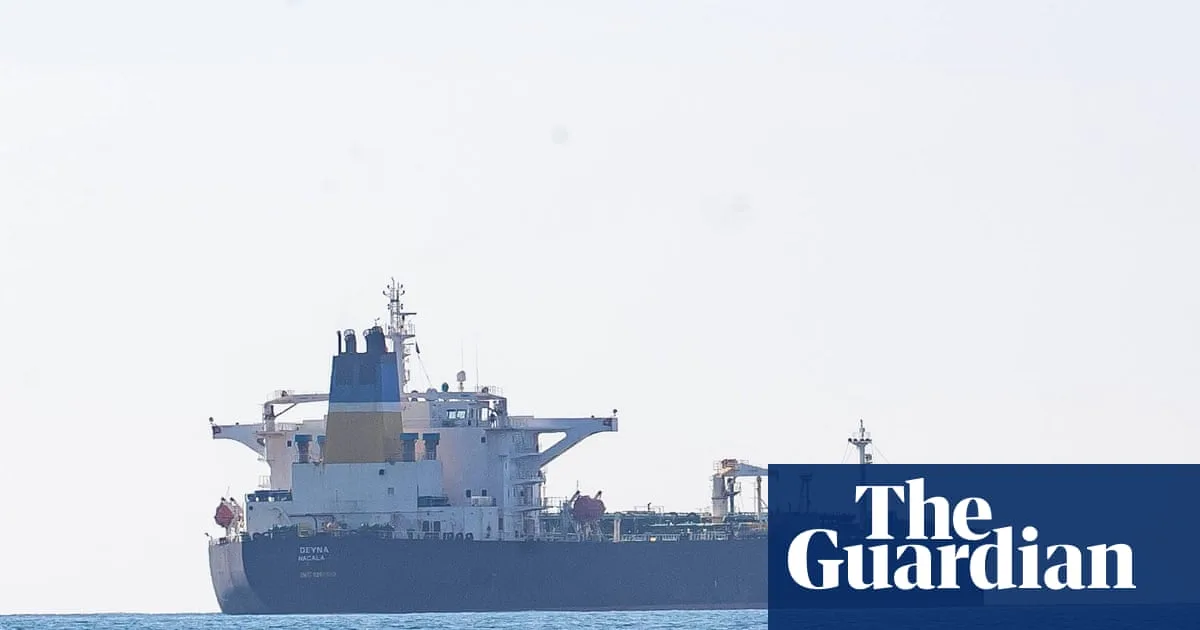
Prime Minister Sir Keir Starmer has authorised UK armed forces and law enforcement to board Russian oil tankers in British waters, escalating action against Moscow's shadow fleet of vessels evading sanctions. The move allows British forces to go further in tackling ageing tankers using false flags or opaque ownership to export Russian crude oil while bypassing western restrictions.
The Royal Navy has previously joined allies in tracking sanctioned vessels, such as a Russian tanker in the Mediterranean boarded by the French navy last week. The new rules apply only to ships sanctioned by the UK, among over 600 vessels targeted by the EU, UK, and US. Defence Secretary John Healey suggested in January that seized oil could be sold, with proceeds sent to Ukraine.
Starmer will attend the Joint Expeditionary Force Summit in Helsinki on Thursday, a UK-led alliance of 10 NATO members focused on maritime security, to discuss combating Russia. Other JEF members, including Finland, Sweden, and Estonia, have already conducted operations against shadow fleet vessels in the Baltic Sea.
Russia has warned that direct action could lead to conflict. Nikolai Patrushev, head of Russia's maritime board, said the navy should be ready to counter what he called 'western piracy'. Starmer stated: 'Putin is rubbing his hands at the war in the Middle East... That's why we're going after his shadow fleet even harder... starving Putin's war machine of the dirty profits that fund his barbaric campaign in Ukraine.'
In January, the UK supported US forces in seizing the tanker Bella 1, renamed Marinera and flagged to Russia, in the Atlantic. Following that, UK ministers ordered plans for British forces to carry out similar operations. Before any boarding, a vessel's situation will be reviewed by law enforcement, military, and energy market specialists, with a recommendation to ministers. Seizure could lead to criminal proceedings for sanctions breaches.




