
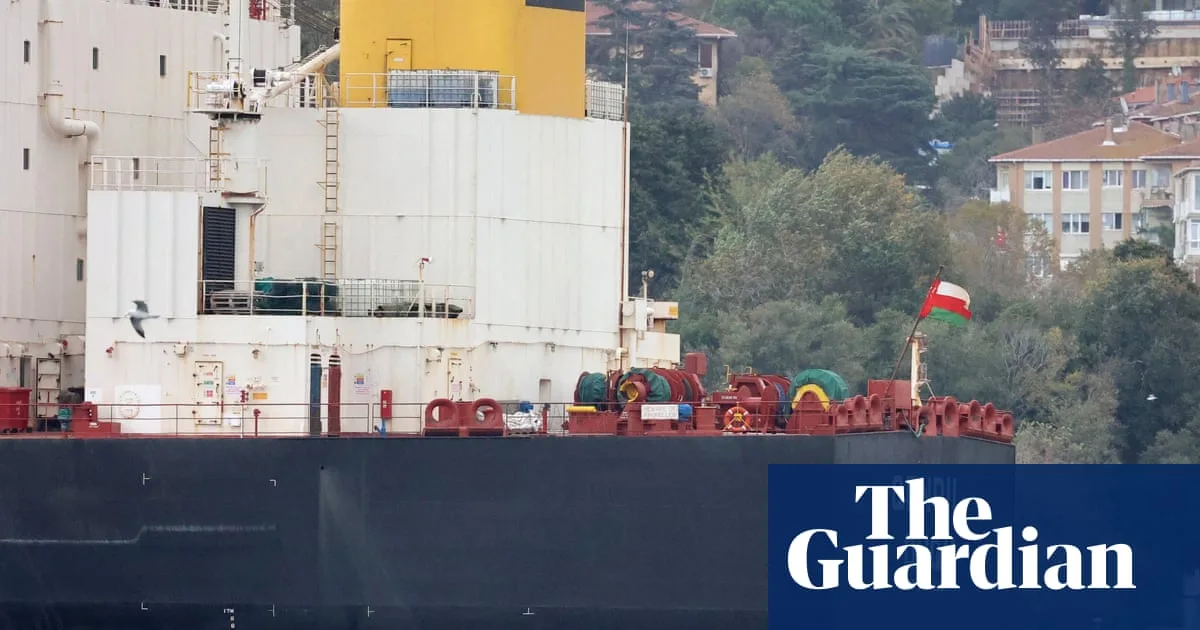
Ukraine has attacked a Russian ‘shadow fleet’ oil tanker with aerial drones off the coast of Libya, marking the first such strike in the Mediterranean Sea since the start of Moscow’s full-scale invasion nearly four years ago. The Security Service of Ukraine (SBU) confirmed the operation, which reportedly caused critical damage to the vessel, identified as the Qendil.
The attack took place on the same day as President Vladimir Putin’s annual end-of-year press conference, during which he vowed that Russia would “definitely respond” to recent Ukrainian strikes on shadow fleet tankers. Putin described the attacks as creating “additional threats” but claimed they would not disrupt supplies.
A source in the SBU described Friday’s operation as a “new, unprecedented special operation” involving multi-stage measures. The official said the tanker was empty at the time and no environmental threat resulted. The Qendil had been used to circumvent Western sanctions and generate revenue for Russia’s war effort, making it “an absolutely legitimate target,” the source added.
The strike signals an escalation in the maritime conflict over Russia’s shadow fleet, which comprises over 1,000 vessels that frequently change flags and obscure ownership. These ships have enabled Moscow to continue exporting crude oil despite international sanctions. The British maritime risk-management group Vanguard noted that the attack reflects a “stark expansion of Ukraine’s use of uncrewed aerial systems against maritime assets associated with Russia’s sanctioned oil export network.”
Kyiv has previously targeted shadow tankers in the Black Sea, and the latest operation demonstrates Ukraine’s willingness to strike far beyond its borders. The Ukrainian official stated, “The enemy must understand that Ukraine will not stop and will beat him anywhere in the world, wherever he is.” The tanker was last in port in Suez, Egypt, on 16 December and turned back after the attack off Libya.




