Royal Navy Warship Deployment Delayed Amid Cyprus Defence Concerns
Royal Navy Warship Deployment to Cyprus Faces Weeks-Long Delay

The Royal Navy's rapid deployment of a warship to bolster defences for UK forces in Cyprus against potential Iranian air attacks has encountered significant delays, with the vessel not scheduled to depart British shores until next week. This timeline means the ship will arrive on station off the Cypriot coast between two and three weeks after a drone strike targeted RAF Akrotiri, an incident that has heightened regional tensions.

Deployment Timeline Under Scrutiny

Prime Minister Sir Keir Starmer announced that the Type 45 destroyer HMS Dragon would be dispatched to the Eastern Mediterranean following the drone attack launched from Lebanon, which caused minimal damage and no casualties at the RAF base. However, Western officials have confirmed that the warship, currently stationed at Portsmouth naval base, will not be ready to set sail for several days.

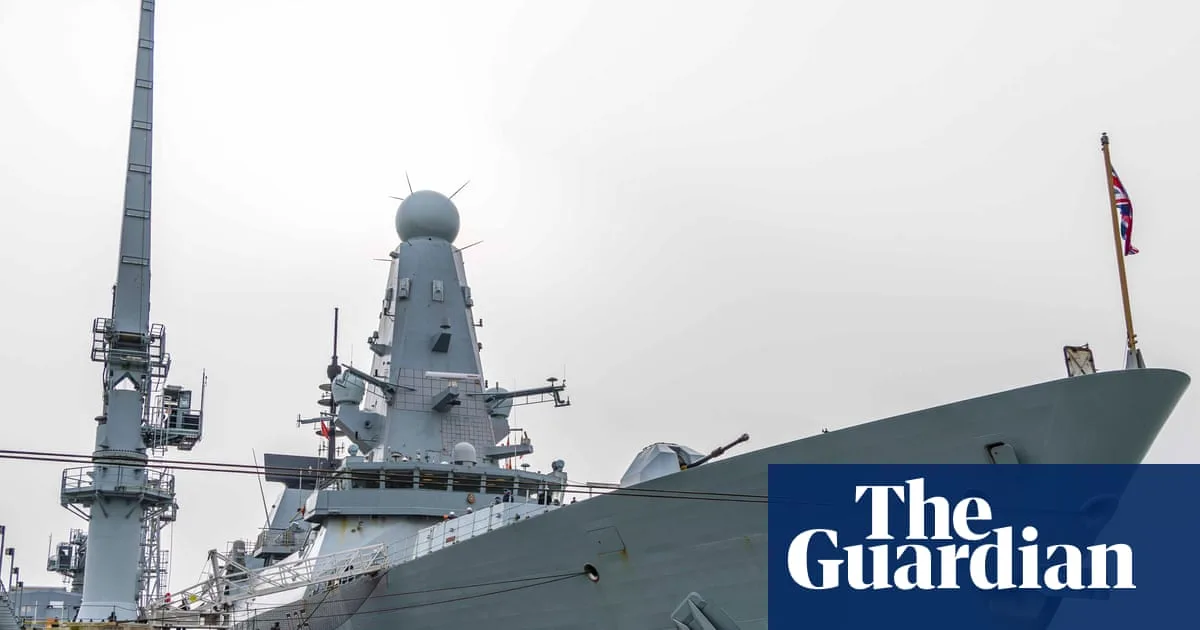
The delay stems from the fact that HMS Dragon was undergoing a routine maintenance period and had been disarmed, requiring rearmament before deployment. Photographs emerged today showing the vessel being rearmed at Portsmouth, highlighting the preparatory steps being taken. The ship was originally being readied for an alternative mission when the urgent call came through to redeploy to the Mediterranean theatre.

Political Clash Over Defence Priorities

The sluggish pace of the deployment sparked a heated exchange at Prime Minister's Questions, where Conservative leader Kemi Badenoch criticised the government's approach. She asserted that Labour's priorities are misguided, noting that HMS Dragon remains in Portsmouth and questioning the vessel's capability to intercept incoming missiles.

Badenoch pointed to the recent spring forecast statement, arguing that Chancellor Rachel Reeves should have allocated additional funds to defence rather than welfare. She challenged Starmer, asking why funding for the armed forces is being deferred to a future administration.

In a robust rebuttal, Sir Keir Starmer defended his government's record, stating he would not accept lectures on defence from a party that cut the defence budget upon taking office. He highlighted consistent failures to meet Army recruitment targets over fourteen years and cited former defence secretary Ben Wallace's description of morale in the armed forces as at an all-time low, with forces left hollowed out.

Regional Appeals and Strategic Implications

The drone strike on RAF Akrotiri prompted Cypriot President Nikos Christodoulides to appeal for naval assistance from France and Germany, a move that helped galvanise the UK government and Navy chiefs into action. However, the extended timeline for HMS Dragon's arrival raises questions about the responsiveness and readiness of UK defence assets in crisis situations.

Starmer emphasised that his administration is delivering the most substantial boost to defence spending since the Cold War, with a commitment of £270 billion over the current parliamentary term. Despite this, the immediate deployment challenges underscore ongoing debates about resource allocation, operational readiness, and the strategic positioning of naval assets to address emerging threats in volatile regions like the Eastern Mediterranean.




