
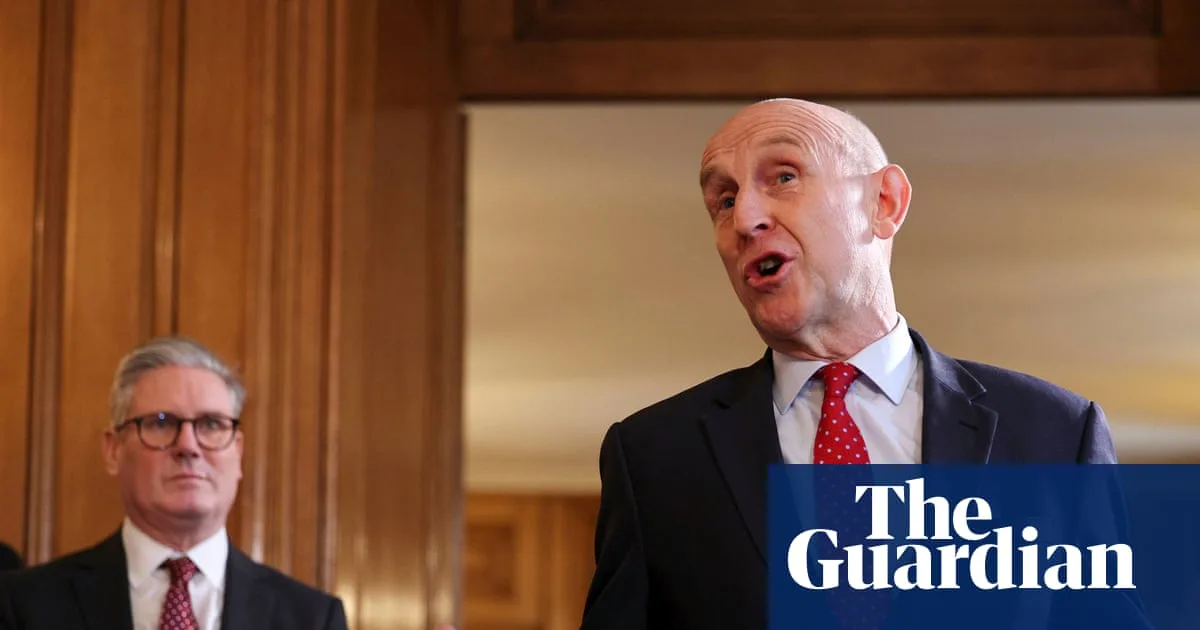
Chancellor Rachel Reeves has been forced to resort to departmental budget cuts to fund an additional £13.5bn for defence over four years, after the Ministry of Defence demanded £18.5bn. The move, described as classic Treasury 'salami slicing', involves trimming around 1% from capital budgets across Whitehall, just months after they were negotiated.
The funding shortfall comes as Defence Secretary John Healey resigned in protest, labelling the settlement as penny-pinching. Treasury insiders defended the cautious approach, citing the MoD's history of profligacy and dismissing warnings from military chiefs as biased towards higher spending. They noted that the £13.5bn uplift is only about £1bn per year less than requested.
The crisis underscores the broader challenge of meeting Prime Minister Keir Starmer's pledges to raise defence spending to 3% of GDP by the next parliament and 3.5% by 2035. With no political will for spending cuts, tax rises, or increased borrowing, the government faces a significant funding gap. Options such as revisiting manifesto tax promises or collective borrowing with NATO allies remain politically unpalatable.
Reeves has used Treasury reserves to cover £3.5bn of MoD projects, but the long-term outlook remains uncertain. The strategic defence review has called for a 'national conversation' on how to proceed, but with global investors already charging higher interest rates on UK debt, the Treasury is reluctant to borrow further.




