

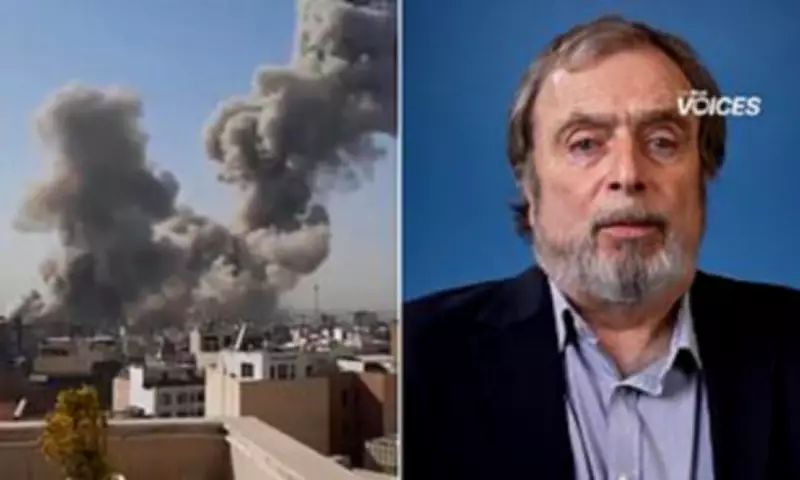
Peter Hitchins Issues Stark Warning on Military Enlistment
In a compelling new video, commentator Peter Hitchins has called on the public, particularly young individuals, to pause and deeply reflect before deciding to join the armed forces. His message centres on the brutal and often overlooked consequences of warfare, which he argues are frequently downplayed in recruitment campaigns.
The Realities of Conflict Exposed
Hitchins emphasises that war is not a glamorous or heroic endeavour as sometimes portrayed, but a gruelling experience that can lead to severe physical injuries, psychological trauma such as PTSD, and long-term difficulties in reintegrating into civilian life. He points to historical and contemporary conflicts to illustrate how soldiers often return home bearing invisible scars that affect their families and communities for years.
This critique comes at a time when military recruitment efforts are intensifying in various regions, with governments promoting service as a path to skills and patriotism. Hitchins challenges this narrative, urging potential recruits to consider alternative ways to serve their country or pursue careers that do not involve the risks associated with combat.

Broader Implications for Society
The video also delves into the societal impacts of war, including economic burdens, political divisions, and the moral questions surrounding military interventions. Hitchins argues that a more informed and cautious approach to enlistment could foster a healthier public discourse on defence policies and national security.
By highlighting personal stories from veterans and analysing recruitment tactics, Hitchins aims to spark a broader conversation about the ethics of military service and the responsibilities of those in power to ensure transparency. His call to "stop and think" is framed as a necessary step towards protecting future generations from the pitfalls of uninformed decisions.
Ultimately, Hitchins' message serves as a poignant reminder of the human cost of conflict, encouraging a shift towards more critical engagement with issues of war and peace in modern society.






