Iran's Calculated Strategy for a Prolonged Conflict with the United States
In an exclusive development, intelligence sources indicate that Iran is deliberately pursuing a bloody "war of attrition and endurance" against the United States, following what appears to be a critical miscalculation by President Donald Trump. The conflict, which has rapidly escalated, now involves devastating attacks across multiple Middle Eastern nations, with Tehran demonstrating unexpected resilience despite the loss of its Supreme Leader.
Regional Escalation and Strategic Miscalculation
The situation deteriorated dramatically on Monday as Iranian forces and their allies launched coordinated strikes across nine countries, including Israel, Lebanon, Iraq, Jordan, and several Gulf states. This expansion of hostilities suggests that Washington underestimated both Iranian resolve and the regime's capacity to maintain military operations following the death of Supreme Leader Ayatollah Ali Khamenei.
The death toll has soared into the hundreds, with at least 555 fatalities reported in Iran alone since hostilities began on Saturday. Among the casualties were 168 individuals killed in a strike on a girls' school in southern Iran, highlighting the conflict's devastating human cost. Meanwhile, Israeli and American forces have suffered losses, with eleven Israeli civilians and four US service personnel confirmed dead.

Iran's Endurance Strategy
According to Middle East expert and former FBI intelligence officer Ali Soufan, Iran recognizes it cannot achieve a conventional military victory. Instead, the regime aims to "raise the economic, operational, and political costs" for the United States, Israel, and their regional allies. This strategy involves depleting defensive missile stocks through sustained attacks using drones and lower-cost munitions.
Security sources reveal that Iran has already endured more than 700 missiles and bombs in just twelve hours, yet continues to launch coordinated assaults. The regime's command structure remains intact, enabling these operations despite leadership losses. Tehran's objective is clear: exhaust Western political will and defensive capabilities through prolonged engagement.
International Reactions and Military Developments
Prime Minister Keir Starmer has authorized the United States to utilize British military bases for defensive strikes against Iran, following an Iranian drone incident at RAF Akrotiri in Cyprus. However, the UK has refrained from joining offensive actions, with Starmer emphasizing the need for legally justified military interventions based on lessons from the Iraq War.
Regional defenses have been severely tested. The United Arab Emirates intercepted nine ballistic missiles, six cruise missiles, and 148 drones in a single day, while Qatar reported downing two Iranian Sukhoi Su-24 bombers. In a tragic friendly fire incident, Kuwait's air defenses mistakenly shot down three US F-15 fighters during an Iranian attack, though all crew members survived.
Political and Humanitarian Fallout
President Trump has acknowledged that the conflict may extend for weeks, stating, "It's always been a four-week process. As strong as it is - it's a big country. It'll take four weeks or less." He has not ruled out deploying ground forces if necessary, departing from traditional presidential assurances against "boots on the ground."
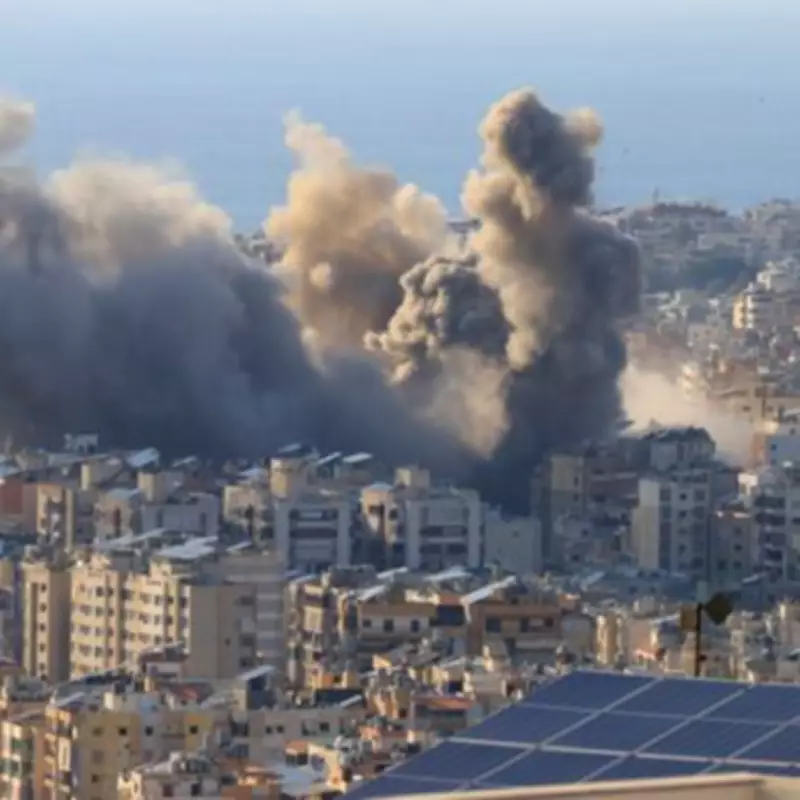
The humanitarian crisis is deepening, with attacks reported in over 130 Iranian cities and significant civilian casualties across the region. In Lebanon, Israeli airstrikes killed 31 people in response to Hezbollah attacks, while demonstrations supporting Iran turned violent in Karachi, Pakistan, resulting in at least 22 deaths.
Israeli Prime Minister Benjamin Netanyahu has accused Iran of targeting civilians, visiting the site of a missile attack that killed nine people in a Beit Shemesh synagogue. He asserted that Israel's defensive actions protect not only its citizens but also "many others" globally.

Looking Ahead
As the conflict enters a critical phase, Iran's strategy of attrition poses significant challenges for US and Israeli forces. The regime's ability to sustain operations despite leadership losses and massive bombardment suggests a prolonged, bloody confrontation that could reshape Middle Eastern geopolitics. With diplomatic tensions rising and military resources being stretched thin, the coming weeks will test the resilience of all involved parties in this rapidly evolving crisis.