Iran's Missile Capability Poses Direct Threat to European Cities
Mounting concerns have emerged over Iran's ability to target locations in Europe using advanced long-range missiles and drones. This follows devastating air strikes by the United States and Israel that resulted in the death of Supreme Leader Ayatollah Ali Khamenei, prompting a significant escalation in regional tensions.
Retaliatory Strikes and Missile Range
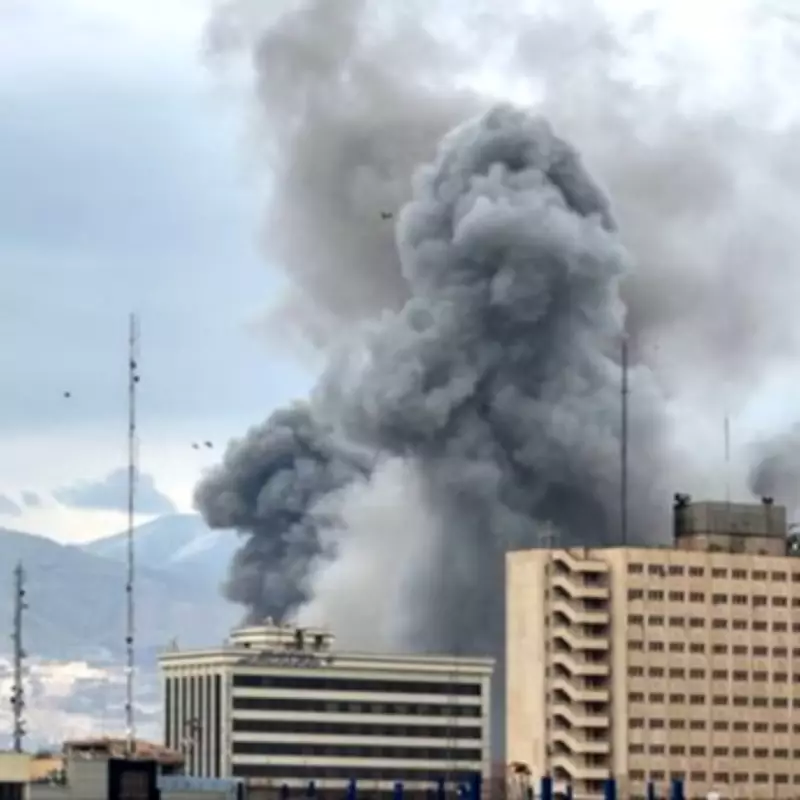
In response to the attacks, Iran has launched missile and drone assaults on American allies, including Cyprus, where British air bases are strategically positioned. The Khorramshahr 4 missile, a key component of Iran's arsenal, boasts an impressive range of up to 1,864 miles. This capability places major European cities such as Rome, Copenhagen, Budapest, and Athens within potential striking distance, raising alarms across the continent.
Expert Warnings and Nuclear Implications
Dr Sidharth Kaushal from the Royal United Services Institute highlighted the grave implications of this missile system. He noted that the Khorramshahr 4 has long been speculated as a potential delivery vehicle for a nuclear warhead, should Iran ever develop one. This adds a layer of complexity to the current crisis, underscoring the strategic risks involved.

Unpredictable Military Doctrine and Intelligence Alerts
Iran's adoption of a 'mosaic warfare' doctrine further complicates the situation. This approach grants lower-level commanders increased authority if communications with senior leadership are disrupted, making Iran's military actions increasingly unpredictable as conflicts intensify. Concurrently, German intelligence officials have sounded the alarm about sleeper terror cells across Europe that could be activated as part of Tehran's retaliation strategy. Marc Henrichmann emphasised that such cells cannot be ruled out, heightening security fears.
Public Opinion and Political Divisions
Amidst these developments, American public opinion remains sharply divided. A recent Reuters/Ipsos poll revealed that only 25% of respondents support former President Trump's decision to authorise the strikes on Iran. This division reflects broader uncertainties and debates over the appropriate response to the escalating threat.
The combination of Iran's missile reach, unpredictable military tactics, and the potential activation of sleeper cells creates a volatile scenario for European security. Authorities are urged to remain vigilant as the situation continues to evolve.