In a stunning display of military precision and intelligence gathering, the United States executed a daring raid to capture Venezuelan President Nicolás Maduro and his wife, Cilia Flores, in the early hours of Saturday, 3 January. The operation, which lasted just two hours and twenty-eight minutes, was the culmination of months of intricate planning and surveillance, dramatically altering the political landscape for Venezuela's 30 million citizens.
The Intelligence Build-Up and Maduro's Evasive Moves
Critical to the success of Operation Absolute Resolve was an extensive intelligence effort led by the CIA and other US agencies. From as early as August, operatives worked to establish Maduro's "pattern of life," meticulously tracking his movements, residences, and habits. General Dan Caine, chair of the US joint chiefs of staff, emphasised the goal was to understand everything from where he travelled to what he ate and even what pets he kept.
As the US bolstered its military presence in the Caribbean from September, Maduro, aware of the threat, significantly tightened his personal security. He abandoned his well-publicised speaking engagements and adopted a nomadic lifestyle, reportedly using between six and eight different locations to sleep each night. He increasingly relied on Cuban counterintelligence officers and bodyguards, distrusting Venezuelan security personnel to the extent they were barred from using mobile phones.

The Night of the Raid: Air Dominance and Tactical Surprise
Despite Venezuela's military, strengthened by Russian-made Su-30 jets and S-300 and Buk air-defence systems, US forces achieved overwhelming air dominance. The final go-ahead was given by President Donald Trump at 10.46pm Eastern Time (11.46pm in Caracas). The first phase involved neutralising Venezuela's air defences, likely using Tomahawk cruise missiles and AGM-88 Harm anti-radiation weapons, with reports of F-35 jets striking aircraft on the ground.
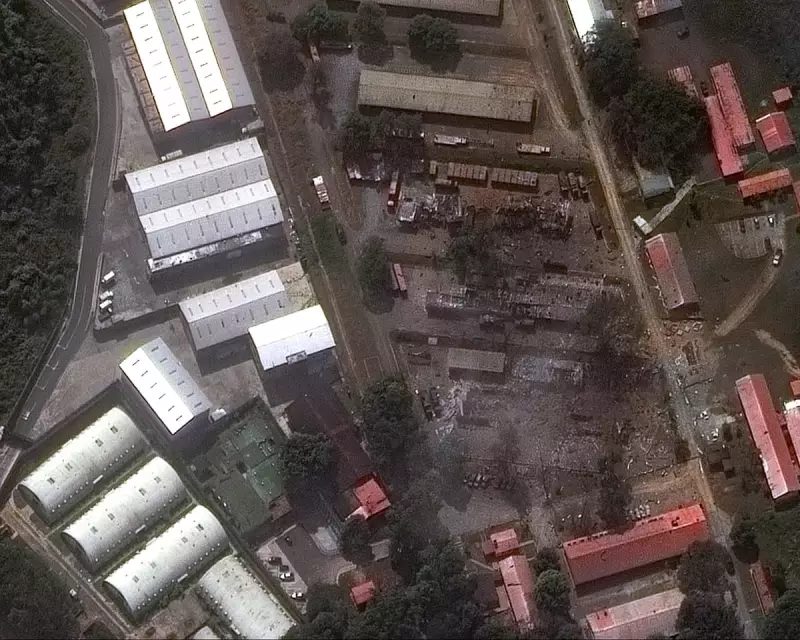
President Trump also hinted at a cyber-attack, noting power in Caracas was cut "due to a certain expertise that we have," though satellite imagery later showed a power station at the Fuerte Tiuna base had been bombed. In total, more than 150 US aircraft participated, including the massive USS Gerald R Ford carrier stationed in the Caribbean.
Delta Force Ground Assault and Capture
With the air corridor secured, elite Delta Force troops embarked on modified Black Hawk and Chinook helicopters. Flying at a mere 100 feet above the water to avoid radar, they navigated to the Fuerte Tiuna military base in Caracas, where Maduro was located that night. The US team had prepared exhaustively, even building a replica of the presidential compound for training and bringing a blow torch for steel doors and an FBI hostage negotiator.
At approximately 2.01am, the helicopters landed under gunfire, with one aircraft damaged but remaining operational. A fierce gun battle ensued, resulting in the death of a large part of Maduro's security detail, according to Venezuela's defence minister. Maduro attempted to flee to a safe room but was captured before he could secure the door. No US soldiers were killed, though several were wounded; Venezuelan officials reported at least 40 fatalities nationwide.
By 4.29am, the helicopters had extracted Maduro and Flores, crossing back into the Caribbean under fighter jet cover. They were initially taken to the USS Iwo Jima before being transferred to the Metropolitan Detention Center in Brooklyn, New York. While the mission was a tactical success, analysts like Matthew Savill of the Royal United Services Institute caution that removing a leader is not synonymous with controlling a nation, leaving Venezuela's future profoundly uncertain.