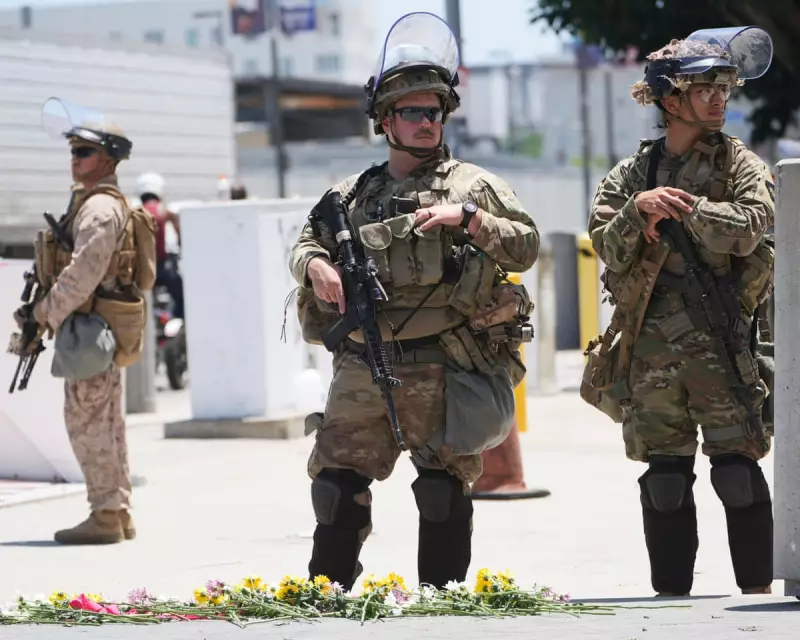
In an extraordinary move highlighting heightened political tensions, California's Governor has ordered the deployment of the state's National Guard to provide security for a federal judge. The judge is presiding over a significant legal case involving former President Donald Trump.
Unprecedented Security Measures for the Judiciary
The decision, authorised by Governor Gavin Newsom, was confirmed on Friday, December 5th, 2025. It marks a rare instance of state military forces being used to protect a member of the federal judiciary, underscoring serious concerns over the judge's safety.
The deployment was initiated following a formal request from federal authorities. While specific threat details remain classified within security briefings, the action itself signals an assessment of substantial risk. A spokesperson for Governor Newsom stated the move was a necessary response to ensure the judge could perform their duties without fear or intimidation.

The judge at the centre of this security operation is overseeing a criminal case against Donald Trump. This case is separate from the former president's other well-documented legal battles, adding another layer of complexity to an already volatile political landscape.
A Political Firestorm and Legal Precedent
The governor's action has ignited immediate political controversy. Supporters argue it is a prudent and necessary step to safeguard judicial independence and physical safety in a climate where threats against public officials have surged. They point to a disturbing trend of intimidation aimed at judges and prosecutors involved in politically charged cases.
Critics, however, have lambasted the move as an overreach and a politically motivated spectacle. Some Republican figures have accused Governor Newsom, a prominent Democrat, of using state resources to grandstand in a case against Trump. Legal scholars are now debating the precedent it sets for the relationship between state militias and the federal court system.
The deployment raises fundamental questions about the security of the judicial branch in an era of deep political polarisation. It also highlights the practical challenges of protecting officials who become targets due to their involvement in high-profile cases involving powerful figures.
Broader Implications for Justice and Security
This incident is likely to have repercussions beyond the immediate courtroom. Security protocols for federal judges nationwide may come under review, with discussions potentially extending to the funding and provision of protective details. The visible use of the National Guard also places the issue of violent political rhetoric and its real-world consequences squarely in the public eye.
Furthermore, the case continues to proceed, with this security detail forming an unprecedented backdrop. All eyes will be on how this measure affects the proceedings and whether it influences the broader perception of the trial's fairness and independence.
The situation remains fluid, with the National Guard's presence expected to continue for the foreseeable future. This event serves as a stark reminder of the intense pressures on America's legal and political institutions, where the rule of law is now being enforced under the guard of military personnel.