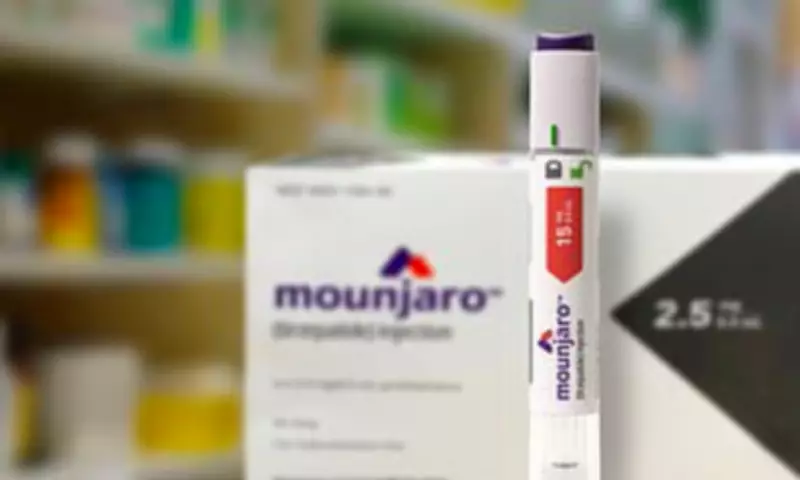
Hundreds of thousands of patients in England are being denied access to weight loss jabs due to a 'postcode lottery', according to damning new data. Health Secretary Wes Streeting had promised that millions of obese patients would receive Mounjaro, a drug that helps users lose up to a fifth of their body weight, through the NHS over a phased 12-year rollout. However, since the programme began in June last year, thousands have missed out on the life-saving medication because local NHS services have not implemented full GP-level services.
Regional disparities in access
Analysis by Oviva, the NHS's largest provider of these drugs, reveals that NHS services in nine areas have restricted access to the jabs for up to 99 per cent of patients, widening health inequalities between affluent and poorer regions. Patients in Yorkshire, Nottingham, Lincolnshire, Kent, Cheshire, Cambridge and Peterborough, Buckingham, Oxford, and Berkshire have faced significant delays to treatment. Other Integrated Care Boards (ICBs) are considering further tightening prescribing criteria or rationing the treatment.
Martin Fidock, managing director of Oviva, stated: 'Access to these drugs should be based on clinical need - not your postcode or your bank balance. Weight loss jabs are changing lives. Patients are losing almost 10 per cent of their body weight in six months, reducing their risk of heart disease and diabetes, and getting back into work. But local bodies, squeezed by shrinking budgets, are ignoring the NHS's own guidelines to shut out patients who should be eligible for treatment. The irony is that the areas with the highest rates of obesity and heart disease now have the least access to treatment.'

Impact on patients
Fidock added: 'GPs are turning people away, telling them to come back when their health gets worse - by which point, for many, the damage is already done.' Experts have long insisted that the phased rollout is essential to prioritise those with the greatest need. Nationally, an estimated 3.4 million people meet eligibility criteria for the drugs, but the NHS plans to treat only 220,000 over three years. Over two million people in the UK are currently thought to be on these jabs, known collectively as GLP-1s, with the majority accessing them privately.
Government incentives
Ministers have announced that GP surgeries will receive a £3,000 bonus if they prescribe the jabs to their most obese patients. This deal means a typical GP practice could pocket an additional £3,000 a year for prescribing Mounjaro to at least eight in ten eligible people on its list. Officials hope this incentive will encourage GPs to accelerate the rollout, as not all practices authorised to prescribe the drug are doing so, according to the Department of Health and Social Care (DHSC).
Health Secretary Wes Streeting said: 'I'm determined that access should be based on need, not ability to pay. These new incentives for GPs will bring the principle of fairness – which has always underpinned the NHS – to obesity jabs, with the phased rollout to those with highest clinical need first.'
Criticism of incentives
However, experts argue that the incentives will do little to improve access for those who need it most. Mr Fidock commented: 'These new incentives are about encouraging GPs to refer and prescribe to more patients - but they don't change who actually qualifies for treatment. Eligibility is still being set locally by NHS boards, and in many areas the criteria have become much stricter. Until we address those restrictions, these incentives won't translate into real, meaningful access for the people who need it most.'
A typical GP practice with 6,000 patients will have fewer than 20 patients who qualify for the drug, with annual funding expected to cover only a fraction of that number. Mounjaro is currently offered on the health service to severely obese people with a body mass index over 40 who also have complicating illnesses such as high blood pressure, obstructive sleep apnoea, cardiovascular disease, and type 2 diabetes.