

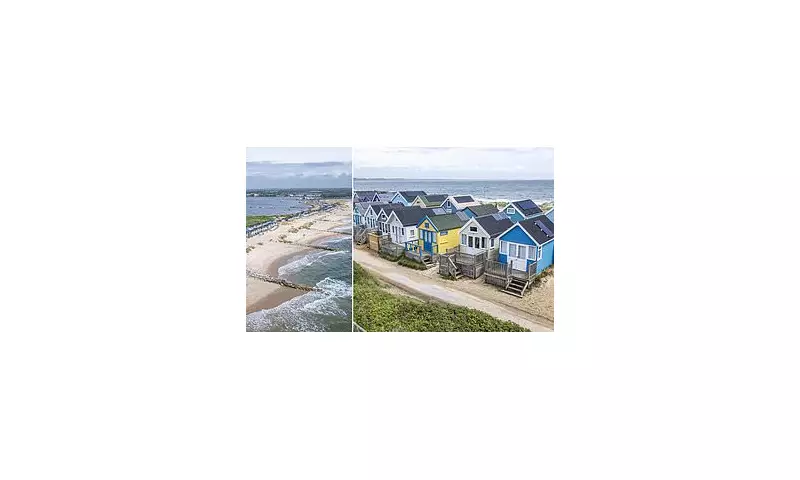
Owners of some of Britain's most exclusive and expensive beach huts are confronting a steep 50 percent increase in their council tax bills. The change comes after local officials in Dorset decided to reclassify the luxury timber cabins as second homes.
Cash-Strapped Council Targets Luxury Huts
Bournemouth, Christchurch and Poole (BCP) Council has ended a long-standing policy that granted the beach huts a 50 percent discount on council tax. The authority, which says it is grappling with an "unprecedented financial crisis," now argues the properties should be officially categorised as holiday homes. This shift will see the valuable discount scrapped entirely.
The council's decision directly affects hundreds of huts situated on the prized Mudeford Spit and at Hengistbury Head. These modest structures, often measuring just 13ft by 16ft and lacking running water or mains electricity, command astonishing prices. Recent sales have reached up to £575,000, a figure that eclipses the local average house price of £313,000.

A Privileged Location Comes at a New Price
The allure of these huts is rooted in their pristine, secluded setting on the southern coast. Access to the car-free sandbank is limited to a 20-minute walk, a short ferry trip, or a ride on a novelty train, offering a rare slice of tranquillity. This has attracted well-off buyers from across the UK.
Under the new ruling, the annual council tax bill for a hut will jump to approximately £1,503, based on current rates. With council tax for 2026/27 yet to be set, the final cost is likely to be even higher. The change primarily targets the 231 hut owners who live outside the BCP council area, drawing them into the new tax net. In total, 340 huts are affected.
Funding Crisis Drives Policy U-Turn
Councillor Mike Cox, Cabinet Member for Finance, defended the move, stating the council must use "all levers at its disposal" to raise funds and protect essential services. He pointed out that while the council welcomes visitors, their presence creates extra demand for services like beach cleaning and flood protection, costs historically borne by local residents.
"This change delivers fairness and consistency for all owners of second homes in the area," Cox said. The policy reversal is expected to generate an additional £211,000 in revenue for the strained local authority.
The decision overturns an arrangement inherited from former Bournemouth and Christchurch councils. It highlights the severe budgetary pressures facing local governments across England, forcing them to seek new income streams. The reclassification stands as a stark example of how cherished coastal assets are becoming a focal point in the battle to fund local services.






