

Government Abandons Plan to Postpone Local Council Elections in England
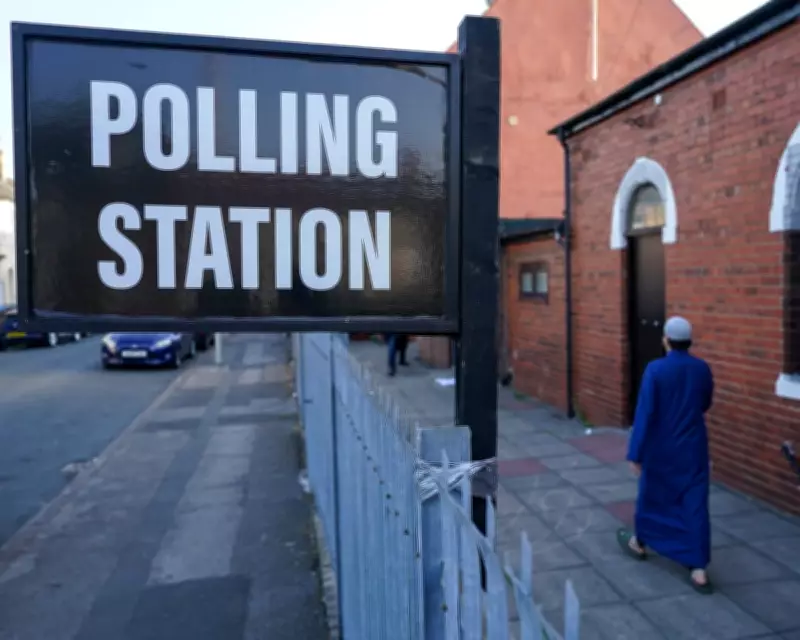
The UK government has officially cancelled its proposal to delay 30 local council elections in England, which were scheduled for this May. This decision comes after ministers received legal advice indicating that such a postponement might not be lawful. The original plan was part of a broader reorganisation of local authorities, aimed at merging or subsuming some councils, with ministers arguing against holding elections for bodies that could cease to exist within a year or two.
Legal Challenges and Political Backlash
The proposal faced significant opposition from various political parties, including a legal challenge from Reform UK, which labelled the move as anti-democratic. With the case set to be heard this month, the government confirmed on Monday that it was withdrawing the plan entirely. A spokesperson for the local government department stated, "Following legal advice, the government has withdrawn its original decision to postpone 30 local elections in May. Providing certainty to councils about their local elections is now the most crucial thing, and all local elections will now go ahead in May 2026."
Reform UK's Role and Government Response
In a letter to Nigel Farage, the leader of Reform UK, a government lawyer explained that Steve Reed, the local government secretary, had tasked housing minister Matthew Pennycook with reviewing the legality of the delay. Pennycook concluded that the elections should proceed as planned this year. Farage responded on social media, claiming, "We took this Labour government to court and won. In collusion with the Tories, Keir Starmer tried to stop 4.6 million people voting on May 7th. Only Reform UK fights for democracy."

The controversy highlights ongoing tensions in UK politics over electoral processes and local governance reforms. The government's U-turn underscores the importance of legal scrutiny in policymaking, ensuring that democratic principles are upheld. As the situation develops, further details are expected to emerge regarding the implications for local councils and future election schedules.






