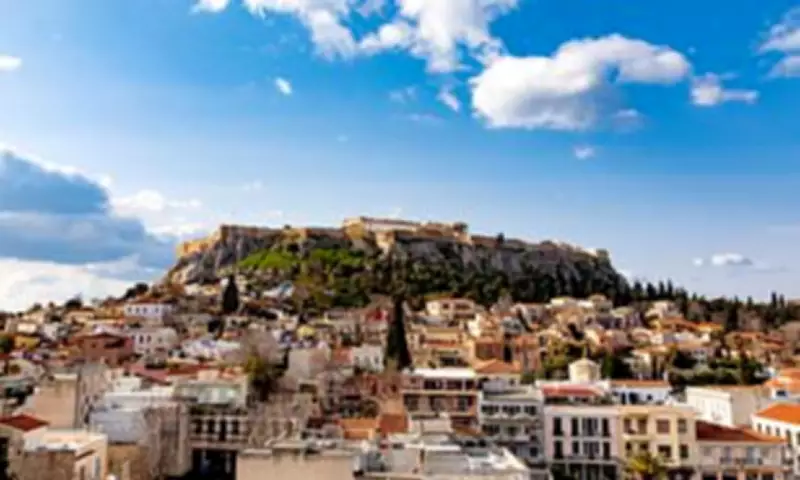
With the effects of overtourism now evident even in the most secure destinations, officials are adopting extreme measures to safeguard residents and critical infrastructure. Hotels and short-term rentals are directly in the firing line. In recent years, tourist hotspots across Europe have clamped down on hotel construction, with several implementing complete bans to curb rising visitor numbers.
Barcelona, Spain
Barcelona pioneered the move in 2017 by banning all new hotel licenses to manage tourism density. The city now seeks to eliminate short-term rentals entirely by 2028. In 2016, around 32 million visitors flooded into the city, vastly outweighing its 1.6 million residents. Mayor Ada Colau's Strategic Plan for Tourism 2020 introduced charges for day-trippers, increased parking rates, and limited Segways and electric scooters in tourist areas. Holiday apartments faced the highest property tax rates, and licenses for new tourist accommodation were refused. Officials currently plan to phase out all short-term rentals by November 2028, affecting over 10,000 properties.
San Sebastian, Spain
San Sebastian is implementing a total ban on new hotels this year as part of a 2026 municipal update to curb high visitor numbers and protect local housing. The historic city, with a population of just 200,000, sees up to two million international visitors at the height of summer, driven by TikTok and other social media. Mayor Eneko Goia is banning new hotel construction and imposing strict restrictions on short-term apartments. The city is divided into two areas: an unconditional moratorium in crowded districts like Antiguo-Ondarreta and Centro, and relaxed rules in other areas focusing on protecting existing housing. The historic Old Quarter is exempt due to its own strict regulations.

Amsterdam, Netherlands
In April 2024, Amsterdam banned the construction of new hotels anywhere in the city as part of a crackdown on rowdy foreign visitors. The local government aims to keep the city liveable by limiting overnight hotel stays to a maximum of 20 million per year. New hotels can only be built if another closes and the number of sleeping places does not increase, with a focus on sustainability. The city has been discouraging sex and drug-related tourism in the Red Light District. Previously, many areas had bans, but now the entire city is a no-go for new hotels.
Athens, Greece
At this week's This is Athens – Agora event, Mayor Haris Doukas suggested banning new hotel construction to manage growth. This follows a 2025 ban on new short-term licenses in three central districts. Doukas emphasized the need to assess how many more hotels are needed and where, stating, 'We must not become Barcelona.' Between 2019 and 2024, hundreds of new four- and five-star hotels opened in Greece. Currently, there are 68,934 hotel beds in the Attica municipality, with about 35,000 in greater Athens. Industry leaders agree that planning is essential to manage the 10 to 12 million annual visitors sustainably.
Malaga, Spain
In April 2025, Prime Minister Pedro Sánchez announced a crackdown on holiday rentals in high-tension areas like Costa Blanca and Malaga. Holiday rentals are now banned from apartment complexes if 60% of property owners vote against them. Malaga's city council announced a three-year moratorium on new tourism rental licenses beyond the existing 12,660. The government threatened fines against platforms like Airbnb for hosting non-compliant properties. Sánchez declared, 'There are too many Airbnbs and not enough housing.' Airbnb claimed it was made a scapegoat, accusing the government of jeopardizing €30 billion in annual tourism activity. The crackdown follows a boom in house prices and rents, which have doubled in less than a decade in some hotspots, sparking protests.
Florence, Italy
In 2023, officials banned Airbnbs in Florence's historic centre to alleviate a chronic shortage of affordable homes. Over 20 years, thousands of properties were converted into short-term rentals, straining the 380,000 residents. Under the policy, stays under 30 days are classified as short-term rentals. Hosts must register properties with local councils, and annual limits are set on rental days.

Yorkshire Dales, UK
In December 2024, the Yorkshire Dales National Park Authority proposed a ban on new second homes. Approved in June 2025, the rules require new dwellings to be permanently occupied across 27 towns and villages, including Bolton Abbey, Hawes, and Malham. Conservative councillor Richard Foster stated, 'We're slowly losing houses to second homes... we need to build homes for people to live in.' The aim is to support local communities and prevent properties from becoming holiday cottages.