CBS News Leadership in Turmoil as Weiss and Cibrowski Clash Over Strategic Direction
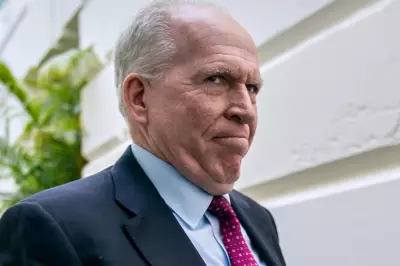
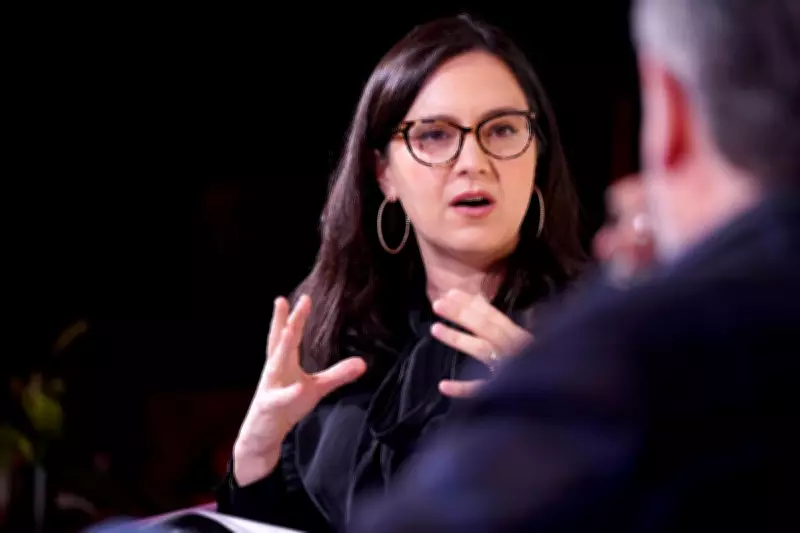
Insiders at CBS News have revealed a significant internal conflict between editor-in-chief Bari Weiss and network president Tom Cibrowski, with staffers describing the pair as "the odd couple" due to their divergent approaches to reviving the network's declining ratings. According to a report from The New York Post, the two executives hold fundamentally different visions for the future of CBS News, creating tension within the organization.
Divergent Strategies for a Struggling Network
Tom Cibrowski, a television veteran, is reportedly advocating for a "softer coverage" approach designed to appeal to Middle America viewers. In contrast, Bari Weiss, who joined CBS News in October after Paramount acquired her digital media outlet The Free Press, has implemented an "aggressive" digital strategy focused on hard news and enterprise reporting. A CBS staffer told The New York Post, "They are an odd couple to me. There doesn't seem to be a lot of synergies between them."
The ratings situation has become increasingly dire for CBS News. In mid-March, the CBS Evening News anchored by Tony Dokoupil dipped below 4 million viewers. Although ratings recovered slightly to 4.1 million by month's end, the figures represent a 7 percent decline compared to the same period last year. This ongoing slump has intensified the pressure on leadership to implement effective turnaround strategies.

Organizational Changes and Internal Tensions
Since Weiss assumed her role alongside Paramount boss David Ellison, CBS News has undergone significant organizational changes. The network cut approximately 6 percent of its staff and shuttered CBS Radio last month. In January, Weiss told employees they should leave if they didn't believe she was the "right leader" for the network, signaling her determination to reshape the organization according to her vision.
Despite Cibrowski reportedly "trying to be loyal" to Weiss, insiders say he has been left feeling like an "outsider" within the organization. The physical separation of their offices has become symbolic of their professional divide, with one source noting, "Usually the No. 2's office is right near their boss's office. Tom is profoundly frustrated. He has no power."
CBS News Responds to Internal Conflict Claims
CBS News has pushed back against characterizations of dysfunction between Weiss and Cibrowski. A network spokesperson stated, "Bari makes editorial decisions, is standing up new projects, and oversees the organization's transformation. Tom leads business operations and is working closely with the Morning Show. That's not 'odd.' That's how successful leaders work together."
However, the network faces additional challenges beyond leadership dynamics. Weiss installed Tony Dokoupil as anchor in January, but a former CBS executive told The Post that Dokoupil cannot compete with established anchors like David Muir on ABC's World News Tonight or Tom Llamas on NBC Nightly News. The source explained, "You can't do David Muir lite. When s*** hits the fan, CBS doesn't have heavyweights like ABC's Martha Raddatz, Pierre Thomas or Jonathan Karl."
Controversial Decisions and Backlash
The report represents the latest in a series of controversies surrounding Weiss's tenure at CBS News. In November, she shocked employees and drew backlash after introducing herself to former President Donald Trump and exchanging cheek kisses following his 60 Minutes interview. A month later, Weiss canceled a 60 Minutes segment about El Salvador's notorious CECOT prison just before it was scheduled to air, a decision that sparked what sources described as a "revolt" within the network.
Weiss defended her decision at the time, telling The New York Times, "My job is to make sure that all stories we publish are the best they can be. Holding stories that aren't ready for whatever reason—that they lack sufficient context, say, or that they are missing critical voices—happens every day in every newsroom."

The ongoing leadership conflict comes as CBS News attempts to navigate a rapidly changing media landscape while addressing persistent ratings challenges. With Weiss and Cibrowski representing fundamentally different approaches to news coverage and network strategy, the resolution of their differences will likely shape the future direction of one of America's most established broadcast news organizations.