
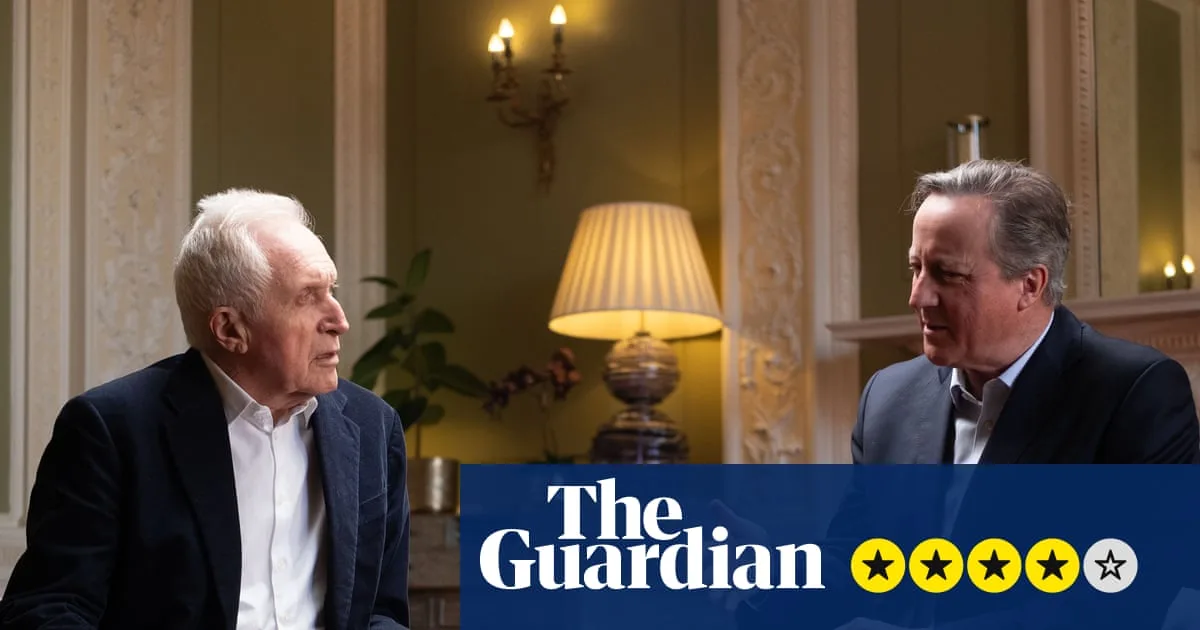
David Dimbleby’s new three-part series, 'What’s the Monarchy For?', opens with a confrontational title that asks a question rarely debated. Dimbleby, now free from his BBC role, has become more combative, driving a horse and cart through Dominic Grieve’s sophistry and skewering the institution built around a jewelled velvet hat.
The first episode focuses on the monarchy’s power and how it is wielded, particularly whether King Charles influences government policy. Dimbleby explores the prime minister’s weekly audiences at Buckingham Palace and the king’s letters, which are placed at the top of ministers’ piles. David Cameron described these meetings as therapeutic, but Dimbleby questions the democratic legitimacy of such access.
Dimbleby presses interviewees on why the king’s opinions should matter when he is unelected, highlighting the inherent absurdity of a monarchy. He challenges Grieve’s argument that Charles’s letters must remain confidential to maintain public neutrality, calling it hypocrisy. The letters, revealed after a court battle, showed lobbying on issues from beef farming to army helicopters, though significant policy changes seem unlikely.
The episode also examines the 2019 prorogation, where the queen’s constitutional power to stop unconstitutional action was limited. Jeremy Corbyn noted that resisting Boris Johnson would have appeared partisan. Finally, Dimbleby considers royal soft power, citing Queen Elizabeth’s visits to Ireland as examples of diplomacy politicians could not achieve, though he notes the monarch acts on government instruction.




