

The UK government has launched a new nationwide initiative calling on communities to nominate their most cherished traditions for a pioneering 'living heritage' register. This comprehensive inventory aims to recognise and safeguard the crafts, customs, and celebrations passed down through generations that define the nation's cultural fabric.
What is the 'Living Heritage' Inventory?
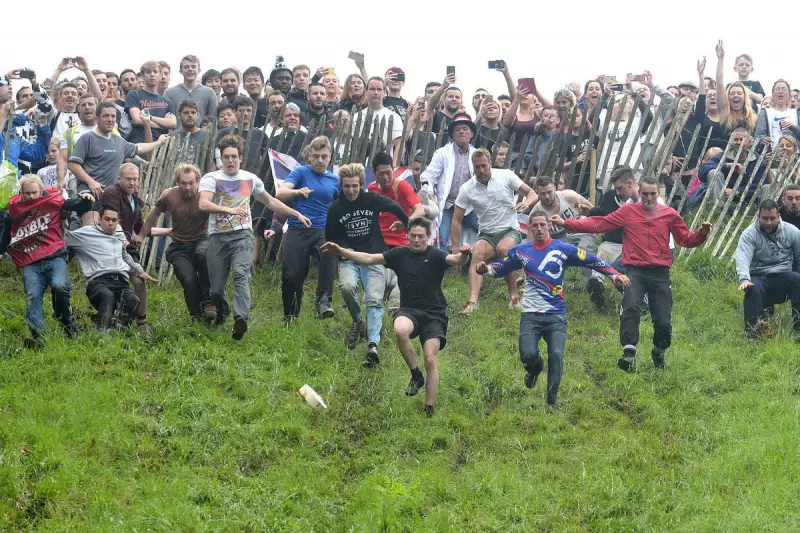
This UK-wide project will create a detailed record of practices ranging from ancient customs like cheese-rolling in Gloucestershire and dry stone walling to major cultural events such as the Notting Hill Carnival and Burns Night suppers. Crucially, the register seeks to be inclusive, recognising traditions introduced by immigrant communities, including steel-drumming, which reflect the country's evolving and diverse cultural tapestry.
The initiative follows the UK's ratification last year of Unesco’s 2003 Convention for the Safeguarding of the Intangible Cultural Heritage. This convention requires signatory nations to compile an inventory of the living traditions, practices, and skills integral to their communities. Separate inventories will be created for England, Wales, Northern Ireland, and Scotland, which will then combine into a single UK register.

Economic Value and Community-Led Submissions
Beyond their cultural importance, these traditions hold significant economic weight. Research from Historic England shows the heritage sector contributed over £15 billion to the economy in 2022. Furthermore, the Department for Culture, Media and Sport (DCMS) states crafts alone generate £400 million annually. Major events like the Lewes bonfire celebrations in East Sussex attract tens of thousands of visitors, providing a substantial boost to local economies.
Heritage minister Baroness Fiona Twycross emphasised that the inventory must be driven by communities themselves. "We want to start a national conversation about the craft, customs and celebrations that are valued by communities across the UK," she told the Press Association. "And this isn’t just for the sake of having conversations, it’s about safeguarding them for future generations."
She highlighted the importance of inclusivity, stating that the UK's living heritage is constantly evolving and influenced by all communities. "Traditions are what makes up the essence of our national story... I think it’s right that traditions brought by immigrant communities are also part of that," she added.
How to Nominate a Tradition
Submissions to the list must come from the communities or groups that actively practise them. Nominations can fall under seven broad categories:
- Oral expressions (poetry, song, storytelling)
- Performing arts
- Social practices
- Traditional crafts
- Sports and games
- Culinary practices
- Nature, land and spirituality
This could encompass a vast array of practices, from the National Eisteddfod of Wales and bagpiping to bog-snorkelling, making Ulster lace, apple tree wassailing, or solstice celebrations at Stonehenge. The public can find information on how to submit nominations at the official website: www.livingheritage.unesco.org.uk.
The launch of the public submission phase was marked by Baroness Twycross visiting stained glass craftsman Phil Crook at his workshop in Ulgham, Northumberland. The minister pointed to the existing heritage craft 'red list' which highlights endangered skills, suggesting this new living heritage inventory could further drive support for preserving these vital traditions.






