
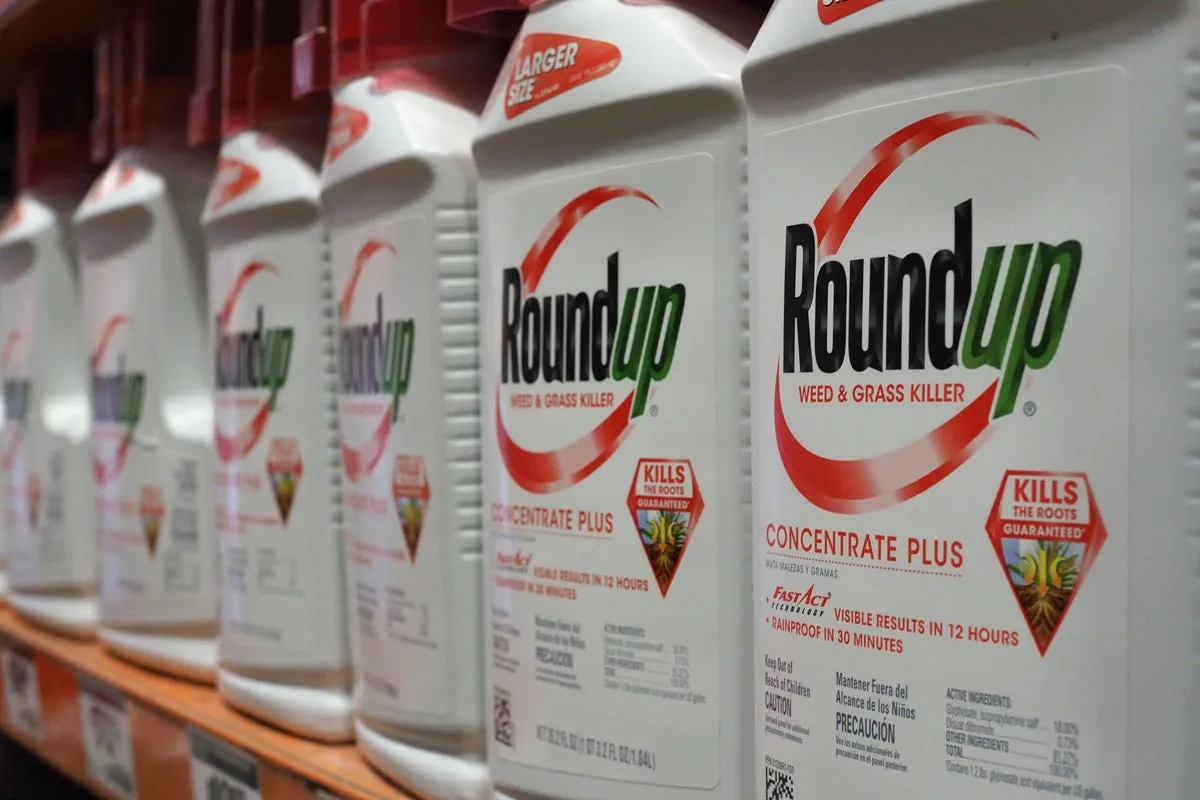
The US Supreme Court has sided with the maker of Roundup weedkiller in a ruling that will block thousands of lawsuits alleging the company failed to warn users that the product could cause cancer. The decision, reached by a 7-2 majority, marks a significant victory for agrochemical giant Bayer, which acquired Roundup when it bought Monsanto in 2018.
The court determined that Bayer cannot be sued in state courts because federal regulations have previously found a cancer link unlikely. The case was brought by Missouri resident John Durnell, who developed non-Hodgkin’s lymphoma after using Roundup on parks for more than two decades. A jury had awarded him $1.25 million, finding that the company failed to warn him adequately.
The scientific community remains divided on the link between cancer and glyphosate, Roundup’s key ingredient. The World Health Organisation’s International Agency for Research on Cancer classified it as 'probably carcinogenic' in 2015, while the US Environmental Protection Agency determined it is not likely to cause cancer in humans when used as directed.
Bayer maintains it is obliged to follow federal standards, which approved a label without a cancer warning, rather than state laws under which lawsuits have been brought. The company has set aside $16 billion to settle cases and proposed a $7.25 billion class-action settlement to resolve many remaining claims. Approximately 200,000 Roundup-related claims have been made, mostly from home users.
Bayer has already stopped using glyphosate in Roundup products sold for the US residential market. It has indicated it might consider pulling glyphosate from agricultural markets if lawsuits persist, a move that agricultural groups warn could affect the food supply. The ruling presents a political quandary, as the Trump administration’s allies, including Health Secretary Robert F. Kennedy, have advocated for reducing pesticide use while an executive order aims to boost glyphosate production.




