
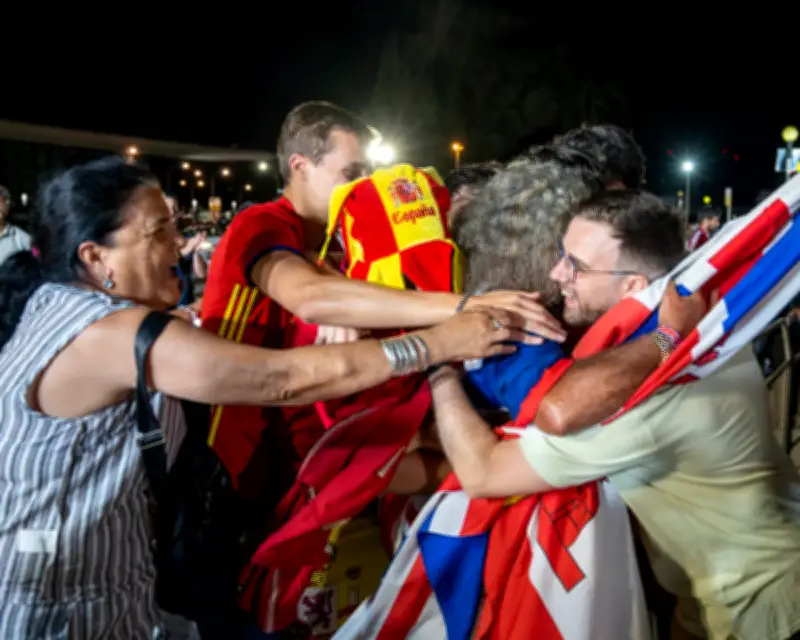
A post-Brexit deal between the UK, Spain, Gibraltar and the EU came into effect at midnight, eliminating border controls on the land frontier between Spain and the British overseas territory. The agreement, signed in Brussels on Tuesday, removes the border fence that has physically separated Spain from Gibraltar since 1908, marking the fall of the last frontier fence in western Europe.
Historic Deal Ends Border Checks
The treaty eliminates border controls and customs checks, creating a fluid frontier for residents, tourists and the thousands of Spanish workers who cross into Gibraltar daily. It gives Spain responsibility for Schengen controls at Gibraltar’s airport and port. Gibraltar, ceded to the British crown under the Treaty of Utrecht in 1713, is home to about 40,000 people and relies heavily on the 15,000 Spanish workers who cross into the territory each day. The Rock is also crucial to the economy of the neighbouring Campo de Gibraltar region of Andalucía, which has a population of around 300,000.
Under the previous system, long rush-hour queues formed at the border, especially during periods of heightened tension between Madrid and London. The new deal aims to ease daily life for thousands of people and provide greater economic certainty.
Leaders Celebrate Removal of Border Fence
Spain’s prime minister, Pedro Sánchez, visited the Spanish border town of La Línea de la Concepción on Wednesday to witness the removal of the final section of the fence. He said history was being made as an “open wound” was finally closed. “The Gibraltar fence – the last wall in continental Europe – has fallen so that we can take a step towards a new era of coexistence and shared prosperity,” he said. “This is a deal that has the wellbeing of the 300,000 Andalucíans in the Campo de Gibraltar at its heart, and which opens a new phase in the relationship between Spain and the UK.”
Gibraltar’s chief minister, Fabian Picardo, said the treaty, which does not affect the territory’s British sovereignty, marked the beginning of a new era. “The frontier that has so often divided and constrained our region will now become a place of cooperation and shared opportunity,” he said. “The daily lives of thousands of people will be made easier, our economy will be given greater certainty and Gibraltar’s future will rest on firm legal foundations.” Picardo added: “We have reached this moment without surrendering who we are, without compromising our British sovereignty and without weakening the constitutional protections that define Gibraltar.”
De Facto Schengen Membership and Concerns Over Queues
Under the terms of the deal, Gibraltar will become a de facto part of the EU’s Schengen free-movement area. Britons flying into the territory will have to pass through the bloc’s new entry/exit system (EES), whose fingerprint and face scans have caused long queues at some airports. Picardo told the Financial Times he was concerned similar queues could happen in Gibraltar.
The UK minister for Europe, Stephen Doughty, called the signing of the treaty “a very special moment”, while the European commissioner Maroš Šefčovič toasted “shared prosperity and no more barrier for the 15,000 people crossing between Spain and Gibraltar daily”.
Historical Context and Negotiations
Spain has long sought the return of its lost territory. The Brexit referendum in June 2016 prompted the conservative Spanish government of the time to suggest that joint sovereignty could be an option. The country’s then acting foreign minister, José Manuel García-Margallo, told Onda Cero radio just after the referendum: “It’s a complete change of outlook that opens up new possibilities on Gibraltar not seen for a very long time. I hope the formula of co-sovereignty – to be clear, the Spanish flag on the rock – is much closer than before.” The suggestion was rebuffed by Gibraltar and London, and a lengthy process of negotiations began. More than 96.6% of Gibraltar residents voted to remain part of the EU.
The territory’s connections with Spain were totally cut off in 1969 when the Spanish dictator Francisco Franco ordered the land border to be closed after Gibraltar approved a new constitution. Families were separated and thousands of Spaniards lost their jobs overnight. The border did not reopen until 1982. The removal of the fence and the elimination of border controls mark a significant step forward in relations between Spain and the UK, with leaders on both sides expressing hope for a new era of cooperation and shared prosperity.




