

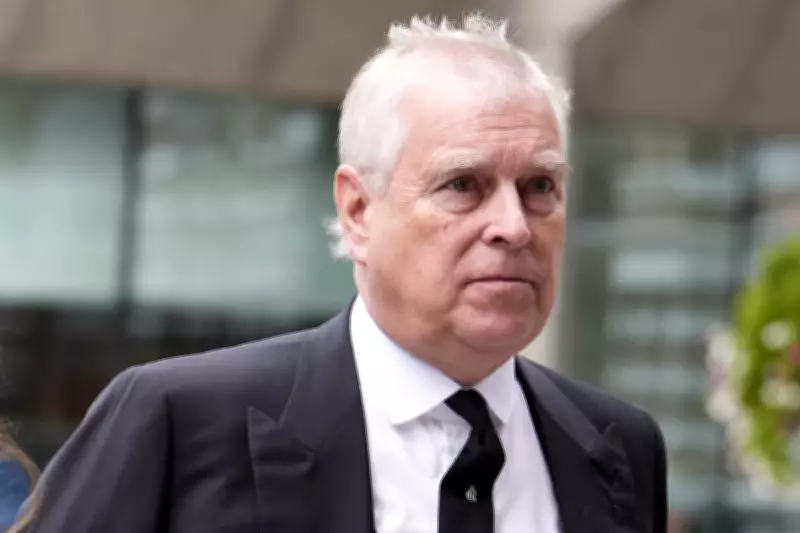
Support for the British monarchy has fallen to a concerning low amid the ongoing Jeffrey Epstein scandal, according to a new poll that has reignited calls for a serious national debate about the institution's future. The survey, commissioned by the anti-monarchy campaign group Republic, reveals that public backing for the Crown has dropped by three percentage points, leaving just 45 percent of Britons in favour of retaining the monarchy.
Polling Reveals Significant Shift in Public Sentiment
The research, conducted by Savanta over the weekend, shows that while support for an elected head of state remains steady at 32 percent, the proportion of undecided respondents has risen sharply from 20 percent to 24 percent since October. This shift indicates growing uncertainty about the monarchy's role in modern Britain, particularly as fresh allegations continue to emerge linking Prince Andrew to the convicted sex offender Jeffrey Epstein.
Palace Responds to Mounting Pressure
Buckingham Palace issued a statement on Monday acknowledging the King's "profound concern" regarding allegations about Andrew Mountbatten-Windsor's conduct. The Palace emphasised it would "stand ready to support" police investigations if approached about new claims. This comes as Thames Valley Police confirmed they are assessing suggestions that the King's brother shared confidential reports from his role as the UK's trade envoy with Epstein.

The new allegations surfaced among three million documents recently made public by the US Department of Justice relating to Epstein's criminal network. These documents reportedly contain claims that a second woman was sent to the UK by the paedophile for a sexual encounter with Andrew, and that the former prince and Epstein asked an exotic dancer for a threesome at Epstein's Florida residence.
Royal Family Faces Public Backlash
The King experienced direct public criticism during a visit to Lancashire on Monday, where he was heckled by a man who shouted, "How long have you known about Andrew?" as he arrived at Clitheroe train station. Meanwhile, the Prince and Princess of Wales publicly addressed the Epstein scandal for the first time, with Kensington Palace stating they were "deeply concerned" at the "continued revelations" and that their thoughts "remain focused on the victims."
Republic Campaigners Demand Constitutional Debate
Graham Smith, chief executive of Republic who reported Andrew to police over the trade envoy allegations, declared: "The monarchy is losing its one claim to legitimacy, opinion poll ratings. The trend across most polling is declining support, and this poll shows how low that support has gone. Falling support is unsurprising given the gravity of accusations against Andrew."
Smith stressed the "urgent need" for a "serious and honest debate" about a post-monarchy Britain, arguing: "The monarchy is not going to reverse this trend of falling support. The late queen was the one person keeping this creaking institution going. Even her legacy is now being tainted by the Andrew scandal."
Historical Context of the Allegations
The Savanta research follows previous polling conducted shortly after Andrew agreed to stop publicly using his royal titles and honours in October 2025, and before the King stripped him of his princely status and removed his dukedom. The allegations against Andrew have persisted for years, most notably involving Virginia Giuffre, who died by suicide last year after alleging she was forced to have sex three times with Andrew when she was 17, including during an orgy after being trafficked by Epstein.
Andrew paid millions to settle the civil sex case with Giuffre in 2022, despite maintaining he had never met her. The former duke has consistently denied any wrongdoing throughout the various allegations and investigations. The poll surveyed more than 2,100 adults, asking directly: "What would you prefer for the UK: a monarchy or an elected head of state?" The results suggest a significant erosion of public confidence in the institution at a time of unprecedented scandal.






