

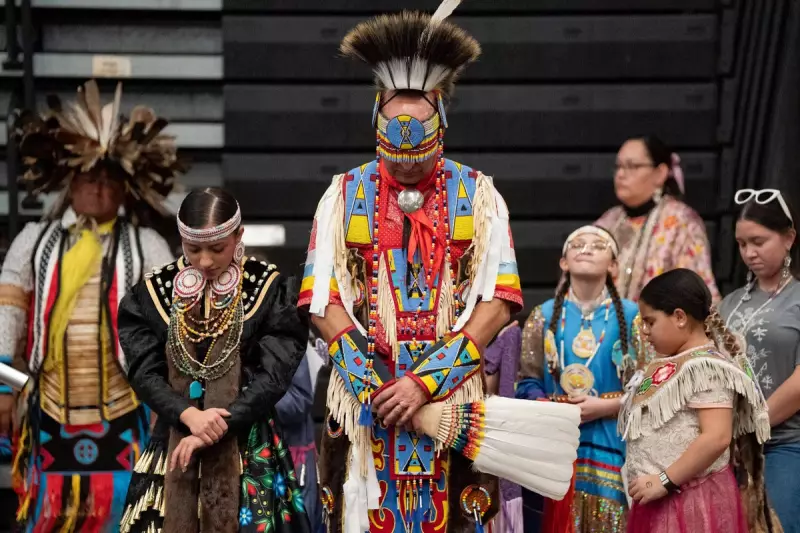
In a historic move decades in the making, the Lumbee Tribe of North Carolina is now on the cusp of full federal recognition as a sovereign tribal nation. This landmark status was secured through the US Senate's passage of the annual National Defense Authorization Act (NDAA) on Wednesday, 17 December 2025.
A Long-Awaited Victory and Political Momentum
The journey to this point has spanned over 30 years of congressional debate. The Lumbee, a state-recognised tribe with approximately 60,000 members, have persistently sought federal acknowledgement to access crucial resources and affirm their sovereignty. While an administrative path was opened in 2016, the tribe consistently pursued recognition via an act of Congress.
The effort gained significant political traction during the 2024 presidential campaign, when then-candidate Donald Trump pledged his support during a visit to Robeson County. Following his election, President Trump issued an executive order in January 2025 directing the Interior Department to develop a plan for recognition. The department later advised the tribe to continue its pursuit through Congress, leading to intensive lobbying by Lumbee Tribal Chairman John Lowery with key figures including North Carolina Senator Thom Tillis and direct appeals to the White House.

What Federal Recognition Means for the Lumbee
Federal recognition unlocks a suite of vital benefits and resources. These include access to funding and grants, services from the Indian Health Service, and the authority to place land into federal trust. The Congressional Budget Office estimates providing these resources will cost hundreds of millions of dollars in the initial years. Upon recognition, the Lumbee will become one of the largest tribal nations in the United States.
The announcement prompted jubilant celebrations in Pembroke, North Carolina, where over 200 tribe members gathered to watch the Senate vote. "It’s going to be a very, very emotional time for us," said Charles Graham, a Lumbee member and former state legislator. "We’ll be able to stand on our principles in terms of who we are, where we’ve been, our sovereignty."
Controversy and the Path Forward
Not all within Native American communities are celebrating. The move has faced opposition from some tribal leaders and scholars who argue the Lumbee should complete the formal administrative recognition process, which evaluates historical and genealogical claims. Critics, including Shawnee Tribe Chief Ben Barnes, have testified before Congress, warning against prioritising political considerations over documented historical continuity.
The Lumbee Tribe maintains its ancestral lineage from Algonquian, Iroquoian, and Siouan language families and highlights its continuous recognition by the state of North Carolina since 1885. The tribe's significant voting bloc in the swing state of North Carolina also underscored the political dimensions of the recognition fight.
With the NDAA's passage, a generations-long struggle is nearing its end, promising profound change for the Lumbee people while igniting complex debates about identity, history, and the allocation of federal resources in Indian Country.






