

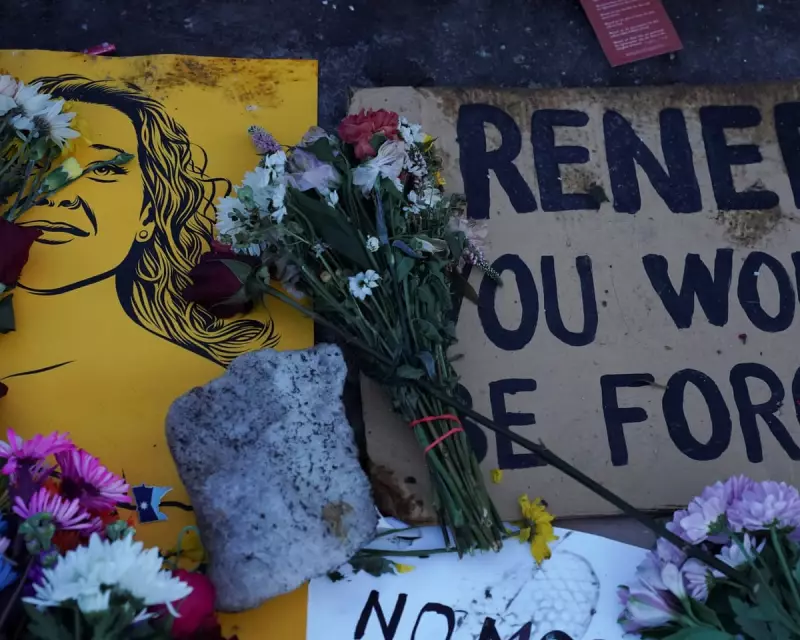
The fatal shooting of a 37-year-old American mother by a federal immigration agent has ignited a profound constitutional crisis, pitting state authorities against a Trump administration accused of prejudging the case and obstructing justice.
A Rush to Judgement and a Call for State Action
Last Wednesday, Renee Good was shot and killed by an Immigration and Customs Enforcement (ICE) agent in Minneapolis. Mere hours after the incident, the federal response was swift and, according to legal experts, deeply prejudicial. President Donald Trump labelled Good a "professional agitator," while Homeland Security Secretary Kristi Noem accused her of "domestic terrorism." Vice-President JD Vance incorrectly asserted the agent had "absolute immunity" from state prosecution.
"These responses are not the way government officials should ever treat a use of deadly force," state the authors, Kristy Parker and Samantha Trepel, both former prosecutors in the US Department of Justice's Civil Rights Division. They emphasise that a credible, impartial investigation is the bedrock of constitutional democracy, necessary for public trust and officer safety alike.

A Pattern of Federal Avoidance on Officer Violence
The authors point to a disturbing pattern where the current administration has "all but abandoned its responsibility" to investigate violence by federal officers. They note the Civil Rights Division has been decimated of its experienced prosecutors, and veteran officials in Minnesota have reportedly quit over the handling of this probe.
This is not an isolated case. The Department of Justice has allegedly ignored incidents of excessive force by federal agents in Chicago, Los Angeles, Portland, and Washington D.C. In one Chicago case, a federal judge found agents had lied under oath about their actions. "So even as the Department of Justice claims it is investigating the Minnesota shooting, the public should hesitate to trust the outcome," they warn.
How States Can 'Fill the Void' in Seeking Justice
Against this backdrop, the parallel investigation launched by Minnesota officials is not just vital—it is a model for other states. "States and localities can and should step forward to fill the void," the authors argue. Oregon is already investigating two recent ICE shootings in Portland.
Even in the face of federal obstruction, state authorities have significant power. They can:
- Interview bystander witnesses and consult use-of-force experts.
- Gather and analyse publicly available video evidence.
- Review federal policies and procedures.
- Pursue creative legal avenues, such as "universal constitutional remedies" acts to hold federal officials accountable.
The killing of Renee Good is seen as a culmination of months of aggressive ICE tactics. The authors conclude that in this moment, fair and thorough investigations cannot be expected from the federal administration. The responsibility—and the imperative—now lies with state and local leaders to ensure accountability and keep communities safe.






