The Instrumentalisation of Life: How Everything Becomes a Means to an End
For decades, Metro-Goldwyn-Mayer Studios has opened its films with Leo the roaring lion and the motto ars gratia artis: art for art's sake. Despite MGM's commercial nature, this sentiment highlights a legitimate reason for creating movies. Art for profit, self-promotion, or propaganda isn't truly art in its purest form. Yet, a recent advert for the National Art Pass, offering free or discounted gallery entry, shocked with its tagline: "See more. Live more." The message focused on quantitative gains, proclaiming, "Grow some years on to your life with art," suggesting art could extend lifespan. This reflects a broader trend where Arts Council England promotes creative activities for health benefits, instrumentalising the arts.
The Hug That Lasts Six Seconds
This trend isn't new. In 2010, Gretchen Rubin's book The Happiness Project described hugging her husband for at least six seconds to promote oxytocin and serotonin flow, reducing stress. This chilling image shows actions driven by mood improvement rather than love. Rubin's year-long experiment treated happiness as a machine, where truth mattered less than feeling better. Between this and art for longevity, countless activities are promoted for material benefits, normalising instrumentalisation insidiously.
From Church to Orgasm: Everything Instrumentalised
Take churchgoing: once a devotional duty, now often praised for health benefits like reducing depression. A book advocates prayer for cardiovascular health, citing studies on medical benefits. Even orgasms are instrumentalised, with headlines claiming they prevent prostate cancer, shifting focus from pleasure to health. Searching for activities valued intrinsically is challenging; Opera North lists singing benefits, mostly about stress relief and memory, not artistic expression.

Nature and Philosophy Reduced to Tools
Advocates for reconnecting with nature use utilitarian reasons, like the National Trust promoting walking for wellbeing or forest bathing as therapy. This exploitative mindset mirrors those who cut down trees. Philosophy, the pursuit of wisdom, is now sold for transferable skills to boost careers, with Cambridge highlighting resume-friendly abilities. Instrumentalisation becomes pernicious with social connections, treating others as means to self-advancement, violating Kant's categorical imperative.
The Harm in Instrumentalisation
Why does this matter? A good life depends on how we do things, not just what we do. Two people with identical cultural calendars inhabit different worlds if motivations differ. Aristotle noted intrinsic value in ends, not means. Instrumentalisation strips activities of intrinsic worth, turning them into means for ends like health, wealth, or wellbeing—none intrinsically valuable. Health enables meaningful activities but isn't valuable alone; mental health is similar, and even happiness isn't good if based on ignorance or prejudice.
What Truly Has Value?
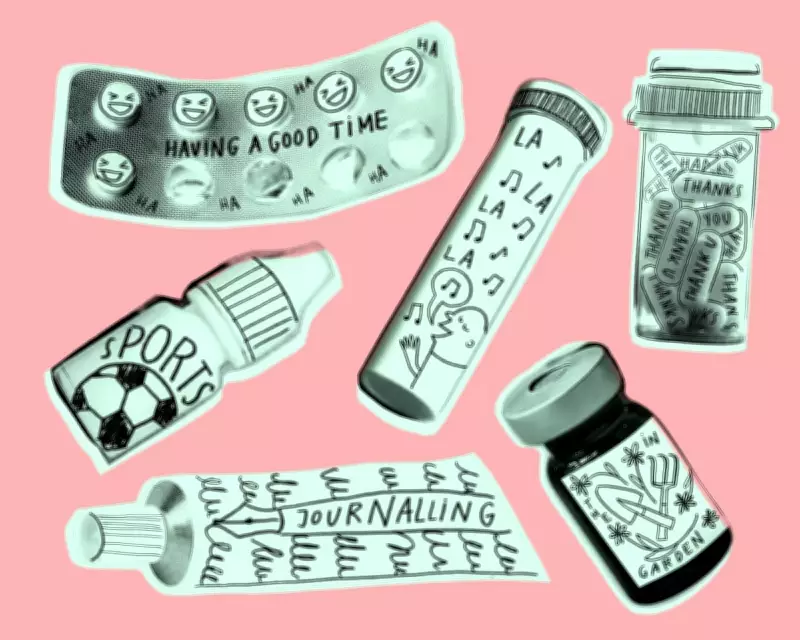
Intrinsic goods include things that make life worth living without justification: appreciating nature's wonder, sports' struggle and delight, or learning languages for cultural access. These enrich lives regardless of lifespan or dementia delay. Instrumentalisation flattens this complexity, encouraging focus on utility over value. For example, socialising for personal wellbeing misses the point of caring for others, undermining benefits.
Roots in Modernity
Instrumentalisation stems from western modernity's emphasis on individual autonomy, consumerism, and reductionism. The Enlightenment promoted personal freedom but overlooked interdependence, leading to atomisation. Consumers treat everything transactionally, even relationships. Reductionism from science breaks experiences into parts, ignoring systems. Combined, these foster a plundering mindset for wellbeing, neglecting deeper needs.
Reversing the Trend
A deinstrumentalised world would value activities for their own sake, with benefits as side-effects. As David Hume said, we love friends for themselves, not for pleasure. Appreciating intrinsic value liberates us from pressure to serve further purposes, allowing a fuller life where loved things are enough. Life is its own end, key to true fulfilment.