

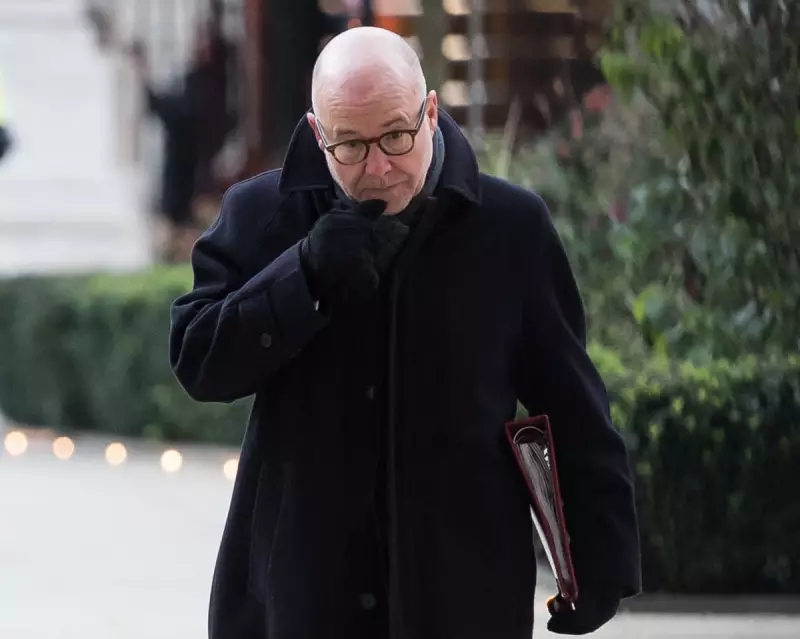
The UK's new Attorney General, Richard Hermer KC, is facing calls to be sent a copy of the United Nations Charter, following controversial remarks about the application of international law to allied nations.
A Diplomatic Doctrine or a Dangerous Precedent?
In a recent statement, Lord Hermer argued that in a 'complicated and dangerous' world, political leaders must employ 'statecraft'. This approach, he suggested, allows for the consideration of broader diplomatic factors before deciding whether to publicly criticise or hold allies accountable for potential breaches of international law.
The comments have sparked significant criticism from international law experts and commentators. They are seen by some as providing a theoretical cover for the UK government to avoid condemning clear violations by friendly states, a stance critics label as 'doublespeak'.

A Timely Reminder from UN History
The suggestion for a UN Charter refresher comes from Mark Seddon, writing in a letter to the Guardian. He references the practice of a former UN General Assembly president, María Fernanda Espinosa, who sent copies of the charter to all member states upon her election.
Seddon proposes that such a gesture might now be apt for figures including Donald Trump, Vladimir Putin, and Benjamin Netanyahu, whom he accuses of disregarding international legal norms. He specifically extends the suggestion to Lord Hermer, questioning the invention of a new 'UK right' to prioritise diplomacy over legal principle.
The call coincides with a poignant historical anniversary. January 2026 marks 80 years since the first UN General Assembly convened at the Methodist Central Hall in London. A commemoration event is scheduled for 17 January at the same venue, where Seddon wryly suggests the Attorney General could receive his copy from the current Secretary-General, António Guterres.
The Core of the Controversy
At the heart of the debate is a fundamental tension between realpolitik and the rule of law. Lord Hermer's 'statecraft' argument implies that strategic relationships can sometimes outweigh the immediate need to call out illegal actions. His critics, however, contend that this undermines the very foundation of the UN Charter and international law, which are meant to be binding and universally applied.
They argue that such selective application creates a two-tier system, where powerful nations or allies operate with impunity. The letter writer implies that this stance aligns with Prime Minister Keir Starmer's reported position following what he describes as Trump's 'smash-and-grab shakedown in Venezuela', a clear reference to a past incident framed as a breach of the charter.
The unfolding discussion raises critical questions about the UK's future posture on the global stage and its commitment to a rules-based international order as it navigates complex alliances in an increasingly volatile world.






