
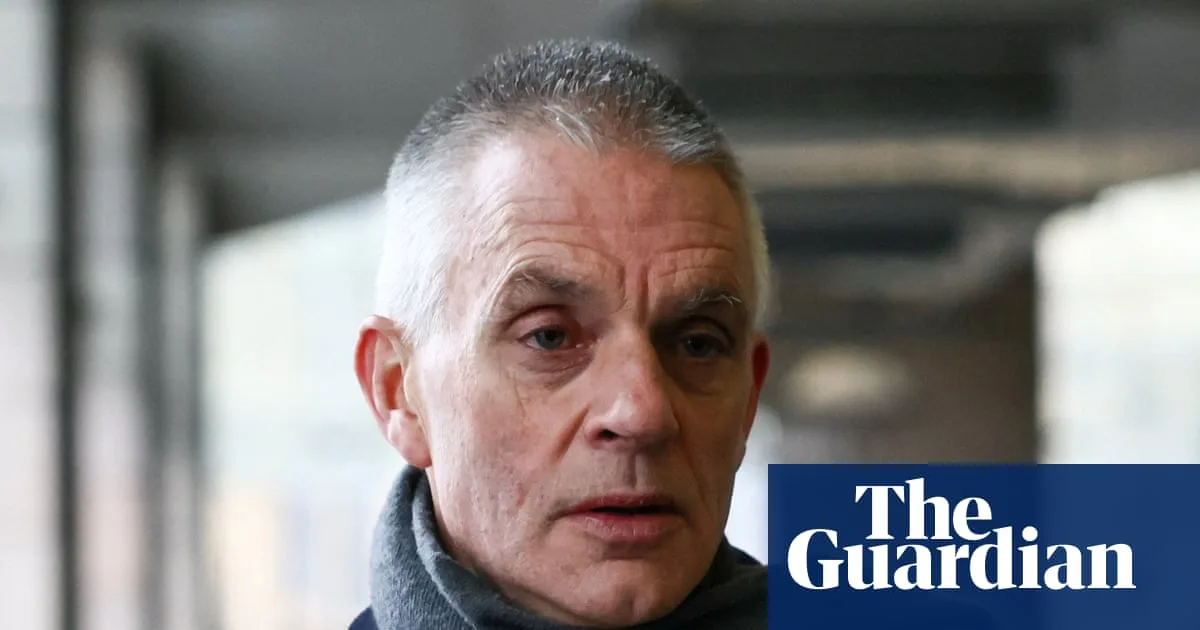
Outgoing BBC director general Tim Davie has warned that the corporation faces 'profound jeopardy' unless it embraces significant changes to its funding model. In an exclusive interview with the Guardian, Davie called for supporters to 'stand up and fight' for the BBC amid increased hostility from commercial and political critics.
Davie indicated support for reforming the licence fee, but said he did not want to simply increase the amount demanded from each household. 'We do want reform of the licence fee. However, we're not just about driving the amount we get from households higher,' he said. He rejected advertising or subscription models, arguing they would undermine the BBC's universal service.
The BBC is examining how to make the licence fee more progressive, with chair Samir Shah previously suggesting a household levy collected through council tax. This would allow poorer groups to pay less and remove the need for enforcement visits. However, it could also eliminate the option for households to opt out.
Davie opposed a hybrid funding system that would split the BBC by genre, warning it would 'be the end of public service broadcasting.' He also called for governance reforms to increase the broadcaster's independence, noting that audience surveys showed this was a top priority.
Talks over the BBC's royal charter and funding are beginning in earnest, with the current charter due to expire at the end of 2027. The licence fee has lost about one-third of its real value since 2010, and non-payment is slowly increasing. Davie urged the government and Ofcom to allow more flexibility for innovation as media consumption shifts to digital platforms.




