EU's New Entry-Exit System: Key Changes for British Travellers Explained
EU Entry-Exit System: Changes for British Travellers

EU's New Entry-Exit System: Key Changes for British Travellers Explained

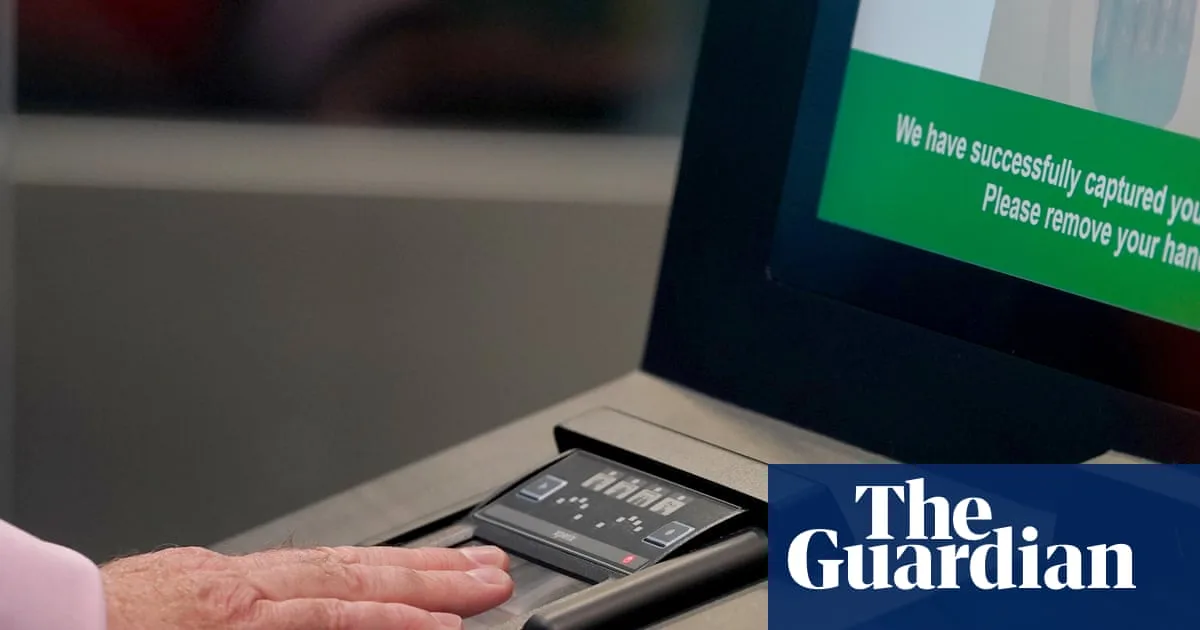
The European Union is rolling out a significant new Entry-Exit System (EES) that will fundamentally alter how British travellers enter the Schengen Area. This digital border control initiative, set to replace manual passport stamping, mandates the collection of fingerprints and facial biometrics from UK passport holders upon their first entry. As a result of Brexit, British citizens are now classified as 'third-country nationals,' making them subject to these enhanced security measures designed to streamline border management and accurately monitor the duration of stays within the EU.

Implementation Timeline and Delays

The EES has experienced multiple postponements, but full implementation is currently anticipated by 7 September 2026. This system aims to digitise border controls, thereby reducing wait times and improving efficiency at checkpoints. Once operational, it will enforce the existing 90-day stay limit for non-EU visitors within any 180-day period, ensuring compliance through automated tracking rather than reliance on physical stamps in passports.

Introduction of the Etias Permit

Following the smooth rollout of the EES, the European Union plans to introduce the European Travel Information and Authorisation System (Etias). Expected to become operational approximately six months after the EES is running effectively, Etias will require British visitors to obtain an online travel permit. The application process involves:

Wide Pickt banner — collaborative shopping lists app for Telegram, phone mockup with grocery list
  • Completing an online form with personal details
  • Paying a fee of €20, similar to the US Esta system
  • Undergoing background checks for security purposes

It is crucial to note that Etias does not guarantee entry into the Schengen Area; final admission decisions remain at the discretion of border authorities based on individual circumstances.

Impact on British Travellers

For British travellers, these changes represent a shift towards more rigorous and technology-driven border procedures. The EES will necessitate additional time at initial entry points for biometric data collection, potentially leading to longer queues during peak travel periods. However, proponents argue that the system will enhance security by accurately monitoring overstays and preventing illegal immigration. Travellers are advised to stay informed about updates to the implementation schedule and prepare for the new requirements to ensure smooth journeys post-2026.

Pickt after-article banner — collaborative shopping lists app with family illustration




