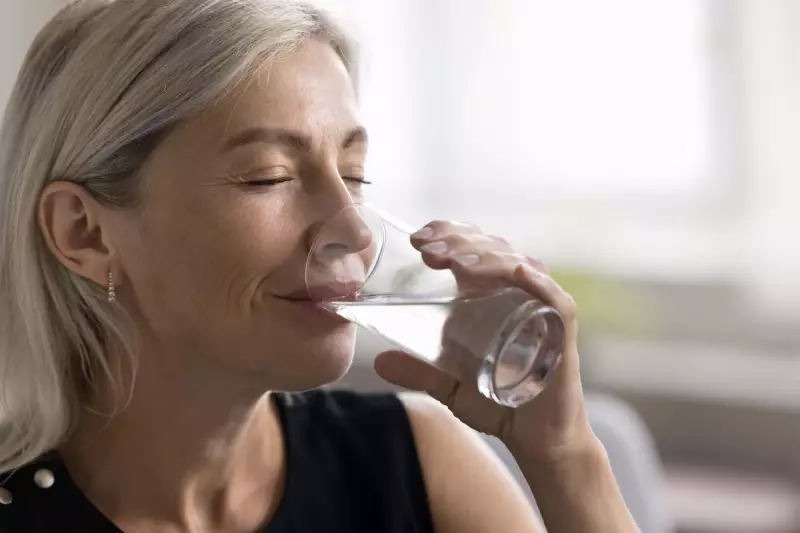
While Dry January is famously championed as a reset for the liver and sleep, dermatologists highlight that one of the most immediate rewards appears on your face. Experts confirm that abstaining from alcohol delivers measurable, visible improvements to skin health, affecting everything from hydration and inflammation to long-term ageing.
The Immediate Impact: First Two Weeks
According to skincare specialists, your complexion can begin to rebound surprisingly fast after your last drink. Gina Baker, an in-house specialist at Germaine de Capuccini, notes that initial changes often surface within days.
By the end of the first week, skin typically looks fresher as fine dehydration lines start to fill out. The complexion becomes plumper and more hydrated. Entering the second week, the skin often feels less sensitised, and a persistent 'high colour' or redness across the cheeks and nose begins to dissipate.

Consultant dermatologist Dr Conal Perrett of The Devonshire Clinic corroborates this, stating that the reduction in alcohol-induced dehydration and inflammation leads to a less dull, puffy, and more even skin tone within just a few days to a fortnight. Many of his patients report their skin looks 'brighter' and more rested.
How Alcohol Damages the Skin Barrier
The negative effects of alcohol extend beyond surface-level puffiness. It actively disrupts the body's natural hydration mechanisms. "Alcohol disrupts the hormones that regulate water loss and acts as a diuretic," explains Gina Baker. This dual assault leaves skin looking thirsty and dull and significantly compromises the skin barrier.
A weakened barrier allows moisture to escape and irritants to enter more easily, leading to increased sensitivity, redness, and flaking. When alcohol is removed, hydration levels stabilise, enabling the barrier to repair itself. Dr Perrett confirms that a stronger barrier better retains moisture, reducing irritation and creating a smoother, healthier-looking complexion.
One Month Milestone: Definition and Glow
The most dramatic changes for many become apparent around the four-week mark. This is less about weight loss and more about the resolution of systemic fluid retention encouraged by alcohol.
"Eyes become less puffy and dark. The cheekbone and the jawline become more defined due to the lack of puffiness. The face becomes dewy and glowing," says Baker. Improved sleep quality, free from alcohol's disruptive influence, further aids the skin's nightly repair and regeneration processes, contributing to a more revitalised appearance.
Long-Term Benefits for Skin Conditions and Ageing
For those managing chronic skin issues, the benefits of cutting out alcohol are cumulative. Dr Perrett points out that alcohol increases inflammation, disrupts hormones, and dilates blood vessels, all of which can exacerbate conditions like acne and rosacea. Reducing intake can significantly calm such inflammatory responses over time.
From an anti-ageing perspective, alcohol contributes to oxidative stress and the breakdown of collagen. While abstaining won't erase existing wrinkles, it creates an environment where skin can age more gracefully. Reduced inflammation also allows the skin's natural repair cycle to work more efficiently, improving overall tone and texture.
Navigating the Adjustment Phase
The transition isn't always seamless. Baker notes that some people may experience temporary skin itching, dryness, or flaking in the first two to three days as the body recalibrates. Dr Perrett adds that short-lived breakouts can also occur.
Both experts advise keeping skincare simple during this phase: focus on gentle cleansing and robust hydration, and avoid introducing new active products. Supporting the skin internally with water-rich foods and quality sleep is equally crucial.
Repairing Skin After Long-Term Drinking
For those using Dry January as a springboard for longer-term change, skin recovery should prioritise barrier support. Baker recommends gentle cleansers with prebiotics and serums containing hyaluronic acid in different molecular weights to restore multi-level hydration.

Dr Perrett's advice aligns, emphasising ingredients like ceramides, glycerine, and hyaluronic acid for repair, alongside antioxidants such as vitamin C. Only once the skin barrier is stable should more active treatments like retinoids be considered, with daily sunscreen remaining non-negotiable.