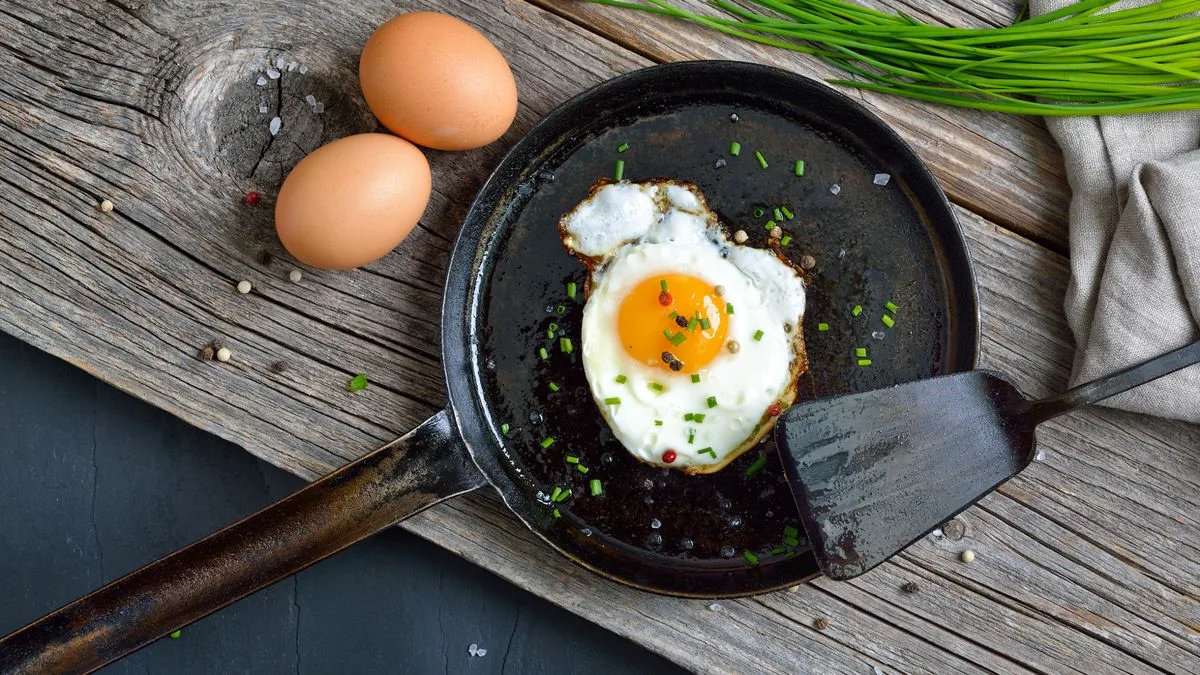
Fried eggs are a breakfast staple, whether you are enjoying nutritious avocado on toast or tucking into a full English breakfast. They can be prepared in less than five minutes, but despite their apparent simplicity, eggs are delicate. It is surprisingly easy to overcook them, as the whites firm up much quicker than the yolk. Without the proper cooking method, fried eggs can result in rubbery whites, scorched edges, and a yolk that ruptures and runs across the pan.
The Simple Lid Trick for Perfect Fried Eggs
Jeanine Donofrio, a cook and founder of the food blog Love and Lemons, has revealed a simple way to achieve the perfect crispy and jiggly fried egg without any fuss. All you require is a frying pan lid. Jeanine explained: "The lid will capture steam in the pan, cooking the egg from the top as well as the bottom. This is key if you like a fried egg whose whites are firm but whose yolk is still runny."
When you fry an egg, the cooking fat heats the white portion at a considerably faster pace than the top. This frequently causes the whites to appear burnt while the upper yolk section remains raw and translucent. This often prompts people to worry and attempt to flip the egg, which can rupture it, leaving it both charred and undercooked in certain areas.
However, placing a lid on your frying pan helps contain the steam from the cooking fat, enabling the yolk top to cook at the same speed as the bottom of the egg. It may seem like an incredibly straightforward cooking technique, but it represents the optimal approach to guarantee your fried egg turns out crispy and flawlessly prepared, with a runny yolk.
How to Make Tastier Fried Eggs
You will need (per person):
- One large egg
- One teaspoon of extra-virgin olive oil or butter
- Sea salt and black pepper
It is worth noting that butter imparts an exceptionally rich taste to eggs, but it burns easily at elevated temperatures, which can result in uneven cooking if you are not vigilant. If you wish to prepare eggs in butter, use gentle heat and monitor them closely throughout the cooking process to ensure they do not burn. Olive oil tends to be more stable and less prone to burning, but any cooking fat works fine when making fried eggs. Some cooks also fry their eggs in bacon grease, coconut oil, or avocado oil, though it comes down to individual taste.
Method
To start, avoid cracking the egg straight into the pan; break it into a small bowl or ramekin first. This prevents splashing from the pan and makes it simpler to fish out any shell pieces that might drop in. Then, warm the olive oil or butter in a pan over medium heat. Once it is bubbling, gently tip in the egg. Immediately reduce the heat to low as soon as the egg hits the pan, then cook without a lid for approximately one minute. Once the egg whites appear to be firming up, cover the pan with a lid and cook for two to three minutes. When the time has elapsed, season your egg with plenty of salt and pepper, and your impeccably cooked fried egg will be ready to serve.