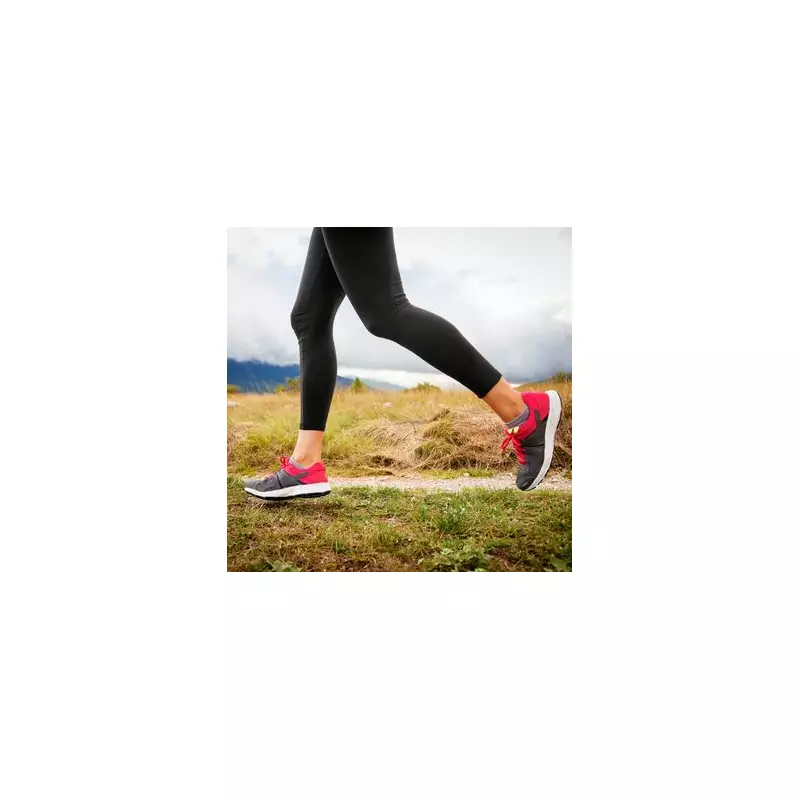
As the new year of 2026 gathers pace, many across the UK are pulling on their trainers, seeking the physical and mental benefits of a regular run. For seasoned runner and content editor Katie-Ann Gupwell, hitting the pavement has long been a cherished way to unwind. However, she knows all too well that this popular pursuit can come with a painful downside: sore knees.
The Lockdown Lesson That Led to Knee Pain
Katie-Ann, who has been running for years, found her routine intensifying during the pandemic lockdowns. What was typically a three-times-a-week activity became a more frequent escape for fresh air and sanity. This sudden increase, however, quickly took its toll. Her knees began to ache, prompting a necessary visit to a physiotherapist.
The diagnosis was clear: she was overdoing it. The physio provided crucial advice to help her recover and get back on track safely. Alongside scaling back to her former three-run weekly schedule, she was introduced to a regimen of pre-run exercises. One, in particular, has proven to be a game-changer for her knee health ever since.

The Simple Pre-Run Exercise That Made a Difference
So, what is this magic move? It's a fundamental exercise familiar to most: the squat. Katie-Ann advocates for incorporating a few squats before a run, and there's solid reasoning behind this simple practice.
Squatting is a powerhouse strength movement that engages the major muscle groups in the lower body and core. It mimics the natural motion of sitting and standing, building functional strength, improving mobility, and enhancing balance. For runners, its primary benefit lies in fortifying the muscles that support the knee joint.
How Squats Strengthen and Protect Your Knees
When you run, your knees absorb significant repetitive impact. Squats help by:
- Building strength in the quadriceps, hamstrings, and glutes, which are vital for stabilising the knee.
- Improving overall joint stability and resilience, which can help prevent common issues like runner's knee.
- Promoting better muscle balance, especially when performing full squats compared to partial ones, leading to improved body awareness and leg power.
This strengthened muscular framework acts as a natural shock absorber, limiting the strain on the knee joints themselves. However, proper form is absolutely critical to reap these benefits and avoid injury. Knees should remain aligned with toes, and the movement should be controlled.
Key Advice for Starting Safely
Katie-Ann and the experts emphasise a cautious approach. If you are new to squats or managing existing pain, begin with bodyweight squats or wall sits to build foundational strength and mobility. Progress should be gradual.
Most importantly, listen to your body. If you experience any sharp or persistent pain while performing the exercise or running, you must stop and seek professional advice from a physiotherapist. They can provide a personalised assessment and treatment plan.
While this single exercise has been a "life-saver" for Katie-Ann Gupwell, helping her knees feel better both day-to-day and on her runs, it serves as a helpful tip within a broader context of sensible training and professional guidance.