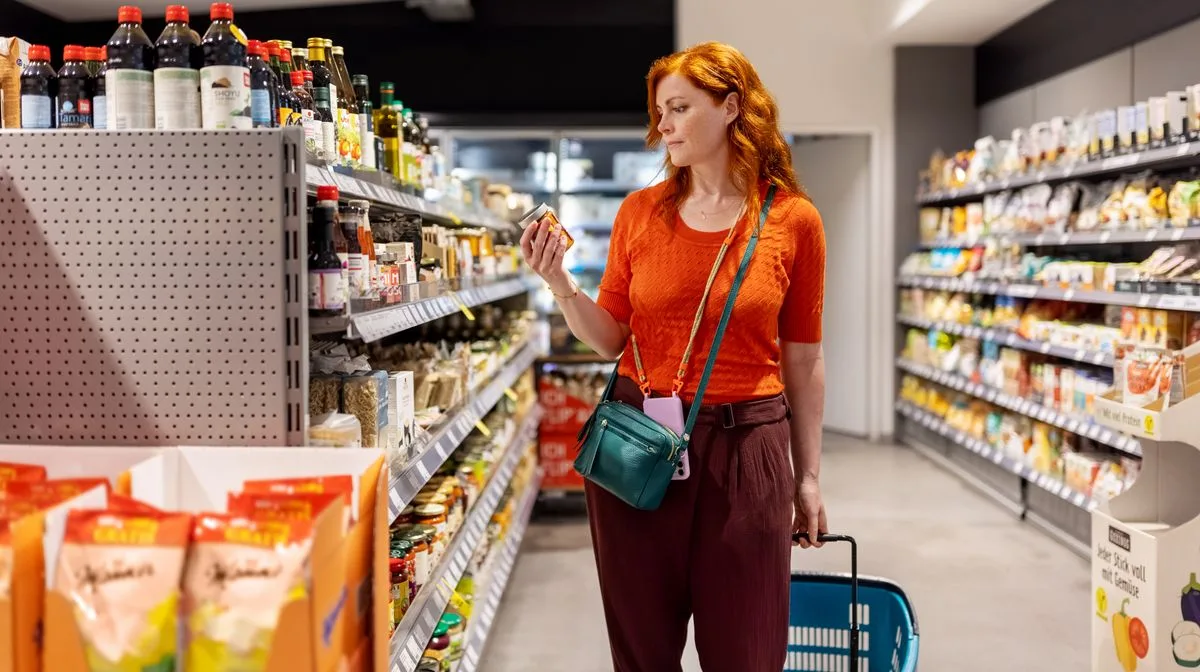
An Australian gut health expert has revealed the three common supermarket items he refuses to keep in his family kitchen, warning that many products marketed as 'healthy' may actually be disrupting people's gut health without them realising.
Dr Paul Froomes' top three items to avoid
Dr Paul Froomes, a microbiome doctor and gastroenterologist at The Microbiome Clinic in Melbourne, has built a growing online following by breaking down the science behind digestion, ultra-processed foods, and the microbiome in simple terms. Now, he has shared the three products he says never make it into his trolley.
'These are the three things you'll never see in my family's kitchen. Not because I'm strict... It's because I know exactly what they do to your gut,' he said.
Flavoured kids' yoghurts
At the top of his list are flavoured kids' yoghurts, particularly the brightly coloured pouches and tubs marketed as healthy lunchbox staples. 'Most are dessert with a vitamin printed on the label,' he explained in a video. According to Dr Froomes, many contain emulsifiers, artificial colours and large amounts of added sugar. Those ingredients can negatively affect the microbiome, the trillions of bacteria living in the digestive system that play a key role in everything from digestion to immunity. 'Emulsifiers like polysorbate-80 have been shown to thin the mucus layer of the gut,' he explained. 'And the sugars and artificial colours feed all the wrong microbes.'
In recent years, gut health has become one of the biggest wellness trends globally, with increasing research linking the microbiome to mood, inflammation, metabolism and even mental health. As a result, supermarket shelves have exploded with products claiming to support digestion, immunity and 'wellness' - but experts say clever marketing can often blur the line between genuinely nutritious foods and highly processed snacks dressed up as health products.
Sugar-free soft drinks and diet beverages
The second item Dr Froomes avoids is sugar-free soft drinks and 'diet' beverages. While many consumers view them as a healthier alternative to sugary drinks, he says the artificial sweeteners used in them may still have unintended consequences. 'Aspartame, sucralose, and saccharin can alter the microbiome in as little as two weeks,' he said. Some studies, he added, have linked artificial sweeteners to glucose intolerance - where the body struggles to process sugar properly - despite these drinks being marketed as 'better-for-you' options. 'The drink that's marketed as a healthy choice starts behaving as sugar in your body,' he said.
Packaged snack bars
The final supermarket aisle he avoids altogether is packaged snack bars - including granola bars, protein bars, and muesli bars. For busy Australians, products like protein bars and flavoured yoghurts have become everyday staples - quick breakfast options, lunchbox fillers, or post-gym snacks that promise health, energy, and convenience all at once. 'They're what we call ultra-processed products with very clever marketing teams,' he said. Dr Froomes argues that many bars promoted as convenient health foods are packed with seed oils, emulsifiers, sugar alcohols, and long ingredient lists that bear little resemblance to whole foods.
But nutrition experts increasingly warn that 'health halo' marketing can make heavily processed foods appear far healthier than they really are. Words like 'high protein', 'low sugar', 'natural' and 'gut friendly' often dominate packaging, while the fine print tells a more complicated story.
Long-term habits over perfection
Still, Dr Froomes stressed that gut health is about long-term habits rather than perfection. 'This isn't about perfection - it's about pattern,' he said. 'If your family eats whole, real food 80 per cent of the time, the odd treat won't matter. But if these three are showing up every single day, it's worth a rethink.'
Dr Froomes also shared a broader list of nine supermarket staples he refuses to buy, including probiotic yoghurts loaded with sugar, pasteurised honey, commercially produced kombuchas with artificial sweeteners, muesli bars with low fibre and high sugar, apples with pesticide-coated waxed skin, grass-fed meatballs with additives, and more. His advice: 'Read the back of the packet, not the front.'






