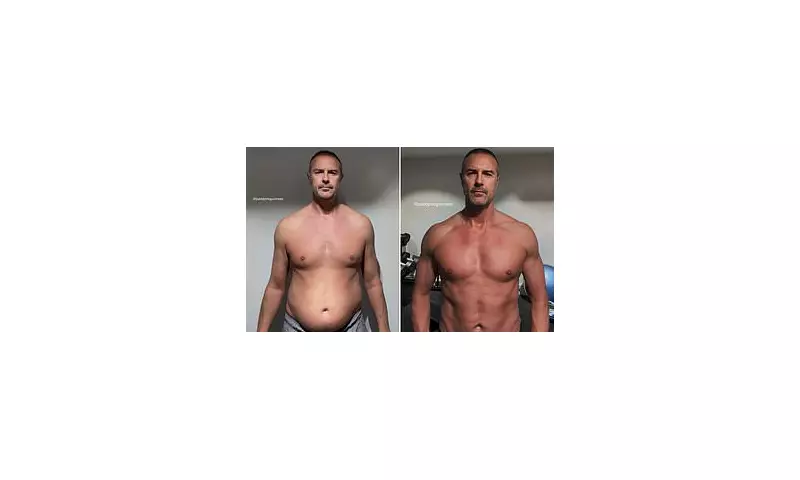
Fitness professionals across the UK are sounding the alarm over the popular 75 Hard fitness challenge, labelling it a potential 'recipe for burnout and injury'. This warning comes after television presenter Paddy McGuinness showcased a dramatic physical transformation attributed to the rigorous regime.
What is the 75 Hard Challenge?
The 75 Hard programme, created in 2019 by American entrepreneur Andy Frisella, is a high-intensity, military-style challenge that has surged in popularity as thousands adopt New Year's fitness resolutions. It mandates strict adherence to five non-negotiable daily rules for 75 consecutive days.
The core requirements include following a strict, 'clean' diet with no cheat meals, drinking a gallon (approximately 3.79 litres) of water, completing two separate 45-minute workouts (one outdoors), reading ten pages of non-fiction, and taking a daily progress photo. Crucially, failing any single rule means restarting the entire challenge from day one.

Celebrity Endorsement and Expert Concerns
Paddy McGuinness, 52, recently revealed his chiselled abdominal muscles on social media after completing the challenge, describing his results as 'amazing'. He admitted to overcoming a two-month binge-eating habit involving cakes, biscuits, and beer. 'It really is incredible what can be achieved in such a short period of time… if you've got the willpower,' he remarked.
However, experts argue that the programme's extreme nature poses significant health risks. Emma McCaffrey, a personal trainer and founder of Move With Emma, states that for many, especially women over 40, the regime is unsustainable and dangerous.
'Two 45-minute workouts a day with no rest leads to systemic inflammation and overuse injuries,' McCaffrey explained. 'For beginners, the musculoskeletal system hasn't adapted to handle such high volume. Without recovery, the body cannot repair muscle tissue, leading to chronic fatigue or stress fractures.'
Specific Health Risks Highlighted
Professionals have pinpointed several critical areas of concern regarding the 75 Hard challenge's rules:
Hydration Dangers: Personal trainer Rachael Sacerdoti warned that forcing a gallon of water daily is not suitable for everyone and can lead to hyponatraemia (water toxicity), a severe sodium deficiency that has caused hospitalisations.
Mental Health and Disordered Eating: The programme's rigid 'no cheat meals' rule and daily progress photos can foster an unhealthy relationship with food and body image. Sacerdoti cautioned it could breed orthorexia, an obsession with 'clean' eating.
Hormonal Impact: For women in midlife, the combination of extreme exercise and calorie restriction can spike cortisol levels. 'High cortisol is counterproductive – it leads to muscle wastage and weight gain around the midsection,' McCaffrey noted.
Real-world consequences have already emerged. Ireland-based influencer Aoife Clauson shared on TikTok that she ended up in the Emergency Department on day three of the challenge. Australian TikToker Mikayla Ann was forced to quit on day 18 after falling ill.
The Sustainability Problem
The overarching criticism focuses on the challenge's lack of long-term viability. Experts question what happens after the 75-day sprint concludes.
'What happens on day 76?' Sacerdoti asked. 'Progress made through extreme restriction and overtraining is often undone because no sustainable habits have been built.' She describes the 'restart' rule as creating toxic pressure and an all-or-nothing mindset, which can perpetuate a cycle of yo-yo dieting and fitness attempts.
Instead, McCaffrey advocates for a more measured approach: 'True, sustainable transformation doesn't come from a 75-day sprint. It comes from progressive overload on your own terms, in a way that is nourishing and realistic for your life.'
While the 75 Hard challenge can yield visible results for some, the consensus among fitness experts is clear: the potential risks of injury, burnout, and psychological harm make it an unsuitable and potentially dangerous choice for the general public seeking lasting health improvement.