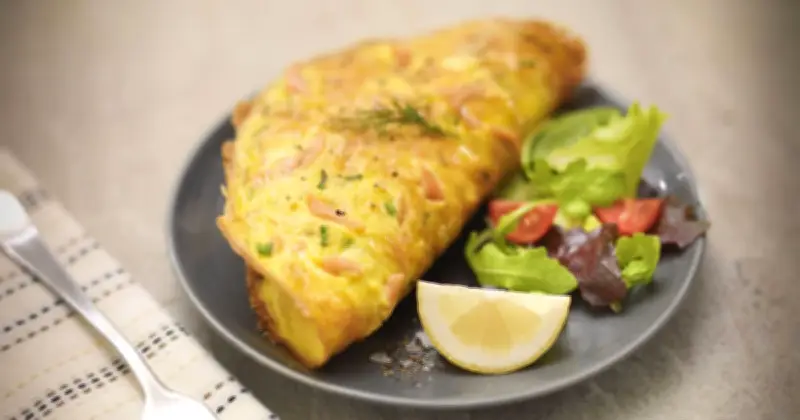
Making the perfect omelette can be challenging, but experts agree on one crucial step: whisking the eggs thoroughly before cooking. This simple technique ensures a light, airy texture and prevents a rubbery, dry result.
Why Whisking Matters
Henry O'Connor, an egg specialist and founder of Better Eggs, explained that properly beaten eggs produce a light and airy texture, while under-whisking is one of the most common mistakes people make. "A well-whisked mixture introduces air, creating the light, fluffy texture that separates a great omelette from a flop," he said. He also stressed the importance of seasoning your eggs at this stage to ensure a full, rich flavour throughout the finished dish.
Cooking Techniques from the Pros
When it comes to cooking, Henry recommends using a medium-low heat and allowing the eggs to "set gently so the omelette is tender and melt-in-the-mouth." He continued: "Quick cooking may be convenient, but it sacrifices texture." The egg enthusiast also championed butter over olive oil. "Melt until foamy, then pour in the eggs," he advised. "It should sizzle lightly, not aggressively."
Chef and restaurateur José Pizarro also recommends gentle whisking for a silky, natural consistency while warning against excessive beating. He said: "I whisk the eggs briefly, just enough to break them up. I like the texture, silky and natural, no over-whisking. I season at this stage with a pinch of salt so it dissolves properly."
He also shared his method for a "lazy omelette", which avoids folding or incorporating fillings into the egg mixture. He explained: "For my lazy omelette, I keep everything as simple as possible. I heat a small non-stick pan with a little olive oil. While it warms, I whisk the eggs lightly, nothing too vigorous. When the oil is hot, I pour the eggs in and let them set gently. Once it's cooked but still soft on top, I simply slide it straight onto the plate. That's the whole point of the lazy omelette: no folding, no fuss."
Recipes from Top Chefs
Sergio Martino, head chef at The Wesley in London, recommends lightly whisking your eggs until smooth but not overly frothy to achieve a light and tender omelette. He has shared a simple omelette recipe that includes seasonal mushrooms and Parmesan cheese.
Sergio Martino's Mushroom Omelette Recipe
Ingredients: Three eggs, extra virgin olive oil, fresh mushrooms (sliced), Parmesan cheese (grated), salt and pepper to taste.
Method: Start with the mushrooms: Heat a drizzle of extra-virgin olive oil in a non-stick pan and fry the mushrooms until golden and tender. Season to taste with salt and pepper. Whisk the eggs gently: Crack the eggs into a bowl and whisk until smooth but not overly frothy - this guarantees a light, delicate omelette. Cook on low heat: Pour the eggs into a lightly oiled non-stick pan over a medium-low heat. Allow them to set slowly, stirring occasionally for a soft, creamy texture. Add the cheese: Just before the eggs are fully set, sprinkle over the grated Parmesan to add a depth of richness and subtle nuttiness. Finish and fold: Once the omelette is mostly set but still slightly runny on top, fold it over the mushrooms and remove from the heat for a few seconds. This gives a soft, melt-in-the-mouth finish. Serve immediately: Enjoy while piping hot for the best flavour and texture.
Barry D'Arcy, a private yacht chef and founder of Ocean Earth Chefs, recommends using three lightly beaten eggs at room temperature. He explained: "When it comes to omelettes, technique matters rather than flair. A few simple steps can make the difference between rubbery and restaurant-quality. You will need three lightly beaten eggs at room temperature, a pinch of salt, a tbsp of creme fraiche and a tbsp of unsalted butter."
The instant the eggs hit the pan, Barry uses a spatula to gently sweep from the outer edges towards the centre, tilting the pan so that any liquid mixture flows back out to the edges. He added: "As the eggs start to set, add the salt and creme fraiche. You could also add your favourite fillings at this stage, such as grated cheese, herbs, spinach, or roasted peppers. Stop stirring, tilt the pan at a 45-degree angle with the spatula, and gently fold the omelette in half. This is a delicate process, so take your time. The colour should look glossy but without looking brown."
Martyn Nail, culinary director at The Dorchester Hotel, recommends beating eggs thoroughly with a large fork or whisk before seasoning with salt and pepper to taste. He said: "Heat the pan and add 5g of fresh salted butter until it starts to foam, but make sure it does not burn. Pour the egg into the pan and allow it to sit for 30 seconds; this will start to form a shell in the pan. Next, remove the eggs from the heat and briskly work the shell using the large table fork." The chef noted that the fork "is part of the skill - it allows you to stir the egg quickly without scratching the pan while creating a creamy, soft, almost scrambled egg mix."
Michelin-recognised chef Simon Bonwick, who also runs The Crown at Bray, similarly recommended whisking the eggs with a fork before adding the mixture to the pan.
Simon Bonwick's Omelette Recipe
Ingredients: Three large, high-quality eggs (beaten with a fork), one splash of cream, one generous knob of butter, salt and pepper to taste, one large sliced thin woodland cep.
Method: Mix the beaten eggs, cream, butter, salt, and pepper together in a bowl. Heat your pan with a light coating of oil until piping hot. Cook the finely sliced cep until it releases its distinctive fragrant aroma. Turn up the heat and stir the egg mixture vigorously with a fork. Allow the omelette to set for just a moment over a low, steady flame. The colour is entirely down to your personal preference at this point. Leave the centre slightly underdone, bearing in mind that it will carry on cooking once turned out onto the plate, steaming hot. A medium-rare consistency will feel just perfect. He recommends serving your omelette immediately, accompanied by a glass of Aligoté or a crisp, fruity Viognier.
Mehak Kansal, chef, author and founder of Bindas in Mayfair, avoids cream or milk in her omelettes, choosing instead an extra egg to enhance richness and masala for a bold, punchy flavour. She whisks two to three eggs in a bowl, before adding a handful of sharp mature cheddar, half a finely diced red onion, a few sliced cherry tomatoes, one or two chopped green chillies, a pinch each of chilli powder, ground cumin, and turmeric, along with salt, pepper, and a generous handful of freshly chopped coriander. In a frying pan, she warms a hearty spoonful of ghee over a medium heat until it becomes glossy and fragrant. She then pours in the egg mixture, allowing it to cook for several minutes until the base becomes golden and crispy. Folding it over with care, she cooks the other side until it is just cooked through and golden in colour.