A recent YouGov survey revealed that 65% of UK adults struggled to sleep during June's mammoth heatwave, with 48% losing three or more hours each night. While July's hot weather is not predicted to reach the extreme highs the UK witnessed last month, parts of Southern England are still experiencing scorching temperatures. With a week of tropical nights ahead, temperatures are expected to stay well above 20°C even after dusk, meaning many more sweaty, sleepless nights are likely.
Going a few days without sufficient shut-eye may not seem like a big deal. However, according to experts, any amount of missed sleep can start a 'ripple effect' of physiological responses, increasing in severity the longer you are awake. Dr David Garley, director at The Better Sleep Clinic, told Metro that the way your body reacts to sleeplessness throughout the day depends on your chronotype – when you tend to be most alert and productive. 'A night owl would feel this more in the morning, whereas a lark might feel it more in the evening,' he said.
First Thing in the Morning
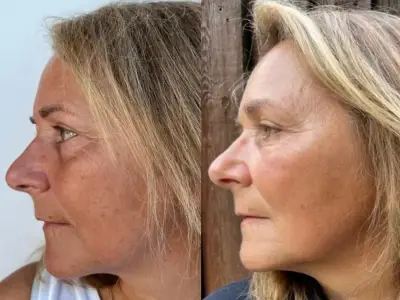
When your alarm goes off after a night spent staring at the ceiling, Dr Hana Patel, NHS GP and resident sleep expert at Time4Sleep, said 'you'll likely feel immediately unrefreshed.' 'Despite being exhausted, you might also feel a little jittery or stimulated as your body tries to force you into wakefulness,' she told Metro. 'Sleep deprivation can also impact your appearance, so you might have more hanging eyelids, red and swollen eyes, dark circles and wrinkles around the eyes, or droopier corners of the mouth.' According to Dr Garley, 'blunted' cognition and an 'emotionally slightly friable' feeling tends to be worse for night owls in those first few hours of the day.

One Hour Into Your Day
'One hour after your usual wake time, your cortisol levels will rise sharply as the body interprets lack of sleep as a threat to stability, giving you a temporary sensation of alertness driven by stress,' explained Dr Patel. 'Cortisol – also known as the “stress hormone” – normally peaks an hour after waking up no matter the quality of your sleep, but this is typically worsened by bad sleep. Elevated cortisol is linked to heightened anxiety and reduced immune function, and can even lead to insomnia if it persists.'
Mid-Morning
At this point, Dr Garley said many are comfortably into the day phase of the circadian rhythm, which can support function despite poor sleep. 'Mood and cognition can improve, along with energy levels,' he noted. That said, others may find the opposite is true, instead experiencing reduced focus levels and memory, problem-solving, and emotional capabilities. 'This is because cognitive functions are impaired after a sleepless night, causing you to experience brain fog,' said Dr Patel. 'Due to low energy, your physical strength and energy levels will typically be lower too, with a slower reaction time.'
Lunchtime
'Poor sleep affects the hormones leptin and ghrelin, and this works to increase your appetite,' said Dr Garley. 'This might mean you have a bigger lunch, perhaps more carb craving.' However, he added that it is important to resist your most ravenous impulses, as the natural midday dip in most people's circadian rhythms does not pair well with a carb-heavy meal and 'could make for some quite significant drowsiness.'
What to Do After a Bad Night's Sleep
Dr Ravi Lukha, medical director at Bupa UK Insurance, offered advice on how to approach the day after a sleepless night.
Step Away from Excess Caffeine
'Don't load up too much on caffeine throughout the day, regardless of how tired you feel,' Dr Lukha told Metro. 'If you are taking on caffeine, space it out and try to avoid drinking it after midday, as that can affect sleep that evening.'
Fuel Yourself Wisely
The doctor explained: 'When your blood sugar regulation is fluctuating more than usual, it's common to crave stodgy, sugary foods. Try to opt for food that can help reduce fatigue, instead. Fruit, vegetables, wholegrains and foods containing lots of omega-3 fatty acids – like fish, seeds and nuts – may help give you a healthier boost and avoid consuming excess sugar that could leave you feeling crashed out.'

Introduce Movement
While a workout probably feels like the last thing you fancy when you are shattered, Dr Lukha said 'it can actually help bring your circadian rhythm back into regularity.' He recommended a walk or run outside, as 'sunlight sends signals to your brain to tell you that you should be awake.'
Be Nap Savvy
'Napping has been proven to help you feel less sleepy, less grumpy and less forgetful – but only under the right conditions,' added Dr Lukha. 'This means only napping for between 10 and 20 minutes.'
Mid-Afternoon
As the day continues and the circadian rhythm slump is over, Dr Garley said you may 'get a second wind', with your mood, productivity and energy picking up. But as Dr Patel also noted, at the five to eight-hour mark after you would normally have woken up, you might go through episodes of 'microsleep', which is an involuntary and very brief intrusion of sleep. While this usually only lasts a few seconds, it can be especially dangerous if you are driving or using heavy machinery. 'Sleep deprivation can also affect your emotional state, leaving you more irritable, impatient, depressed, or anxious,' she continued. 'The amygdala, responsible for processing emotions, becomes more reactive after a sleepless night, so smaller stressors feel bigger, often leaving people overwhelmed and more sensitive than usual.'
The Rest of the Day
Dr Patel said: 'As fatigue accumulates into the afternoon and evening, motivation and concentration generally decline further. It can be tempting to try to nap to combat the tiredness; however, this can be counterproductive and can impact your ability to sleep well when you do go to bed.' Rather than napping, he recommended waiting until your regular bedtime so you can recover your normal sleep cycle, as well as trying to avoid processed or salty foods, as these can cause you to feel more fatigued. This evening decline is probably more likely for morning larks, said Dr Garley, whereas night owls 'might start feeling themselves a bit more'. Either way, he highlighted the importance of not putting things in the spotlight too much, as this 'can lead to higher amounts of stress and worry than might be justified.' Dr Garley continued: 'This worry can actually be what disrupts your sleep further, and lead to more consistent problems with sleep. The best thing you can do when sleep deprived is to be kind to yourself, try to keep your day as typical as you can, and avoid the urge to go to bed too early the following night, as this can sometimes throw off your natural rhythm.'
How to Sleep Better in the Heatwave
If you are keen to avoid any more sleepless nights, there are a few things you can do to try and stay cool. For starters, sleep expert James Wilson (aka The Sleep Geek) told Metro that while keeping the windows in your bedroom open might be fairly obvious if the room is warm, keeping your room door open and windows in other rooms of your home will also allow more air to flow around the space. And while it might be tempting to indulge in a freezing cold shower before bed, Dr Nerina Ramlakhan, sleep expert, physiologist and author, urged you to think twice. 'A shower or bath before bed can help lower your core body temperature, especially if you get your head or hair wet,' she said. 'Just be sure it's not too cold – extreme temperatures can be stimulating.' To avoid this slip up, James suggested you 'put lukewarm water in a hot water bottle and place the soles of your feet on it. This will raise your temperature slightly and then it will drop, helping your body prepare for sleep.' If you still find yourself struggling, try popping your bed sheets and pillowcases into sealed plastic bags and put them in the freezer for a few minutes before bedtime.