New York City has taken emergency measures after at least 46 people were diagnosed with Legionnaires' disease in an outbreak centered on Manhattan's Upper East Side. Health officials warned that more cases could still emerge because symptoms can take between two and 14 days to develop after exposure.
Current Status of Cases
Of the 46 confirmed cases, 22 people remain hospitalized, 19 have been discharged and are recovering at home, and five were treated without needing hospital care. No deaths have been reported.
The outbreak investigation began on July 2 after two linked cases were identified in the Upper East Side. Since then, more than 180 cooling towers have been sampled, with additional testing continuing over the weekend.

Cooling Towers Test Positive
As part of the investigation, New York City officials released a preliminary list of 31 buildings whose cooling towers tested positive for Legionella bacteria during initial screening. Owners have been ordered to immediately clean and disinfect the cooling towers while further testing is carried out.
However, officials stressed that a positive PCR test does not confirm a building as the source of the outbreak, as the screening cannot determine whether the bacteria detected are alive. Culture testing, which takes up to two weeks, will establish whether live Legionella bacteria were present.
Public Health Advice
Authorities have sought to reassure residents that it remains safe to drink tap water, shower, and use air conditioners in the affected neighborhoods, adding there is no additional risk from simply being inside any of the buildings listed.
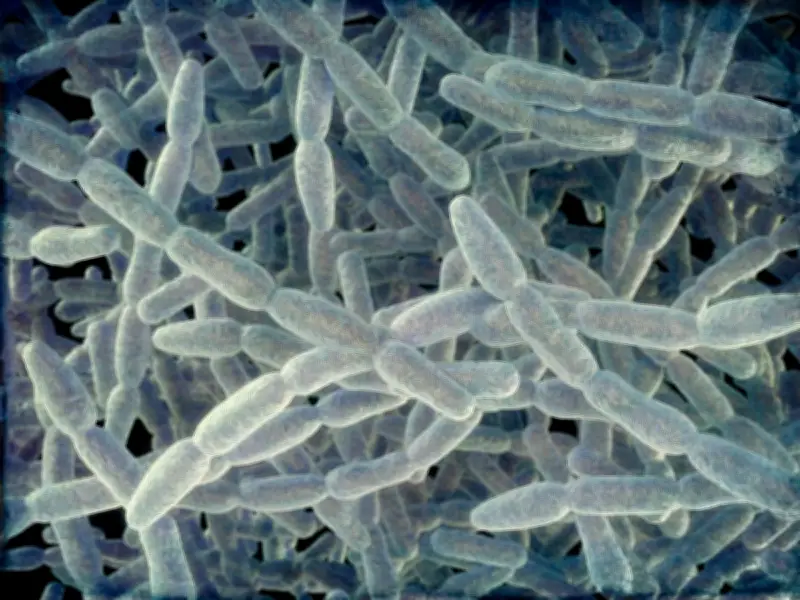
Legionnaires' disease is a serious form of pneumonia caused by Legionella bacteria, which spreads through tiny droplets of contaminated water. It is not transmitted from person to person. People aged over 50, smokers, those with chronic lung disease, and people with weakened immune systems are considered most at risk.