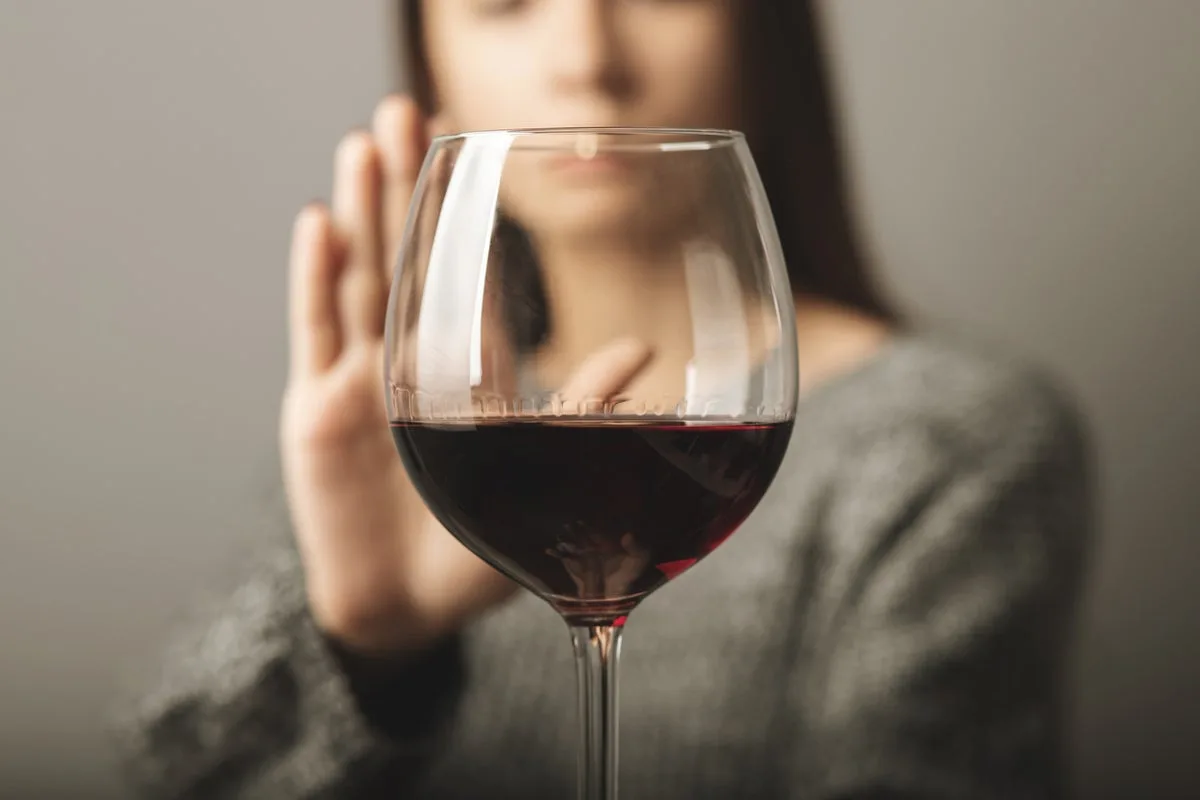
While Dry January is often promoted as a chance to detoxify the liver, improve sleep, and save money, many participants find the most striking transformations occur in their skin. Skin experts highlight alcohol's significant effects on hydration, inflammation, sleep quality, and the skin barrier, which collectively dictate skin's appearance as we age.
One of the most surprising aspects of cutting alcohol is how quickly the skin reacts. According to Gina Baker, skincare specialist at Germaine de Capuccini, early changes appear within days. 'By the end of the first week, the skin begins to look fresher. The finer dehydration lines start to fill out as the skin becomes plumper and more hydrated,' she explains. 'By the second week the skin looks and feels less sensitised and the high colour begins to dissipate.' That 'high colour' – persistent redness across cheeks and nose – is often alcohol-related inflammation.
Consultant dermatologist Dr Conal Perrett at The Devonshire Clinic notes that this calming effect is one of the earliest improvements his patients report. 'Alcohol causes dehydration and inflammation, so when it's removed, the skin often looks less dull, less puffy and more even within just a few days to a couple of weeks,' he says. 'Redness around the cheeks and nose can also settle quite quickly and many patients comment that their skin simply looks “brighter” and more rested.'

Alcohol actively interferes with the body's ability to regulate water, affecting the skin barrier. Baker explains: 'Alcohol disrupts the hormones that regulate water loss, and of course, it's also a diuretic, which leads our skin to become extremely thirsty-looking and dull.' When alcohol is removed, hydration levels stabilise and the barrier repairs itself, reducing sensitivity, flakiness, and irritation, leading to smoother texture and a healthier complexion.
Around the four-week mark, many notice the most dramatic difference, particularly in facial structure. 'A month after giving up alcohol is really when you notice the difference,' says Baker. 'Eyes become less puffy and dark. The cheekbone and the jawline become more defined due to the lack of puffiness. The face becomes dewy and glowing.' This shift is due to reduced fluid retention, as alcohol encourages the body to hold onto water, particularly in the face. Quality sleep also improves, aiding skin regeneration.
For those with persistent skin conditions like acne or rosacea, cutting alcohol can be cumulative. 'Alcohol increases inflammation, disrupts hormones and dilates blood vessels, all of which can exacerbate acne and rosacea,' says Perrett. 'Over time, reducing or eliminating alcohol can significantly calm inflammatory skin conditions.' Pigmentation may also improve as the skin's repair cycle functions more efficiently. While alcohol contributes to oxidative stress and collagen breakdown, removing it won't reverse ageing, but it can slow visible signs.