Major Bird Flu Vaccine Trial Launches in UK and US
Thousands of individuals across the United Kingdom are poised to receive a pioneering bird flu vaccine in the coming weeks, as health authorities intensify preparations for a potential global pandemic. This significant government-supported initiative will involve 4,000 participants from both the UK and the United States, who will be vaccinated against the H5N1 avian influenza strain under the rigorous oversight of the National Institute for Health and Care Research.
Addressing a Growing Threat
The H5N1 virus, while not yet easily transmissible between humans, is rapidly evolving and spreading among animal populations. Experts are issuing stark warnings that human-to-human transmission must now be considered a genuine possibility. Dr Rebecca Clark, an infectious disease specialist serving as the trial's national co-ordinating investigator, emphasised the urgency: 'We know the H5N1 strain is evolving across animal species, and now we have to treat human-to-human transmission as a real possibility. This trial is our proactive attempt to shield against that possibility and any future pandemic that could emerge from it.'
The primary objective of this extensive seven-month study is to evaluate the effectiveness of the vaccines and determine their potential to safeguard populations against future influenza pandemics. Approximately 3,000 UK participants will receive the jabs across 26 sites in England and Scotland, administered as two doses spaced three weeks apart, with some receiving a placebo for control purposes.

The Science Behind the Vaccine
Developed by Moderna, the mRNA-1018 vaccine employs innovative messenger RNA technology. It works by instructing the body to produce proteins related to the virus, thereby training the immune system to recognise and combat the pathogen should an infection occur. While these antibodies do not prevent the virus from entering the body, they trigger other cells to initiate a defensive response, significantly strengthening the body's ability to fight off the illness.
This enhanced immune response could potentially lead to less severe symptoms in individuals infected with bird flu. Dr Hiwot Hiruy, Senior Director of Clinical Development at Moderna, reported that early trials have detected an immune response as soon as seven days after the initial injection, with no significant safety concerns identified thus far.
Expert Consensus on Pandemic Preparedness
Leading infectious disease experts have voiced strong support for the trial, highlighting critical gaps in current pandemic preparedness. Professor Paul Hunter from the University of East Anglia noted: 'There is always a concern that avian influenza could at sometime in the future trigger a pandemic. Current vaccines against the virus are generally not as effective as vaccines against other influenza types - so a new vaccine could help reduce the possibility of a pandemic.'
He specifically pointed to poultry workers, who face elevated infection risks even without a human epidemic, as primary beneficiaries of an improved vaccine. Professor Ed Hutchinson from the University of Glasgow elaborated on the strategic importance: 'The virus is constantly mutating, so our pandemic plans for H5N1 require us to be ready to prepare vaccines against a moving target. Establishing mRNA vaccines for H5N1 could be very important in a pandemic response - partly because of the strong protective responses that these vaccines can induce but also because they can be very rapidly 'fine-tuned' to match a specific strain and then manufactured at scale.'
The Global Context of H5N1
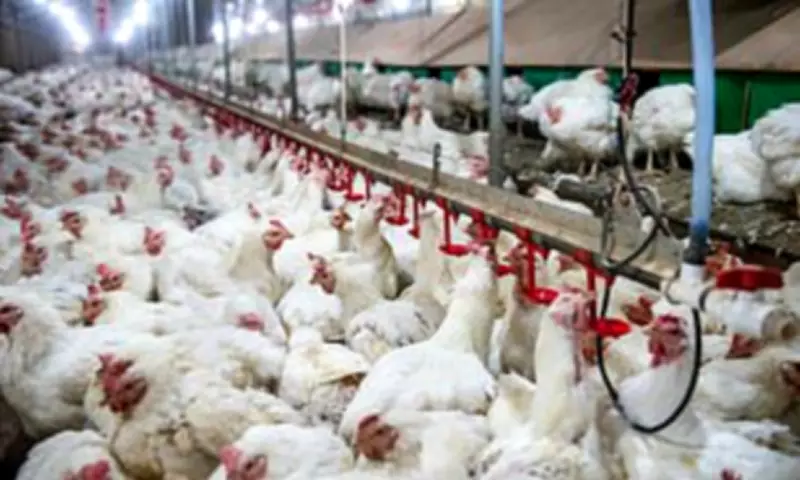
The H5N1 strain has wrought devastation across global bird populations since 2020, resulting in the deaths of millions of farmed and wild birds. The virus has also infected numerous mammalian species, including lions, seals, foxes, cats, dogs, and dairy cattle in both the US and Europe. Within the UK alone, unprecedented outbreaks on poultry farms have necessitated the culling of over five million birds over the past four years.

Human infections remain concerning, with at least 1,000 cases reported since the virus was first detected in the 1990s, nearly half of which proved fatal. Since the beginning of 2024, 116 confirmed human cases have been documented worldwide, predominantly linked to close contact with infected animals.
Official Warnings and Strategic Response
Health officials are maintaining vigilant surveillance as experts caution that the virus could potentially trigger a human epidemic. Dr Richard Pebody, Director of Epidemic and Emerging Infections at the UK Health Security Agency, stated: 'We clearly don’t know when the next pandemic is going to be, we obviously don’t know what it’s going to be caused by, but what we do know is that a flu pandemic is the most likely future pandemic. This important initiative to trial a new mRNA pandemic influenza vaccine is a key step towards further strengthening our ability to protect people against future influenza pandemics.'
Professor John Tregoning, a vaccine expert at Imperial College London, drew a compelling analogy: 'A good comparison is seat belts, you don’t want to have to use one in an emergency, but you would be grateful that you have it if you do. The same goes for vaccines for pandemic viruses, it is better not to have a pandemic, but if one emerges, it is better to be prepared.' He highlighted that conducting large-scale human trials now enables a more rapid response should the virus begin spreading among humans in the future.
The trial methodology has received endorsement from independent experts, who note the substantial sample size and robust design should provide crucial data about immune response induction. As the world continues to grapple with the lingering effects of COVID-19, this proactive vaccine trial represents a critical investment in global health security against an evolving avian influenza threat.