The remarkable scientific triumph of mRNA vaccines during the Covid-19 pandemic now faces an uncertain future, jeopardised by a dramatic political shift in the United States. Despite proving their efficacy and earning a Nobel Prize for their pioneers, this groundbreaking technology is under direct threat from the second Trump administration's anti-science agenda.
The American Retreat from a Scientific Triumph
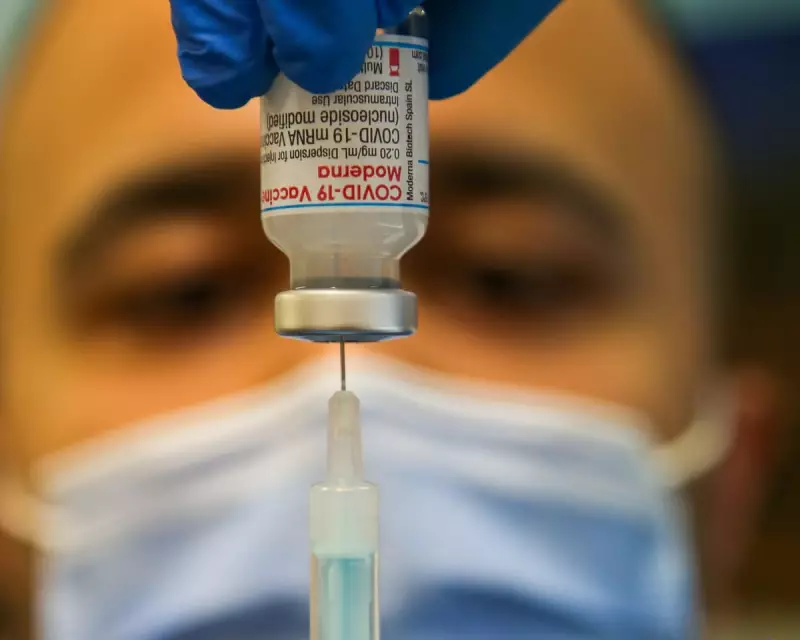
The rapid development of Covid-19 vaccines was a testament to what science can achieve when bureaucratic constraints are relaxed. The work of Katalin Karikó and Drew Weissman led to a Nobel Prize and offered a new paradigm: using synthetic genetic code to train the immune system. The US invested over $10bn into building the infrastructure for this success, positioning itself as the global leader.
However, that leadership is being deliberately dismantled. Under Health Secretary Robert F Kennedy Jr, the administration has launched a sustained campaign against the technology it helped create. This summer, the Department of Health and Human Services initiated a "coordinated wind-down" of federal mRNA funding, cancelling an additional $500m for 22 research projects.

This reversal is devastating for a field that depends on long-term, stable investment. It signals that Washington has become an unreliable partner, willing to abandon projects after others have committed heavily. The harm is twofold: it cripples the development pipeline and, when federal agencies slow approvals or stop recommendations, it severely undermines public confidence. Falling vaccination rates in the US are a clear and present consequence.
The Next Frontier: Flu, Cancer, and Political Conflict
While mRNA vaccines proved their worth against Covid, their potential extends far beyond. The scientific infrastructure is now focused on adapting the technology for other major diseases, including flu, HIV, and cancer. Hundreds of candidates are in clinical trials.
Early successes are already evident with seasonal flu. Traditional flu jabs are slow to produce and often offer limited protection, sometimes as low as 30%. Recently developed mRNA flu vaccines from Moderna and Pfizer have significantly outperformed standard jabs in final-phase trials. This sets up a critical political clash: decisions on US approval for these new flu vaccines are expected in early 2026 and will rest with the FDA's Center for Biologics Evaluation and Research, run by Kennedy ally Vinay Prasad. A negative decision would confirm the administration's full commitment to its anti-mRNA crusade.
Ironically, the most ambitious work on personalised cancer vaccines has so far escaped the administration's notice, largely because these therapies are not viewed as traditional "vaccines." This area remains a beacon of progress, driven by the huge potential market.
A Global Responsibility for a Global Technology
It will take more than a mercurial US president to completely destroy American advantage, given that nearly 75% of global mRNA manufacturing is US-based. However, researchers are alarmed and are threatening to take their work elsewhere. The European Union and the United Kingdom now have a critical role to play in securing the technology's future.
The EU has made initial moves, with the European Commission proposing €500m and France pledging another €100m to recruit disaffected US scientists. While this is only a fraction of the cuts enacted by President Trump, the forthcoming EU Biotech Act could prioritise making Europe the world's pre-eminent mRNA centre.
The UK, as a major vaccine research power, must also seize this moment. With existing facilities and expertise in mRNA cancer therapies, the country has the foundational knowhow to build upon. Its ambitions for vaccine self-sufficiency could expand to fill the void left by American retreat.

The development of mRNA was always a global project, even if the US underwrote much of its early success. With a second generation of vaccines emerging and promising long-term programmes in need of support, the rest of the world must now see it through. As long as Kennedy sets US health policy, American mRNA research will operate in a hostile environment. The responsibility to advance this lifesaving technology has decisively shifted across the Atlantic.