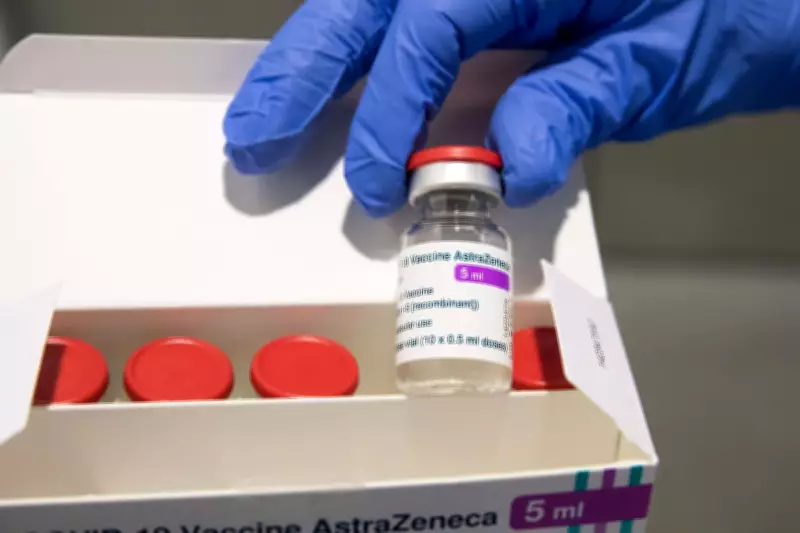
Scientists have made a significant breakthrough in understanding the cause of rare blood clots linked to certain COVID-19 vaccines, specifically those based on adenovirus technology such as the AstraZeneca jab. This condition, known as vaccine-induced immune thrombocytopenia and thrombosis (VITT), has puzzled medical experts since it emerged during the pandemic.
Understanding VITT and Its Mechanism
VITT is a rare but serious condition where the immune system mistakenly attacks platelet factor 4, a protein involved in blood clotting. This leads to the formation of unusually sticky antibodies that create large protein clusters, resulting in dangerous blood clots. The discovery comes from an international team of researchers who have been investigating the underlying causes of this phenomenon.
Key Findings from the Research
The scientists found that VITT antibodies share a distinctive pattern, originating from antibodies that recognise an adenoviral protein called protein VII. A rare genetic mutation in these antibodies causes them to gain the ability to bind very strongly to platelet factor 4, which in turn triggers the blood clotting process. This insight provides a clear biological explanation for why VITT occurs in a small subset of individuals.

According to the study, VITT is exceptionally rare because it requires two unlikely events to coincide: inheriting a specific immune gene variant and a rare mutation occurring in an antibody-producing cell that is responding to the adenovirus component of the vaccine. This dual requirement explains why only a tiny fraction of vaccine recipients are affected.
Implications for Future Vaccine Development
This understanding is crucial for modifying future vaccines to enhance safety. By identifying the genetic and molecular pathways involved, researchers can work on designing adenovirus-based vaccines that minimise the risk of such adverse effects. The findings also highlight the importance of ongoing surveillance and research into vaccine safety, ensuring that public health measures remain robust and trustworthy.
While VITT has been a concern, it is important to note that the benefits of COVID-19 vaccination in preventing severe illness and death far outweigh the risks of rare side effects. This new knowledge will help in better managing and preventing such conditions in future immunisation campaigns.