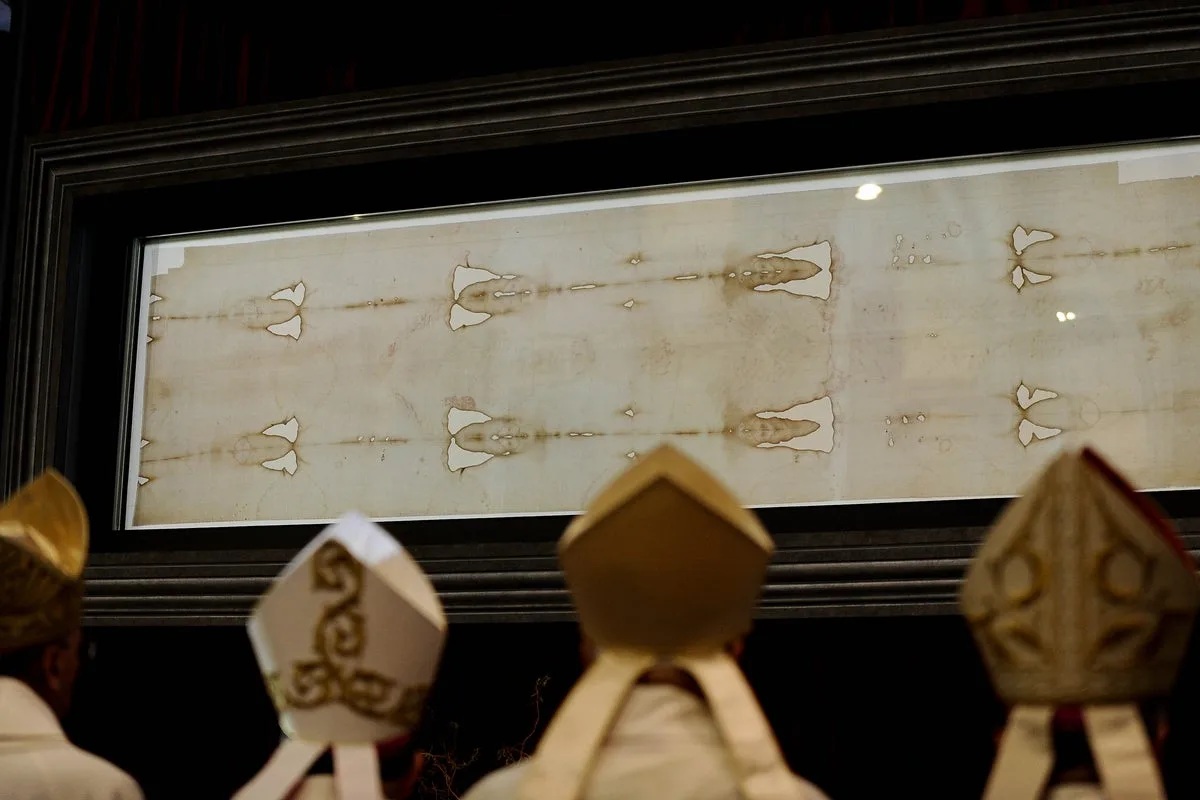
Shroud of Turin May Have Indian Origins, DNA Analysis Reveals
Shroud of Turin DNA Suggests Indian Origin

New scientific research suggests the Shroud of Turin, one of Christianity's most debated relics, may have origins tracing back to ancient India. A comprehensive DNA analysis of material collected from the linen fabric indicates that approximately 40 per cent of human genetic traces found on the shroud come from Indian lineages.

Genetic Evidence Points to Indus Valley Connection

Researchers from the University of Padova, led by Gianni Barcaccia, have conducted detailed genetic examination of samples taken from the shroud in 1978. Their findings, published in a pre-print study on Bioarxiv, reveal that the yarn used to create the fabric likely originated from regions near the Indus Valley in what is now modern-day India and Pakistan.

The study notes: "Analysis of the DNA traces found on the Shroud of Turin suggests the potentially extensive exposure of the cloth in the Mediterranean region and the possibility that the yarn was produced in India." This represents a significant development in understanding the artifact's complex history.

Wide Pickt banner — collaborative shopping lists app for Telegram, phone mockup with grocery list

Multiple Contaminants Reveal Complex History

The genetic investigation identified a diverse range of biological material that has accumulated on the shroud over centuries. Beyond human DNA, researchers detected genetic traces from numerous animals including domestic species like dogs, cats, chickens, cattle, goats, sheep, pigs, and horses, as well as wild animals such as deer and rabbits.

Plant material was also abundant, with DNA from carrots, peppers, tomatoes, potatoes, and various wheat species present on the fabric samples. The presence of skin bacteria including Cutibacterium and Staphylococcus further confirms extensive human handling of the relic throughout its history.

Historical Context and Limitations

The Shroud of Turin, measuring approximately 4.4 meters long and 1.1 meters wide, first appeared in historical records in France in 1354. Currently housed in the Cathedral of Saint John the Baptist in Turin, Italy, the linen cloth is traditionally believed by some Christians to have been used to wrap the body of Jesus Christ after crucifixion.

Researchers emphasize that the multiple human contacts with the shroud over time make identifying any potential "original DNA" extremely challenging. The study states: "The presence of 38.7 per cent of the overall human genomic data from Indian lineages is unexpected and is potentially linked to historical interactions associated with importing linen or yarn from regions near the Indus Valley."

This could indicate either direct production of the fabric in India or subsequent historical interactions that introduced Indian genetic material to the artifact. The researchers suggest this might relate to Roman-era trade networks that imported linen from the Indus Valley region.

Scientific Significance and Future Research

While the DNA analysis provides new insights into the shroud's geographical connections, it does not help determine the age of the artifact itself. The researchers acknowledge this limitation while emphasizing the importance of their findings.

"Overall, our prior and present findings provide valuable insights into the geographic origins of individuals who interacted with the Shroud throughout its historical journey across various regions, populations, and eras," the scientists wrote. They added: "Genetic and microbial evidence discloses a complex history of the Turin Shroud, reflecting interactions with a diverse array of individuals."

The study concludes: "Nevertheless, our findings constitute a novel and significant contribution to the field, thoroughly elucidating the biological traces left by centuries of social, cultural, and ecological engagement." This research adds another layer to the ongoing scientific investigation of one of the world's most examined religious artifacts.

Pickt after-article banner — collaborative shopping lists app with family illustration




