
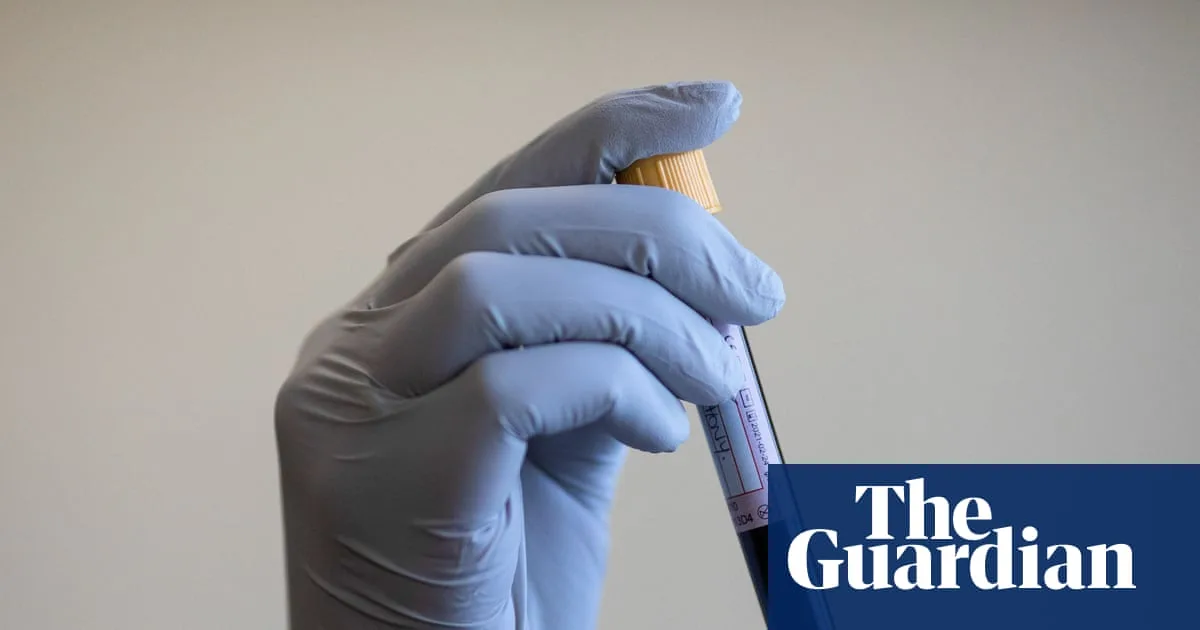
Thousands of cancer patients in England are set to benefit from a groundbreaking DNA blood test that fast-tracks them onto personalised treatments. The NHS is the first healthcare system in the world to adopt a 'blood test-first' approach, initially offering the liquid biopsy to patients with lung and breast cancer, two of the most common forms of the disease.
The test detects tiny fragments of tumour DNA in the blood, providing rapid results that allow doctors to match patients with drugs specifically tailored to their tumour's genetic profile. This can significantly increase survival chances and marks a new era of precision medicine, often enabling patients to avoid more intensive treatments like chemotherapy.
After successful pilots, at least 15,000 patients with suspected lung cancer and 5,000 with advanced breast cancer are expected to benefit each year. An economic assessment showed the test could save the NHS £11 million annually in lung cancer care alone.
Professor Peter Johnson, NHS England’s clinical director for cancer, said: 'Liquid biopsies are leading us into a new era of personalised cancer care. Cutting-edge genomic testing is helping us deliver more targeted and kinder care for patients, enabling some to avoid further chemotherapy.'
The pilots revealed that some patients received DNA test results 16 days earlier than with standard tissue biopsies, which are invasive and painful. The new approach also helped patients avoid repeat diagnostic procedures and unnecessary side effects.
The NHS plans to extend the liquid biopsy to other cancers, including pancreatic and gallbladder cancer. Professor Dame Sue Hill, chief scientific officer for England, described the rollout as 'a real step-change in care' that harnesses genomic technological advances to deliver groundbreaking treatment.




