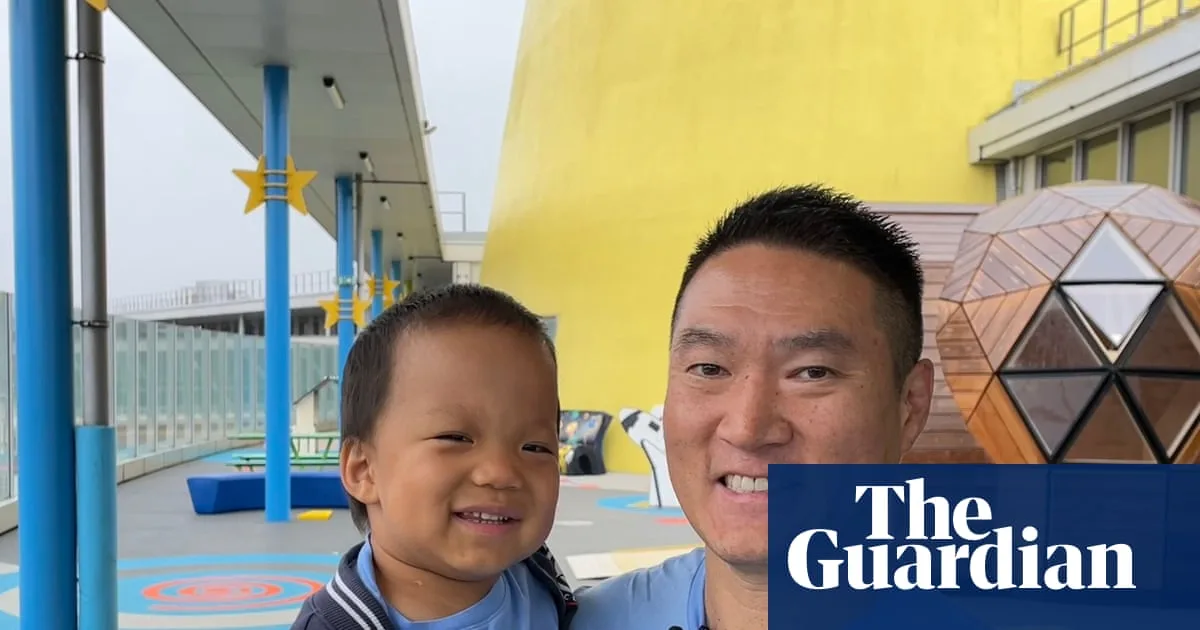
A three-year-old boy from California has become the first patient to receive a groundbreaking gene therapy for Hunter syndrome, as part of a clinical trial run by researchers in Manchester. Oliver Chu underwent the one-off treatment nine months ago, and doctors are cautiously optimistic about his progress.
Hunter syndrome is a rare inherited disorder caused by a faulty gene that prevents the body from producing an enzyme needed to break down complex sugar molecules. Without treatment, these molecules accumulate in organs and tissues, leading to joint stiffness, hearing loss, heart problems, and cognitive decline. Life expectancy is typically 10 to 20 years.
The only licensed drug for the condition, Elaprase, costs around £375,000 per patient per year and must be taken for life. However, it does not reach the brain, so it cannot prevent cognitive decline. In the new therapy, doctors collected stem cells from Oliver's blood, replaced the faulty gene with a working copy, and infused the corrected cells back into his bloodstream. The cells now produce high levels of the enzyme, which also reaches his brain.
Since the therapy, Oliver no longer needs weekly Elaprase infusions. His father, Ricky, told the BBC: 'His life is no longer dominated by needles and hospital visits. His speech, agility and cognitive development have all got dramatically better.' Professor Simon Jones, joint leader of the trial at the Manchester Centre for Genomic Medicine, said: 'Things look really hopeful right now, but Ollie was the first human to receive this therapy and it's only been nine months out.'
The trial, run from Royal Manchester Children's Hospital, involves five boys from the US, Europe, and Australia. None are from the UK because patients are not diagnosed early enough. Professor Jones noted that newborn screening, standard in the US, would allow more patients to benefit. The same gene therapy approach is now being developed for other genetic disorders, such as Hurler syndrome and Sanfilippo syndrome.