
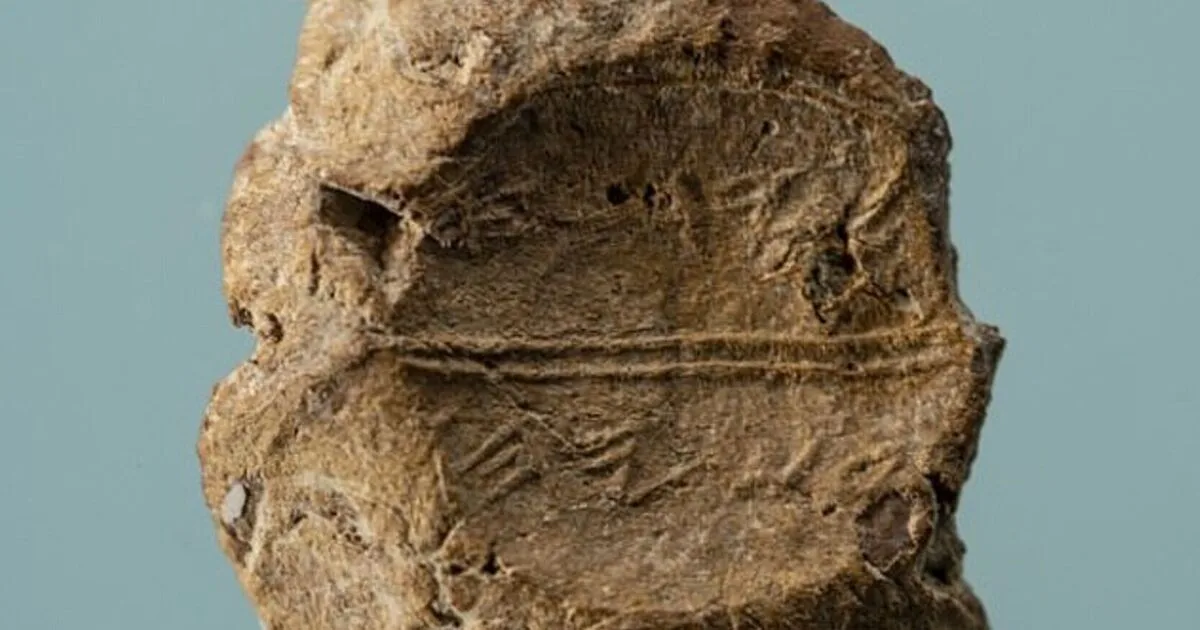
Archaeologists in Jerusalem have unearthed a clay seal dating back 2,600 years to the First Temple period, inscribed with the name 'Yeda’yah (son of) Asayahu'. The seal, known as a bulla, also bears a fingerprint likely belonging to its original owner.
The name Asayahu appears in the biblical account of King Josiah of Judah, who initiated religious reforms after the discovery of a sacred scroll in Jerusalem. Asayahu is described as 'the king’s servant', and his son Yeda’yah would have been a high-ranking official in the royal court or Temple administration.
While the discovery provides potential evidence linking to biblical figures, co-director Zachi Dvira cautioned that it is not certain the Asayahu on the seal is the same as the one in the Bible. However, he noted that several similar artefacts from the Temple Mount area bear biblical names, suggesting they were not used by common people.
The seal was likely used to secure bags or other items, as indicated by marks on its back. The style of script places it between the late 7th and early 6th century BC, aligning with the period when King Josiah ordered repairs to the Temple, which was later destroyed by the Babylonians in 586 BC.
During the Babylonian siege, food supplies from royal and Temple storehouses were sealed with clay stamps bearing the names of responsible officials. This newly discovered seal serves as physical evidence of that practice and offers a tangible link to the biblical narrative.




