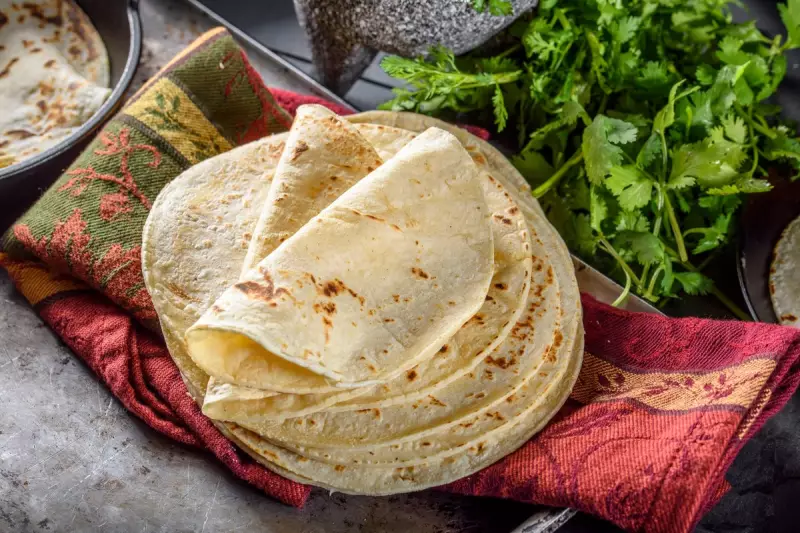
A significant new public health regulation is set to change the recipe for a staple food across California from the start of 2026.
What the New California Law Requires
From 1 January 2026, a state law known as AB 1830 will come into force, compelling manufacturers to add a vital nutrient to corn masa flour. This flour is the primary component of corn tortillas, a dietary cornerstone for many communities. The legislation specifies precise fortification levels: 0.7 milligrams of folic acid per pound of corn masa flour and a slightly lower 0.4 milligrams per pound for wet corn masa products.
This move extends a long-standing US policy. Since 1998, federal rules have required the addition of folic acid to enriched grain products like pasta, rice, and breakfast cereals. The new California law closes a notable gap by including corn masa flour, which was previously exempt from these national standards.

Targeting a Critical Public Health Gap
The driving force behind Assembly Bill 1830 is a stark disparity in maternal health outcomes. State health data reveals that Latina women in California are the demographic least likely to consume adequate folic acid during the early stages of pregnancy. This nutrient is crucial for foetal development, particularly in the first few weeks, often before a woman knows she is pregnant.
Sufficient folic acid intake can have a dramatic impact. It is proven to reduce the risk of serious birth defects of the brain and spine, known as neural tube defects, by up to 70 percent. By fortifying a widely consumed food product within the Latino community, lawmakers aim to passively boost intake and protect infant health.
Implications and Looking Ahead
The enactment of this law represents a targeted approach to public health policy, using food fortification to address a specific nutritional shortfall in a key population group. It underscores the importance of reviewing and updating existing regulations to ensure they are inclusive of all dietary patterns.
For consumers, the change will be seamless—the taste and texture of tortillas are not expected to alter. For public health officials, it is a proactive step expected to lead to a measurable decrease in preventable birth defects, promoting healthier outcomes for future generations in California.