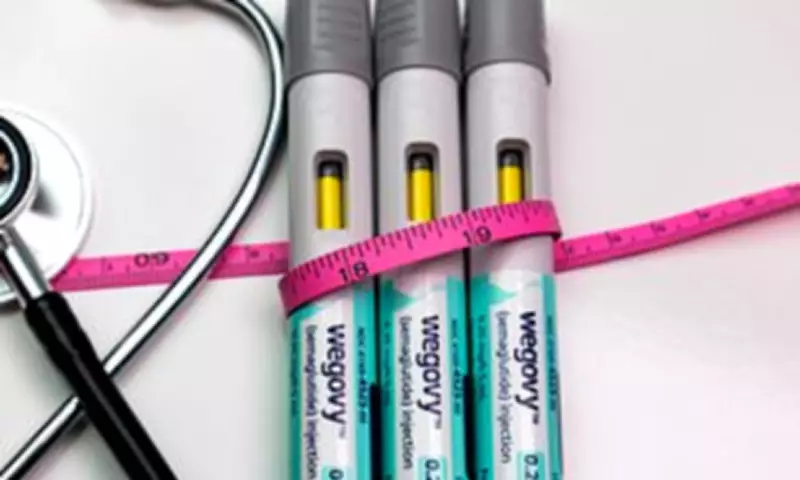
UK Regulators Approve High-Dose Wegovy Pen for Single Weekly Injection
The Medicines and Healthcare products Regulatory Agency (MHRA) has granted approval for a new Wegovy pen that delivers a substantial 7.2mg dose of semaglutide in a single weekly injection. This significant development means that individuals using the weight loss medication will no longer need to administer three separate 2.4mg injections to achieve the maximum maintenance dose. The regulatory body initially approved the higher 7.2mg dosage in January, but this latest ruling specifically authorises the single-dose delivery device.
Streamlined Administration and Enhanced Accessibility
Novo Nordisk, the pharmaceutical company manufacturing Wegovy, is set to introduce the new single-dose devices across the United Kingdom within the next four to six weeks. The innovative device features an automatic dosing mechanism that locks after use, representing a practical advancement in how the highest maintenance dose can be administered. This streamlined approach could potentially make effective weight management more accessible to patients requiring maximum dosage treatment.
Sebnem Avsar Tuna, General Manager at Novo Nordisk, commented on the approval, stating: 'The approval of this new single-dose device provides an additional administration option for people in the UK who are prescribed the 7.2mg once weekly maintenance dose of Wegovy. We welcome the MHRA's decision and will continue to work with healthcare professionals and partners to support its introduction in line with local prescribing arrangements.'

Clinical Evidence Supporting Higher Dosage
The regulatory decision follows compelling results from the STEP UP clinical trial, which demonstrated that adults treated with the stronger 7.2mg dose achieved average weight loss of up to 20.7 percent when combined with a healthy diet and regular exercise regimen. Notably, approximately one-third of participants, all clinically obese with a BMI exceeding 30, achieved weight reduction of 25 percent or more after 72 weeks of treatment. In comparison, those receiving a placebo medication lost merely 1.4 percent of their baseline body weight.
Further analysis indicated that the higher 7.2mg weekly dose could facilitate greater weight loss in individuals who had reached a plateau while on the standard 2.4mg maintenance dose for at least four weeks. Mr Tuna emphasised: 'This approval represents another important step in Novo Nordisk supporting people living with obesity to achieve meaningful and significant weight loss. The addition of a new dose of semaglutide provides healthcare professionals with greater flexibility to tailor treatment for people living with obesity, supporting evidence-based approaches to improve health outcomes.'
Considerations and Cautions Regarding Higher Dosage
Despite the promising clinical results, some obesity specialists have advised patients to exercise caution when considering dose escalation. One expert highlighted concerns, noting: 'Tripling the dose only gives a marginal extra benefit, but the dose increase is massive. Going from 2.4mg to 7.2mg is a very big jump and I'm concerned many patients won't tolerate such a high dose.' The specialist further suggested that uptake might be limited due to cost considerations and potential side effects, adding that the highest dose is already expensive.
Common side effects leading to treatment discontinuation primarily involved gastrointestinal issues such as nausea, particularly occurring during dose escalation from the standard starting dose of 0.25mg up to 7.2mg. The MHRA has emphasised that patients should always use the medication exactly as prescribed and consult their healthcare provider if uncertain about administration.

Regulatory Oversight and Future Availability
Before becoming available through the National Health Service to eligible patients, the new device must undergo a National Institute for Health and Care Excellence (NICE) review to ensure cost-effectiveness. However, the high-dose pen will be accessible via private prescription following its commercial rollout. The MHRA has confirmed it will continue monitoring the safety and effectiveness of Wegovy, as with any pharmaceutical product, and encourages anyone experiencing potential side effects from the stronger dose to report them through the Yellow Card scheme.
Semaglutide, marketed as Ozempic for diabetes management and Wegovy for weight loss, has been widely recognised as a significant advancement in obesity treatment. However, experts have raised concerns regarding supply and demand challenges, suggesting that benefits might diminish once treatment concludes, potentially necessitating lifelong medication for millions of patients.