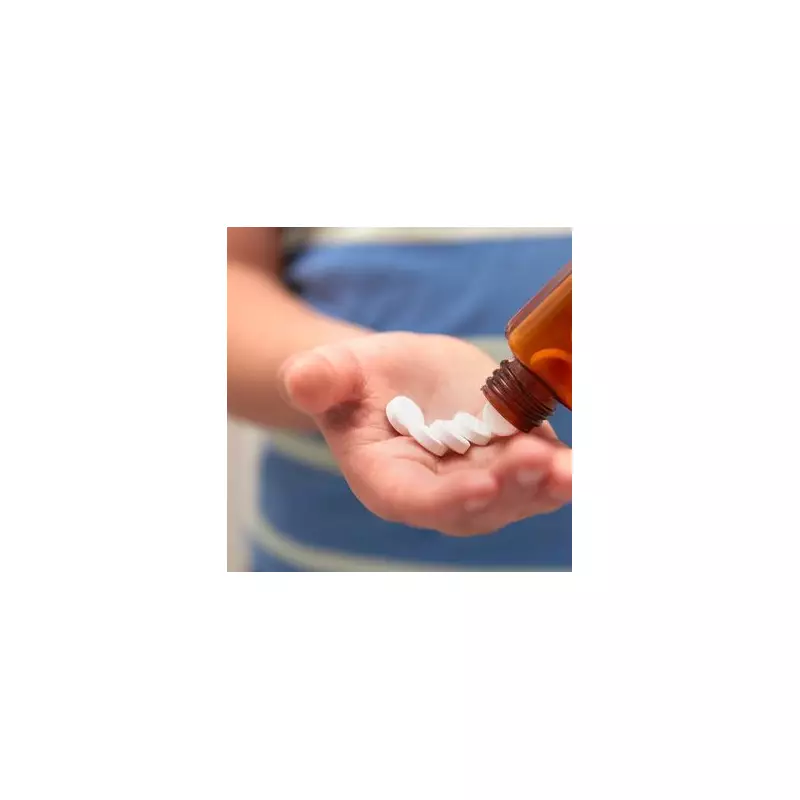
The National Health Service has released crucial guidance for the millions of Britons prescribed the cholesterol-lowering medication Atorvastatin, outlining both common and potentially serious side effects that require immediate action.
Understanding the Risks and Benefits of Statins
Elevated cholesterol levels present a severe threat to cardiovascular health, significantly raising the risk of life-threatening conditions like heart attacks and strokes. The condition leads to a build-up of fatty deposits in the arteries, narrowing these vital blood vessels and restricting blood flow to essential organs. This process can also cause peripheral artery disease (PAD), leading to limb pain, and contribute to high blood pressure and kidney issues.
To combat this, statins are widely prescribed. An estimated 7 to 8 million adults in the UK currently take these drugs, with Atorvastatin being one of the most commonly used high-intensity varieties. While the NHS stresses that most patients tolerate statins well and the benefits in preventing deadly diseases far outweigh the risks for the majority, it has issued specific advice for those experiencing adverse reactions.

Common Side Effects Reported by Patients
The NHS states that more than 1 in 100 people taking Atorvastatin may experience common side effects. These can include feeling sick (nausea) or indigestion, headaches, and nosebleeds. Patients might also report a sore throat, cold-like symptoms such as a runny or blocked nose, constipation, flatulence, or diarrhoea.
"Some side effects may improve after the first few days, as your body gets used to the medicine," the health service notes. Patients adhering to their regimen should typically see a reduction in cholesterol levels within four weeks. The NHS also warns that regularly drinking large amounts of alcohol can increase the risk of side effects and liver problems.
If side effects make a patient consider stopping the medication, they are strongly advised to consult their doctor first. The symptoms may be unrelated to Atorvastatin, and a GP may suggest adjusting the dose or switching to an alternative treatment.
Serious Side Effects Requiring Immediate Action
The NHS guidance highlights specific serious reactions where patients must stop taking Atorvastatin and contact a doctor or call 111 straight away. Key warning signs include:
- Unexplained muscle pain, tenderness, weakness, or cramps – potential signs of muscle breakdown and kidney damage.
- Yellowing of the eyes or skin (which may be less obvious on brown or black skin), pale stools, and dark urine – indicators of liver problems.
- A skin rash with pink or red blotches, especially on palms or soles.
- Severe stomach pain, which could signal acute pancreatitis.
- A persistent cough, shortness of breath, and weight loss, potentially linked to lung disease.
The NHS states that emergency services should be contacted on 999 or patients should go to A&E if they develop severe breathing or swallowing difficulties.
Recognising a Rare Allergic Reaction
In rare instances, a serious allergic reaction (anaphylaxis) to Atorvastatin is possible. Immediate emergency action is required if someone experiences symptoms such as sudden swelling of the lips, mouth, throat or tongue; struggling to breathe or swallow; the skin, tongue or lips turning blue, grey, or pale; or sudden confusion, drowsiness, or loss of consciousness. A swollen, raised, itchy, or blistering rash may also accompany these symptoms.
The NHS also advises patients to be mindful of their diet, specifically noting that drinking more than one litre of grapefruit juice per day can increase the level of Atorvastatin in the blood, thereby heightening the risk of side effects.
This comprehensive update, reported by Chronicle Live, serves as an essential reminder for patients to be vigilant while reinforcing that statins remain a cornerstone in preventing catastrophic cardiovascular events for the vast majority of users.